
In This Article
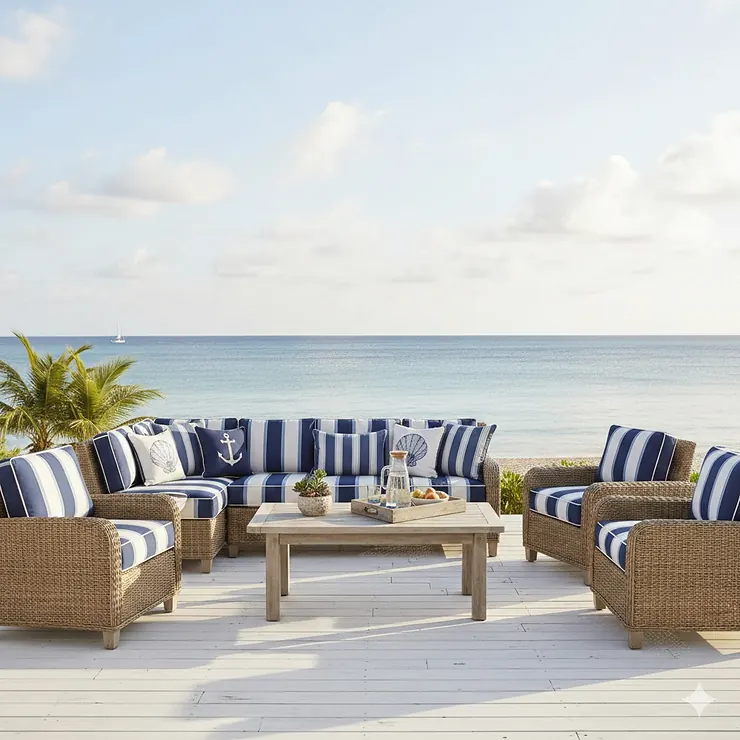
Picture this: you’re sipping your morning coffee, feeling the gentle ocean breeze across your face, surrounded by furniture that perfectly captures that relaxed, beachy vibe. Whether you live steps from the shore or miles inland, the right coastal outdoor furniture can transport you to that dreamy seaside escape every single day.
I’ve spent countless hours researching and analyzing the best options available in 2025, and honestly? The selection has never been better. From weather-resistant wicker that laughs at salt spray to teak pieces that age like fine wine, today’s coastal furniture combines stunning aesthetics with serious durability. The coastal outdoor furniture market has evolved beyond simple plastic chairs, now you’re looking at sophisticated pieces engineered to withstand harsh coastal conditions while maintaining that effortless, breezy charm.
What makes furniture truly “coastal”? It’s that perfect marriage of form and function, pieces that evoke sandy shores and ocean waves while standing up to sun, wind, and moisture. According to furniture material experts, the best coastal pieces utilize materials specifically engineered for harsh outdoor environments, particularly those near saltwater.
Quick Comparison Table
| Product | Material | Price Range | Weight Capacity | Best For |
|---|---|---|---|---|
| EAGLE PEAK Coastal Vista Curved Sofa | PE Wicker/Steel | $600-$800 | 750 lbs total | Modern curved designs |
| BOWERY HILL Coastal Driftwood Set | HDPE Wicker/Aluminum | $900-$1,200 | 300 lbs per chair | Coastal elegance |
| Homall 4-Piece Patio Set | PE Rattan/Steel | $300-$400 | 330 lbs per seat | Budget-conscious buyers |
| Christopher Knight Home Wicker Dining Set | Synthetic Wicker/Wood | $250-$350 | 250 lbs per chair | Dining spaces |
| POLYWOOD Shore Line Adirondack | Recycled HDPE | $350-$450 | 400 lbs | Eco-friendly choice |
| ResinTEAK Folding Adirondack | HDPE Resin | $200-$280 | 350 lbs | Space-saving needs |
| Grand Patio Premium Aluminum Set | Powder-Coated Aluminum | $500-$700 | 300 lbs per piece | Lightweight mobility |
💬 Just one click – help others make better buying decisions too! 😊
Top 7 Coastal Outdoor Furniture Sets: Expert Analysis
1. EAGLE PEAK Coastal Vista Curved Outdoor Wicker Sofa
If you’re after that “wow factor,” this EAGLE PEAK curved sectional delivers in spades. The unique curved design allows you to create stunning half-moon seating arrangements that naturally encourage conversation and connection.
Key Specifications:
- Hand-woven PE rattan over powder-coated steel frame
- 4-inch thick cushions with premium olefin fabric
- Seats 3 comfortably (expandable with additional pieces)
Customer feedback consistently praises the comfort level and weather resistance. One reviewer mentioned keeping theirs uncovered through an entire New England winter without any deterioration. The deep 4-inch cushioning provides luxury-level comfort, while the weather-resistant PE rattan handles coastal humidity beautifully.
✅ Pros:
- Unique curved design creates visual interest
- Exceptional cushion thickness and comfort
- No deformation or cracking reported after extended exposure
❌ Cons:
- Higher price point than traditional straight sofas
- Requires more space due to curved footprint
Price: $600-$800 | Rating: 4.5/5 stars
2. BOWERY HILL Coastal Driftwood Gray Wicker Patio Set
The BOWERY HILL 3-piece set embodies coastal sophistication with its natural driftwood coloring and elegant egg-shaped swivel chairs. This isn’t just furniture, it’s an investment in outdoor luxury that happens to be incredibly practical.
Key Specifications:
- Two-toned driftwood HDPE wicker (fade and stain resistant)
- Rust-resistant powder-coated aluminum frame
- 360-degree swivel lounge chairs
- Open-cell foam technology for faster drying
What really sets this apart is the thoughtful engineering. The open-cell foam cushions actually drain water rather than absorbing it, brilliant for coastal climates where surprise showers are common. Customers rave about the swivel functionality, making it easy to follow the sun or join different conversations.
✅ Pros:
- Premium materials built for longevity
- Swivel functionality adds versatility
- Sophisticated driftwood aesthetic
❌ Cons:
- Premium pricing may exceed some budgets
- Assembly required (though straightforward)
Price: $900-$1,200 | Rating: 4.7/5 stars
3. Homall 4-Pieces Outdoor Patio Furniture Set
Don’t let the budget-friendly price fool you, this Homall set punches well above its weight class. Perfect for those just starting their coastal outdoor journey or furnishing a vacation rental, it offers impressive quality without the premium price tag.
Key Specifications:
- All-weather PE rattan wicker
- High-density sponge cushions with removable, washable covers
- Tempered glass coffee table
- Weight capacity: 330 lbs per seat
Customer reviews highlight the surprising sturdiness and aesthetic appeal for the price point. The set includes two single chairs, one loveseat, and a coffee table, everything you need for a complete conversation area. The zippered cushion covers make maintenance a breeze.
✅ Pros:
- Exceptional value for money
- Complete set ready for immediate use
- Easy-to-clean removable cushion covers
❌ Cons:
- Cushions recommended to be stored during heavy rain
- May not match premium sets in longevity
Price: $300-$400 | Rating: 4.3/5 stars
4. Christopher Knight Home Coastal Outdoor Wicker Dining Chairs
These Christopher Knight Home dining chairs bring that sophisticated coastal restaurant vibe right to your backyard. The hand-woven construction and natural finish create an organic, beachy atmosphere perfect for alfresco dining.
Key Specifications:
- Hand-woven synthetic wicker
- Solid wood frame with teak finish
- Removable cushions for easy maintenance
- Sold in sets of 2
What customers love most is the authentic look that doesn’t sacrifice practicality. The synthetic wicker mimics natural materials beautifully while offering superior weather resistance. According to outdoor furniture durability studies, synthetic wicker consistently outperforms natural materials in coastal environments.
✅ Pros:
- Authentic natural appearance
- Comfortable for extended dining
- Budget-friendly for quality dining chairs
❌ Cons:
- Cushions fade slightly after extended sun exposure
- May require periodic tightening of screws
Price: $250-$350 per pair | Rating: 4.4/5 stars
5. POLYWOOD Shore Line Adirondack Chair
The POLYWOOD Shore Line represents the gold standard in eco-friendly coastal furniture. Made from recycled milk jugs and detergent bottles, this Adirondack proves sustainability doesn’t mean compromising on style or durability.
Key Specifications:
- Genuine POLYWOOD lumber (recycled HDPE)
- UV-protected, fade-resistant teak color
- Marine-grade corrosion-resistant hardware
- Built to withstand coastal winds and salt air
Customers report these chairs looking virtually new even after five years of year-round outdoor exposure. The material won’t splinter, crack, or peel, and requires nothing more than soap and water for cleaning. One reviewer in coastal Florida noted zero deterioration despite daily salt spray exposure.
✅ Pros:
- Environmentally responsible choice
- Virtually maintenance-free
- Exceptional longevity and value
❌ Cons:
- Heavier than traditional plastic Adirondacks
- Limited color selection
Price: $350-$450 | Rating: 4.8/5 stars
6. ResinTEAK Folding Adirondack Chair
The ResinTEAK folding design solves one of the biggest challenges in coastal living: seasonal storage. This chair delivers premium aesthetics with practical space-saving functionality that’s perfect for smaller patios or those who like to rearrange frequently.
Key Specifications:
- Heavy-duty HDPE material with painted wood appearance
- Foldable design for easy storage
- 21-inch wide seat accommodates up to 350 lbs
- Waterproof and crack-resistant
What makes this special is how it doesn’t look like a folding chair when set up. The realistic wood grain texture and robust construction give it a permanent furniture feel. Customers particularly appreciate the quick 25-minute assembly time and the confidence that comes with truly weatherproof materials.
✅ Pros:
- Space-saving foldable design
- Won’t crack or swell with freeze-thaw cycles
- Realistic wood appearance
❌ Cons:
- Slightly narrower than some competitors
- Folding mechanism adds minor weight
Price: $200-$280 | Rating: 4.6/5 stars
7. Grand Patio Premium Aluminum Conversation Set
The Grand Patio aluminum set brings modern sophistication to coastal living. Powder-coated aluminum offers unbeatable rust resistance, making it ideal for homes directly on the waterfront where salt air can destroy lesser materials.
Key Specifications:
- Powder-coated aluminum frames
- Weather-resistant cushions with UV protection
- Lightweight yet sturdy construction
- Modern clean-line design
According to weather-resistant furniture research, powder-coated aluminum ranks among the top materials for humid and coastal environments. Customers love how easy these pieces are to move for cleaning or rearranging, yet they’re stable enough to withstand windy conditions.
✅ Pros:
- Exceptional rust resistance for coastal areas
- Lightweight and easy to rearrange
- Modern aesthetic complements contemporary homes
❌ Cons:
- May require securing in very high wind areas
- Aluminum can feel hot in direct sunlight
Price: $500-$700 | Rating: 4.5/5 stars
✨ Don’t Miss These Exclusive Deals!
🔍 Take your coastal outdoor furniture to the next level with these carefully selected products. Click on any highlighted item to check current pricing and availability. These tools will help you create authentic beach house vibes your family will love!
Understanding Coastal Outdoor Furniture Materials
Let’s talk materials, because this is where coastal furniture really differs from your standard patio pieces. Living near the ocean (or just wanting that coastal aesthetic) means dealing with unique environmental challenges that regular outdoor furniture wasn’t designed to handle.
The Salt Air Challenge
Salt air is brutal on outdoor furniture. It accelerates corrosion on metals, breaks down certain plastics, and can cause wood to deteriorate rapidly. That’s why coastal outdoor furniture uses specially engineered materials. Research from furniture durability experts demonstrates that materials like HDPE wicker, powder-coated aluminum, and marine-grade treated woods significantly outperform standard options in coastal environments.
Top Materials for Coastal Durability
HDPE (High-Density Polyethylene) Wicker dominates the coastal furniture market for good reason. This synthetic material resists fading from UV exposure, won’t absorb moisture, and handles salt spray without breaking down. Unlike natural wicker that requires constant maintenance, HDPE versions maintain their appearance for years with minimal care.
Powder-Coated Aluminum offers the perfect combination of lightweight portability and serious durability. The powder coating creates a protective barrier that prevents rust and corrosion, even in direct contact with salt air. Plus, aluminum won’t get uncomfortably hot like wrought iron can.
Marine-Grade Teak remains the traditional choice for those who prefer natural wood. Teak’s natural oils make it inherently water-resistant and it develops a beautiful silvery patina over time. However, maintaining that golden-brown color requires regular sealing with teak oil.
Recycled Plastic Lumber (like POLYWOOD) represents the newer generation of coastal furniture materials. These eco-friendly options resist moisture, UV damage, and salt air while requiring virtually zero maintenance. They’re essentially the “set it and forget it” option of coastal furniture.
Weather-Resistant Fabric Considerations
Don’t overlook cushion fabrics! Solution-dyed acrylic fabrics (like Sunbrella) resist fading and mildew better than standard outdoor fabrics. The color goes all the way through the fiber, so even if the surface wears, the color remains consistent. Quick-drying foam inserts prevent that soggy cushion problem that plagues cheaper options.
How to Choose the Perfect Coastal Outdoor Furniture
Choosing coastal outdoor furniture isn’t just about picking pieces that look beachy, it’s about creating a functional outdoor living space that enhances your lifestyle while standing up to environmental challenges.
Assess Your Space and Layout
Start by measuring your outdoor area. I mean actually measuring with a tape measure, not just eyeballing it. Consider traffic flow patterns, how much space you need around dining tables for chairs to pull out comfortably, and whether you need modular pieces that can be rearranged.
Think about sun exposure throughout the day. That gorgeous sectional might seem perfect until you realize it sits in full afternoon sun, making it too hot to use during prime relaxation hours. Plan for shade structures or choose lighter-colored materials that don’t absorb as much heat.
Match Furniture to Your Usage Patterns
Are you a serial entertainer who hosts beach cookouts every weekend? You’ll need durable dining sets and ample seating. More of a quiet morning coffee on the deck person? Comfortable lounge chairs and a side table might be perfect.
Consider how you’ll actually use each piece. Those deep-seated sofas look amazing in photos, but if you struggle to get in and out of low furniture, you’ll end up frustrated rather than relaxed. Test heights and depths when possible.
Budget Wisely for Long-Term Value
Here’s the truth: coastal outdoor furniture is an investment. Cheaper pieces might save money upfront, but replacing them every few years costs more than buying quality initially. According to outdoor furniture material comparisons, premium materials can last 15-20 years versus 3-5 years for budget options.
That said, you don’t need to furnish everything at once. Start with essential pieces (seating for your typical group size, basic dining if you entertain outdoors) and add specialty items over time.
Color and Style Coordination
Coastal doesn’t mean everything has to be white and blue (though those are classic choices). Modern coastal embraces natural woods, soft grays, sandy beiges, and even bolder coral or turquoise accents. The key is creating that relaxed, beachy vibe whether through color, material texture, or furniture silhouette.
Mixed materials work beautifully in coastal settings. A teak dining table with wicker chairs, or aluminum lounge frames with natural rope details, create visual interest while maintaining cohesive style.
Maintenance Tips for Coastal Outdoor Furniture
Even the most durable coastal outdoor furniture benefits from proper care. The good news? Most modern materials require surprisingly little maintenance compared to traditional outdoor furniture.
Regular Cleaning Schedule
Most coastal furniture needs just monthly cleaning with mild soap and water. Use a soft brush for textured surfaces like wicker, and rinse thoroughly to remove any soap residue and salt deposits. For aluminum and HDPE materials, this simple routine is usually sufficient year-round.
Wood furniture requires more attention. Teak should be cleaned twice yearly with specialized teak cleaner, and if you want to maintain the golden color (rather than letting it develop a natural gray patina), apply teak oil seasonally.
Cushion and Fabric Care
Remove cushions during heavy rain or extended periods of non-use. Even weather-resistant fabrics perform better with some protection from the elements. Store cushions in deck boxes or bring them indoors during off-season months.
Most cushion covers are removable and machine washable. Check manufacturer instructions, but generally cold water with mild detergent works best. Air dry rather than using a dryer to prevent shrinkage.
Seasonal Protection
If you live in an area with harsh winters, consider covering or storing your furniture. While many coastal pieces can handle winter weather, protection extends their lifespan significantly. Breathable furniture covers prevent moisture buildup while shielding from snow and ice.
For permanent outdoor placement, ensure good drainage. Don’t let water pool on table surfaces or in chair seats. Slight tilts or drainage holes prevent water accumulation that can damage even resistant materials over time.
Quick Fixes and Touch-Ups
Keep some matching touch-up paint for aluminum pieces. Minor scratches can expose bare metal to salt air, so addressing them quickly prevents rust spots from developing. For wicker, check connections annually and tighten any loosened weaving.
Inspect hardware (bolts, screws, connection points) seasonally, especially on pieces exposed to salt air. Replace any corroded hardware with stainless steel or other marine-grade options.
Styling Your Coastal Outdoor Living Space
Creating a cohesive coastal outdoor environment goes beyond just selecting furniture, it’s about crafting an atmosphere that evokes seaside tranquility.
Layering Textures and Materials
The most successful coastal spaces layer different textures to create depth and interest. Combine smooth teak with rough-hewn rope, sleek aluminum with soft cushions, weathered wood with crisp white fabrics. This textural variety mimics the natural coastal environment where smooth sand meets rough driftwood.
Natural fiber elements like jute rugs, sisal rope details, and bamboo accents reinforce the coastal theme without feeling clichéd. These materials also happen to be naturally weather-resistant, making them practical choices for outdoor use.
Creating Zones for Different Activities
Divide your outdoor space into distinct zones: dining, lounging, conversation areas. Use furniture arrangement, outdoor rugs, or even changes in flooring material to define these spaces visually. This creates a more intentional, designed feel rather than just scattering furniture randomly.
A dedicated dining area with a substantial table and comfortable chairs encourages alfresco meals. A separate lounging zone with deep-seated sofas or Adirondack chairs creates space for relaxation without interfering with other activities.
Incorporating Coastal Accessories
Accessories complete the coastal look without overwhelming the space. Think hurricane lanterns, driftwood sculptures, coral accents, or nautical rope details. But here’s the key: edit ruthlessly. A few carefully chosen pieces create atmosphere; too many venture into tacky souvenir shop territory.
Plants play a huge role in coastal styling. According to coastal design principles, incorporating native coastal vegetation and drought-resistant plants creates authentic connection to the environment while requiring minimal maintenance.
Lighting for Ambiance
Don’t underestimate lighting’s impact on coastal outdoor spaces. String lights create magical ambiance for evening gatherings. Solar-powered pathway lights guide movement while adding gentle illumination. Lanterns and candles (in hurricane glasses for wind protection) provide intimate lighting for dining areas.
Consider varying light heights, some overhead, some at table level, some ground-level, to create a layered, dimensional lighting scheme that’s both functional and atmospheric.
Coastal Outdoor Furniture for Different Climates
Not all coastal areas share the same climate challenges. Your furniture needs vary dramatically depending on whether you’re facing humid tropical conditions, dry arid coastal zones, or temperate maritime climates.
Humid Tropical Coastal Regions
If you’re in Florida, Hawaii, or similar humid coastal areas, moisture management becomes critical. Furniture must resist mold, mildew, and moisture absorption. HDPE materials excel here because they’re completely non-porous. Open-weave designs allow airflow, preventing moisture buildup in cushions and upholstery.
Avoid solid wood in tropical coastal areas unless you’re committed to intensive maintenance. Even treated teak requires more care in consistently humid conditions. Aluminum and synthetic materials perform far better with minimal upkeep.
Dry Arid Coastal Areas
Southern California and similar dry coastal climates present different challenges. Intense UV exposure causes fading and material breakdown. Here, UV-stabilized materials and fade-resistant fabrics become essential. Powder-coated finishes on metal furniture prevent sun damage while maintaining appearance.
Temperature extremes matter too. Materials that don’t conduct heat (like HDPE) stay comfortable to touch even in direct sun. Metal furniture might need cushions or towels to prevent burns during peak heat.
Temperate Maritime Climates
Pacific Northwest or New England coastal areas deal with cool, damp conditions and seasonal temperature swings. Furniture here needs to handle freeze-thaw cycles without cracking. Materials like POLYWOOD and aluminum work perfectly, as they won’t swell, crack, or warp with moisture and temperature changes.
Consider wind resistance in these areas. Lighter furniture might need securing or weighted bases to prevent blowing around during coastal storms.
Salt Spray Intensity
Distance from the ocean dramatically affects furniture needs. Direct beachfront properties experience intense salt spray that accelerates corrosion and material breakdown. Here, marine-grade materials aren’t optional, they’re essential. Even “coastal outdoor furniture” designed for areas a few miles inland may not withstand direct oceanfront conditions.
Rinse furniture regularly if you’re directly on the beach. A quick spray with fresh water after windy days helps remove salt deposits before they cause damage.
Eco-Friendly Coastal Outdoor Furniture Options
Sustainability matters, especially in coastal areas where we’re intimately connected to ocean health and environmental preservation. Fortunately, some of the most durable coastal furniture options also happen to be environmentally friendly.
Recycled Plastic Lumber Benefits
POLYWOOD and similar recycled plastic lumber products divert millions of pounds of plastic waste from landfills and oceans. These materials transform milk jugs, detergent bottles, and other HDPE plastics into durable furniture that lasts decades. Unlike virgin plastic, recycled options don’t require new petroleum products, significantly reducing environmental impact.
The longevity factor multiplies environmental benefits. Furniture lasting 20+ years means fewer replacements, less manufacturing energy, and reduced waste generation over time.
Sustainably Sourced Wood
If you prefer natural wood, seek FSC (Forest Stewardship Council) certified teak or other hardwoods. This certification ensures wood comes from responsibly managed forests where trees are replanted and ecosystems protected. Many manufacturers now clearly label sustainable sourcing practices.
Reclaimed wood furniture offers another eco-friendly option. Salvaged materials from old buildings or boats carry unique character and history while preventing usable wood from entering landfills.
Aluminum’s Recyclability Advantage
Aluminum rates as one of the most recyclable materials on Earth. Unlike plastic, which degrades with each recycling cycle, aluminum can be infinitely recycled without losing quality. Many aluminum furniture manufacturers use high percentages of recycled content, and at end-of-life, the furniture itself can be fully recycled.
Responsible Manufacturing Practices
Look beyond materials to manufacturing processes. Companies producing furniture domestically often have stricter environmental regulations than overseas manufacturers. Some brands offset carbon emissions from production and shipping, or use solar power in facilities.
Durability itself is an environmental statement. According to research on sustainable outdoor furniture materials, choosing long-lasting materials over cheaper alternatives that require frequent replacement dramatically reduces overall environmental impact.
Coastal Outdoor Furniture vs Traditional Patio Furniture
Understanding the differences between coastal outdoor furniture and standard patio pieces helps justify the investment and ensures you’re getting what you actually need.
| Feature | Coastal Outdoor Furniture | Traditional Patio Furniture |
|---|---|---|
| Material Selection | Marine-grade, salt-resistant materials | Standard outdoor-rated materials |
| UV Protection | Enhanced UV stabilization | Basic UV resistance |
| Moisture Resistance | Non-porous, quick-drying materials | May absorb moisture |
| Hardware | Stainless steel, corrosion-resistant | Standard galvanized or coated |
| Fabric Treatment | Solution-dyed, mildew-resistant | Standard outdoor fabric |
| Price Point | Premium ($200-$2,000+) | Budget to mid-range ($50-$800) |
| Lifespan | 15-25+ years | 5-10 years |
| Maintenance | Minimal, mostly cleaning | Varies, often requires more care |
Enhanced Durability Standards
Coastal outdoor furniture undergoes stricter testing for salt spray resistance, UV exposure, and moisture penetration. Manufacturers design these pieces specifically for harsh marine environments, not just general outdoor use. This specialized engineering translates to superior performance even in non-coastal settings.
Investment Value Over Time
Yes, coastal furniture costs more upfront. But when you factor in replacement costs for traditional patio furniture every few years, the math changes dramatically. Quality coastal pieces often cost less over their lifetime than repeatedly replacing cheaper alternatives.
Aesthetic Differences
Coastal furniture embraces lighter colors, natural materials, and relaxed silhouettes that standard patio furniture might not prioritize. While you can find coastal-styled traditional furniture, true coastal pieces integrate form and function seamlessly.
When Traditional Furniture Works Fine
Not every outdoor space needs premium coastal furniture. Protected covered patios far from the ocean might do perfectly well with standard outdoor pieces. If your furniture receives minimal sun and weather exposure, investing in coastal-specific materials may not be necessary.
Budget-Friendly Coastal Outdoor Furniture Strategies
Creating a beautiful coastal outdoor space doesn’t require depleting your savings account. Strategic planning and smart shopping can achieve the coastal look you want while respecting your budget.
Start Small, Build Over Time
Rather than furnishing everything at once with budget pieces you’ll replace quickly, invest in a few quality foundational pieces first. A great seating set or dining table anchors your space, and you can add accent pieces, side tables, and accessories gradually.
Mix Price Points Strategically
Combine investment pieces in high-traffic areas with more budget-friendly options for less-used spaces. For example, spend more on primary seating where you’ll spend hours daily, but save on occasional chairs used only when entertaining.
Shop End-of-Season Sales
Many retailers deeply discount outdoor furniture in late summer and early fall as they make room for seasonal inventory. If you can plan ahead and purchase during these clearance periods, you’ll score significant savings on quality pieces.
Consider Gently Used Options
High-quality coastal furniture lasts so long that secondhand markets offer excellent options. Estate sales, Craigslist, and Facebook Marketplace often feature barely-used premium pieces at fraction-of-retail prices. Look for pieces from top manufacturers with minor cosmetic issues you can easily address.
DIY Upgrades and Refinishing
Purchase solid but dated pieces and update them yourself. A fresh coat of marine-grade paint or new cushions can completely transform older furniture at minimal cost. The bones of quality furniture remain strong even when aesthetics have faded.
Focus on Versatile Pieces
Furniture that serves multiple purposes provides better value. Ottomans with storage, dining tables that extend for entertaining, or modular sectionals you can rearrange offer flexibility that justifies higher per-piece costs.
Common Coastal Outdoor Furniture Mistakes to Avoid
Learning from others’ mistakes saves time, money, and frustration. Here are the most common pitfalls I’ve seen people encounter when furnishing coastal outdoor spaces.
Mistake 1: Prioritizing Aesthetics Over Durability
That gorgeous natural wicker peacock chair might photograph beautifully, but if it disintegrates after one season in coastal weather, it’s a expensive decoration not functional furniture. Always verify material specifications before purchasing based solely on appearance.
Mistake 2: Ignoring Scale and Proportion
Furniture that looked perfect in the showroom can overwhelm or underwhelm your actual space. Oversized pieces make small patios feel cramped, while furniture too small for large decks looks lost and awkward. Measure carefully and consider scale in relation to your specific area.
Mistake 3: Forgetting Storage Solutions
Even weather-resistant furniture benefits from cushion and accessory storage. Plan for deck boxes or storage benches where you can protect removable elements during storms or off-season. Leaving everything exposed 24/7 accelerates wear regardless of material quality.
Mistake 4: Skimping on UV Protection
Those vibrant cushions will fade to sad, washed-out versions within a season without proper UV-resistant fabric. Verify fabrics are solution-dyed or specifically rated for outdoor UV exposure. This applies to umbrellas and shade elements too.
Mistake 5: Not Planning for Wind
Coastal areas experience wind. Light furniture blows around, cushions become airborne projectiles, and umbrellas turn inside-out or take flight. Choose heavier furniture, secure lightweight pieces, invest in weighted bases, and use ties or clips for cushions.
Mistake 6: Overlooking Drainage
Water pooling on furniture surfaces leads to mildew, staining, and material breakdown even on weather-resistant pieces. Ensure furniture designs include drainage holes, tilted surfaces that shed water, or you create proper positioning for natural runoff.
Mistake 7: Insufficient Seating for Entertaining
Underestimating how much seating you’ll actually need leads to scrambling for extra chairs every time guests visit. Plan for your typical entertainment size plus a few extra seats. Stackable or folding chairs stored nearby provide flexibility without permanently crowding your space.
Frequently Asked Questions
❓ What is the most weather-resistant material for coastal outdoor furniture?
❓ How often should I clean my coastal outdoor furniture?
❓ Can I leave coastal outdoor furniture uncovered year-round?
❓ What's the difference between coastal and nautical outdoor furniture?
❓ How long does quality coastal outdoor furniture typically last?
Conclusion: Creating Your Perfect Coastal Retreat
Investing in quality coastal outdoor furniture transforms more than just your patio, it creates a lifestyle. Whether you’re watching sunrises with morning coffee or hosting sunset gatherings with friends, the right furniture makes your outdoor space an extension of your home you’ll actually use and love.
The key takeaways? Prioritize materials engineered for coastal conditions (HDPE wicker, powder-coated aluminum, marine-grade teak, or recycled plastic lumber). Consider your specific climate challenges, invest in quality over quantity, and don’t forget proper maintenance even for weather-resistant pieces.
Start with essential pieces that match your usage patterns, then build out your coastal paradise over time. Remember that the best coastal outdoor furniture investment is one you’ll enjoy for decades, not replace in a few seasons.
Ready to transform your outdoor space into that dreamy coastal retreat you’ve been envisioning? Start with one of the top-rated sets from our expert analysis, and build from there. Your future self, relaxing in comfort while enjoying ocean breezes (real or imagined), will thank you for choosing quality that lasts.
Recommended for You
- 7 Best Mid Century Modern Outdoor Furniture Picks 2025
- 7 Best Concrete Outdoor Furniture Pieces for Lasting Style in 2025
- 7 Best Composite Furniture Outdoor That Last 20+ Years 2025
Disclaimer: This article contains affiliate links. If you purchase products through these links, we may earn a small commission at no additional cost to you.
✨ Found this helpful? Share it with your friends! 💬🤗
