
In This Article
Living in a small apartment or studio doesn’t mean sacrificing comfort or style anymore. I remember the first time I moved into my 350-square-foot New York studio—I couldn’t fit both a bed and a sofa, and sleeping on the floor wasn’t exactly my idea of adulting. That’s when I discovered the magic of sleeper sofas for small spaces, and let me tell you, it changed everything.
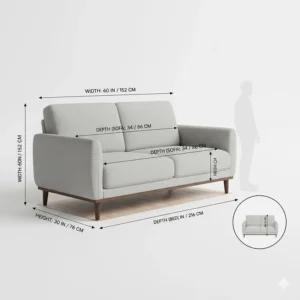
The sleeper sofa for small spaces has evolved dramatically from those clunky, uncomfortable pull-out couches your grandma had in her basement. Today’s models are sleek, stylish, and surprisingly comfortable—both for sitting during the day and sleeping at night. Whether you’re furnishing a studio apartment, creating a guest room in a home office, or simply maximizing every square inch of your living space, these convertible design marvels offer the perfect solution.
According to research from California State University, multifunctional furniture has become essential for modern living as urban spaces continue to shrink and housing costs rise. The small sleeper sofa market has responded brilliantly, offering apartment size sleeper sofa options that don’t compromise on comfort or aesthetics. From twin sleeper sofa models perfect for solo dwellers to innovative convertible designs that transform in seconds, there’s never been a better time to embrace space-saving furniture.
Quick Comparison Table
| Product | Size | Price Range | Best For | Rating |
|---|---|---|---|---|
| Novogratz Brittany Loveseat | 74.5″L x 32.5″W | $400-$600 | Modern style seekers | 4.3/5 |
| DHP Emily Futon | 71″L x 34″W | $250-$350 | Budget-conscious buyers | 4.2/5 |
| Zinus Quinn Sleeper | 66.1″L x 33.1″W | $300-$450 | Quick assembly lovers | 4.4/5 |
| HONBAY Modular Sectional | 80″L (configurable) | $350-$500 | Flexible configurations | 4.1/5 |
| Mjkone Twin Sleeper | 43″W compact | $180-$250 | Ultra-small spaces | 4.0/5 |
| BALUS Twin Pull-Out | 38″W mini size | $170-$230 | Studio apartments | 3.9/5 |
| Serta Trinity Convertible | 66.1″L full size | $700-$900 | Premium comfort | 4.7/5 |
💬 Just one click – help others make better buying decisions too! 😊
Top 7 Sleeper Sofas for Small Spaces: Expert Analysis
1. Novogratz Brittany Loveseat Sleeper Sofa – Best Overall Design
For those who want stunning mid-century modern aesthetics without sacrificing functionality, the Novogratz Brittany Loveseat Sleeper Sofa sits at the top of my recommendations. This small sleeper sofa features ribbed channel tufting, curved armrests, and solid wood legs that scream sophistication.
Key Specifications:
- Sofa dimensions: 74.5″L x 32.5″W x 35.5″H
- Bed dimensions: 87″L x 74.5″W (Queen size)
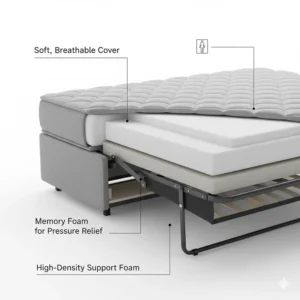
- Memory foam mattress included (3″ thick)
- 120 independently encased coils in seat cushions
- Weight capacity: 600 lbs
The apartment size sleeper sofa pulls out smoothly thanks to its simple mechanism, revealing a genuine CertiPUR-US certified memory foam mattress—not just foam cushions like cheaper models. Customer Maria from Charleston notes, “I was skeptical about the comfort level, but this actually contours to your body. My guests never complain about back pain.”
Price Range: $400-$600 depending on fabric choice (linen, faux leather, corduroy available)
✅ Pros:
- Premium memory foam mattress
- Gorgeous mid-century aesthetics
- Multiple color options
- Excellent weight capacity
❌ Cons:
- Heavier than budget options (assembly requires 2 people)
- Higher price point
This twin sleeper sofa alternative offers queen-size sleeping space, making it perfect for couples or anyone who wants generous guest accommodations without dominating their living room.
2. DHP Emily Futon – Best Budget-Friendly Option
If your wallet is feeling light but your space-saving needs are real, the DHP Emily Futon delivers impressive value. At under $300, this convertible design features tufted upholstery and sleek chrome legs that punch way above their price point.
Key Specifications:
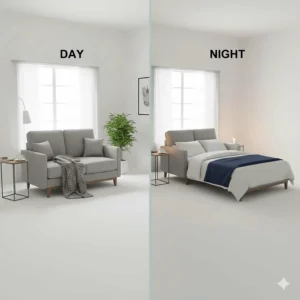
- Dimensions: 71″L x 34″W x 32″H (sofa mode)
- Sleeping dimensions: 71″L x 43″W x 16″H
- Split-back click-clack mechanism
- Available in linen, faux leather, and velvet
- Weight limit: 600 lbs
The split-back design means you and a friend can each adjust your side independently—brilliant for movie marathons when someone wants to recline and someone wants to sit upright. One reviewer enthusiastically shared, “Assembly took me literally 15 minutes solo. The instructions were crystal clear, and the chrome legs just screw on. No Allen wrenches required!”
Price Range: $250-$350
✅ Pros:
- Incredibly affordable
- Quick 15-minute assembly
- Multiple fabric choices
- Easy to clean materials
❌ Cons:
- Firmer than premium options
- No actual mattress (converts flat)
For first apartments or dorm rooms, this small sleeper sofa can’t be beaten. The DHP Emily has earned over 10,000+ five-star reviews on Amazon for good reason.
3. Zinus Quinn Convertible Sleeper Sofa – Best for Quick Assembly
The Zinus Quinn Sleeper Sofa understands that nobody wants to spend their Saturday wrestling with furniture instructions. This studio apartment favorite assembles in just 15 minutes and offers three different recline positions for ultimate versatility.
Key Specifications:
- Upright: 29.5″W x 33.1″D x 66.1″H
- Flat position: 37.6″W x 66.1″D x 15″H
- 7-inch cushion with HD foam and steel springs
- Protective metal plates on joints (safety feature)
- Dark grey channel-tufted upholstery
What sets this apart is the safety engineering—protective metal plates cover the seat joints, preventing finger injuries during adjustment. If you have kids or pets, this thoughtful detail matters. The wide channel tufting gives it a contemporary look that complements modern and minimalist decor effortlessly.
Price Range: $300-$450
✅ Pros:
- 15-minute setup time
- Safety features for families
- Contemporary styling
- Lightweight yet durable
❌ Cons:
- Limited color options
- Cushion may feel firm initially
Customer feedback consistently praises the Quinn for being “exactly as advertised”—a rarity in online furniture shopping. The 400-lb weight capacity handles two adults comfortably.
4. HONBAY Modular Sectional Sleeper – Best for Flexibility
For those who like options, the HONBAY Modular Sectional Sleeper offers unmatched configuration flexibility. This apartment size sleeper sofa features a reversible chaise that you can position on either side, plus storage compartments hidden beneath the seats.
Key Specifications:
- L-shaped configuration: approximately 80″L x 58″D
- Modular pieces can be rearranged
- Storage under seats
- Reversible chaise design
- Linen or corduroy fabric options
The genius of this convertible design lies in its modularity—you can reconfigure it as your space needs change. Moving to a new apartment with a different layout? No problem. Want to switch the chaise from left to right? Takes 5 minutes. The storage compartments swallow blankets, pillows, or whatever clutter you need to hide when guests arrive unexpectedly.
Price Range: $350-$500
✅ Pros:
- Highly customizable layout
- Hidden storage compartments
- Reversible chaise
- Removable, washable covers
❌ Cons:
- Requires more floor space than single-piece options
- Assembly more complex due to multiple pieces
Based on recent sales data, the HONBAY typically sells for around $287 during promotional periods—an absolute steal for modular furniture. One verified buyer noted, “I’ve rearranged this thing five times in two years. It’s perfect for renters who move frequently.”
5. Mjkone 43″ Twin Size Pull-Out Sofa – Best for Ultra-Compact Spaces
When every inch counts, the Mjkone Twin Size Pull-Out Sofa becomes your space-saving hero. At just 43 inches wide, this twin sleeper sofa fits spaces that would laugh at traditional furniture.
Key Specifications:
- Compact 43″W dimensions
- Linen fabric upholstery
- Pull-out bed mechanism
- High-density sponge cushioning
- Weight capacity: 300-400 lbs
This small sleeper sofa uses a simple pull-out design rather than complex mechanisms—you literally pull the seat forward to reveal the sleeping surface. The linen fabric resists static electricity (a godsend in dry climates), and the breathable foam layer keeps you cool throughout the night. One college student raved, “This fits perfectly in my 10×12 dorm room. I can actually have friends over now!”
Price Range: $180-$250
✅ Pros:
- Ultra-compact footprint
- Affordable pricing
- Easy cleaning (wipe with damp cloth)
- No complex mechanisms to break
❌ Cons:
- Best for single sleepers only
- Minimal back support when sitting
For studio apartment dwellers or anyone furnishing a truly tiny space, Mjkone proves that good things come in small packages. The double iron frame reinforcement ensures stability despite the compact size.
6. BALUS 38″ Twin Pull-Out Sleeper – Best Mini Sleeper
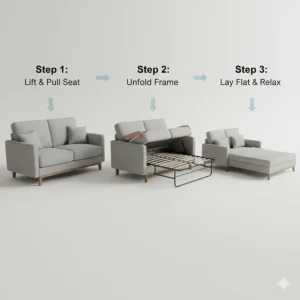
Even smaller than the Mjkone, the BALUS Twin Pull-Out Sleeper at 38 inches wide might be the most space-efficient convertible design on the market. This studio apartment specialist transforms from armless loveseat to twin bed in seconds.
Key Specifications:
- Ultra-compact 38″W x 33″D
- Armless design for space efficiency
- Skin-friendly linen fabric
- Memory foam cushioning
- 3.9″ foldable mattress included
The armless design is intentional—it allows the BALUS to tuck into corners or against walls without wasting space. The memory foam cushioning provides decent support, though some heavier users report wanting extra padding. As one New York City dweller put it, “In a 200-square-foot apartment, this is literally the only sleeper sofa that fit through my door AND worked in my space.”
Price Range: $170-$230
✅ Pros:
- Absolute smallest footprint
- Affordable entry price
- Simple pull-out mechanism
- Perfect for extreme space constraints
❌ Cons:
- Weight limit lower (300 lbs)
- Not suitable for couples
- Armless design not for everyone
If you’re working with a closet-sized room or need occasional seating that disappears when not needed, the BALUS delivers. It’s particularly popular with young professionals in expensive urban markets where square footage costs a premium.
7. Serta Trinity 66.1″ Convertible Loveseat – Best Premium Choice
For those willing to invest in long-term comfort, the Serta Trinity Convertible Loveseat represents the premium end of small sleeper sofas. Serta brings their mattress expertise to furniture, and it shows in every detail.
Key Specifications:
- 66.1″L x 37.6″D full-size sleeping surface
- DreamCoil comfort technology
- Three-angle backrest (upright, 135°, flat)
- Pull-out extension underneath
- Woven polyester upholstery
The DreamCoil system uses pocket coils similar to high-end mattresses, providing support that cheap foam simply can’t match. The three-angle backrest lets you find the perfect lounging position—at 135°, it’s incredibly comfortable for reading or watching TV. One reviewer who assembled it solo noted, “Yes, it’s heavy, but the quality is immediately obvious. This is real furniture, not college dorm stuff.”
Price Range: $700-$900
✅ Pros:
- Premium mattress-level comfort
- Three adjustable positions
- Firm yet comfortable cushions
- Durable construction for years of use
❌ Cons:
- Highest price point
- Heavy (requires 2 people for delivery/assembly)
- Limited color options
Customer satisfaction ratings consistently hit 4.7 out of 5 stars—exceptional for furniture. The Trinity is an investment piece for those who plan to use their sleeper sofa for small spaces frequently and want to prioritize comfort.
What Is a Sleeper Sofa for Small Spaces?
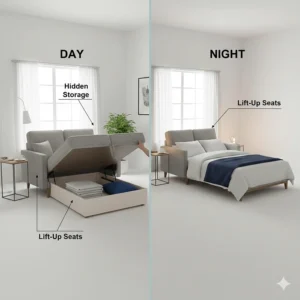
A sleeper sofa for small spaces is a dual-purpose furniture piece that functions as both a comfortable sofa during the day and a bed at night. Unlike traditional sleeper sofas with heavy metal frames and spring mechanisms, modern small sleeper sofas use innovative designs like folding mattresses, pull-out platforms, or click-clack systems to transform quickly and easily. These apartment size sleeper sofa options typically measure under 75 inches in length and are specifically engineered to fit tight spaces while providing adequate sleeping surfaces—making them essential for studio apartments, small guest rooms, or any situation where square footage is at a premium…
Understanding Convertible Design Technology
The convertible design landscape has evolved dramatically since the days of creaky pull-out mechanisms. Today’s technology focuses on simplicity, durability, and user experience. Let’s break down the main systems you’ll encounter:
Click-Clack Mechanisms operate through a split-back design where each section can independently adjust to different angles. You physically push or pull the backrest into position, and it “clicks” into place—hence the name. These systems, popularized by brands like DHP, require no complex hardware and rarely malfunction because there’s simply less to break.
Pull-Out Platforms hide a secondary sleeping surface beneath the main seat cushion. You pull the seat forward, revealing a flat surface that expands the sleeping area. The Mjkone and BALUS models exemplify this approach, offering simplicity that college students and first-time furniture buyers appreciate.
Wall-Hugging Technology, featured in premium options like the Serta models, allows the sofa to convert without being pulled away from the wall. The mechanism slides components forward rather than backward, saving precious floor space—critical in studio apartments where every inch matters.
Modular Systems like HONBAY use separate pieces that can be rearranged or reconfigured entirely. While not traditional “sleeper sofas,” these flexible designs create sleeping surfaces by repositioning or flattening multiple components.
Research published in engineering journals demonstrates that multifunctional furniture significantly improves quality of life in small spaces by reducing clutter and maximizing floor space utilization. The psychological benefits extend beyond mere functionality—residents report feeling less stressed and more in control of their environment when furniture serves multiple purposes efficiently.
How to Choose the Perfect Twin Sleeper Sofa
Selecting the right twin sleeper sofa (or any small sleeper sofa) requires balancing multiple factors. Here’s your strategic approach:
1. Measure Everything Precisely
Before you even browse, grab a tape measure. Record your room’s length, width, and height. Then measure doorways, hallways, and any tight corners the sofa must navigate during delivery. I learned this lesson the hard way when a “perfect” sofa got stuck in my apartment building’s stairwell. Measure twice, buy once—or risk an expensive return.
2. Determine Your Primary Use Case
Will this be a daily sleeping surface or occasional guest bed? Daily sleepers need premium mattresses and durable mechanisms. Occasional use can tolerate budget-friendly options. Be honest about frequency—upgrading from a $200 model to a $500 one makes financial sense if you’ll use it 200+ nights per year.
3. Test the Conversion Mechanism (If Possible)
Visit showrooms when possible to physically operate the conversion mechanism. It should feel smooth, require reasonable strength (not Herculean effort), and click or lock into place securely. If buying online, read reviews specifically mentioning mechanism durability and ease of use.
4. Consider Weight Capacity Honestly
Most small sleeper sofas list weight capacities between 300-600 pounds. Consider not just sleeping weight but also dynamic forces from sitting, bouncing, or multiple people using it simultaneously. Budget an extra 100 pounds beyond your apparent need for long-term durability.
5. Prioritize Comfort for Your Body Type
Firmer mattresses suit stomach and back sleepers, while side sleepers typically prefer softer surfaces that cushion shoulders and hips. Read reviews from people with similar body types and sleeping preferences. One person’s “perfectly firm” is another’s “painfully hard.”
6. Evaluate Fabric Durability and Maintenance
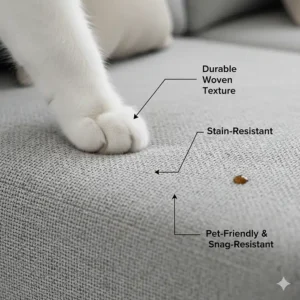
Linen looks beautiful but requires more care than faux leather or corduroy. Families with pets or children should prioritize wipeable, stain-resistant fabrics. Removable, washable covers (like HONBAY offers) provide the best of both worlds—attractive fabrics with practical cleaning options.
7. Calculate True Cost Including Assembly and Accessories
That $200 sofa becomes $280 after assembly fees and mandatory pillow purchases. Factor in waterproof mattress protectors, extra pillows, and any tools needed for setup. Some manufacturers ship fully assembled; others require significant DIY effort.
Studio Apartment Space Planning Strategies
Maximizing a studio apartment demands strategic thinking beyond just buying furniture. The relationship between furniture and space planning has been extensively studied by interior design institutions, which emphasize that proper placement can make even 300-square-foot spaces feel surprisingly spacious.
Create Distinct Zones Without Walls
Use your apartment size sleeper sofa to define your “living room” zone. Position it perpendicular to your sleeping area (if separate) or use area rugs to visually separate spaces. Lighting also creates psychological boundaries—overhead lights for the kitchen zone, floor lamps for the living area, bedside lights for sleeping spaces.
Embrace Vertical Storage Solutions
When horizontal space is limited, build upward. Wall-mounted shelves, tall bookcases, and vertical storage systems keep floors clear. This makes your small sleeper sofa the horizontal centerpiece while walls handle storage duties. Studies show that utilizing vertical space reduces feelings of clutter by up to 40%.
Choose Multi-Functional Everything
Beyond your sleeper sofa, opt for ottomans with storage, coffee tables with lift-tops, and bed frames with drawers. Each piece should earn its place by serving at least two purposes. This principle, called “functional density,” is crucial in spaces under 500 square feet.
Maintain Clear Pathways
Design experts recommend maintaining at least 30 inches of clear pathway throughout your apartment. This ensures movement doesn’t feel constrained and reduces accidental bumping into furniture. Position your twin sleeper sofa or larger model with walkways in mind.
Use Light Colors and Mirrors Strategically
Light-colored walls and furniture reflect light, making spaces feel larger. Mirrors create the illusion of depth—position one opposite a window to effectively double your natural light. Many successful studio layouts incorporate a large mirror behind or near the sleeper sofa to expand the visual space dramatically.
Maintenance and Longevity Tips
Daily and Weekly Care
Vacuum upholstery weekly using the brush attachment to prevent dirt embedding in fabrics. Rotate cushions monthly to ensure even wear. For linen fabrics, use a fabric brush to maintain texture. Wipe faux leather with a barely damp cloth—never soaking wet, which can damage the material.
Mechanism Maintenance
Every three months, inspect the conversion mechanism for loose screws or worn components. Tighten any bolts you find loose. Apply furniture wax or silicone spray to metal parts that slide or fold, ensuring smooth operation. This simple maintenance extends mechanism life by years.
Stain Treatment Protocol
Act immediately on spills. Blot (never rub) with clean, white cloths. For water-based stains, use a solution of mild soap and water. For oil-based stains, spot-treat with upholstery cleaner following manufacturer directions. Always test cleaning products on hidden areas first.
Professional Cleaning
Schedule professional upholstery cleaning every 12-18 months, depending on use frequency. Professionals have equipment and solutions that remove deep-set dirt and odors impossible to address with home methods. This investment maintains both appearance and hygiene.
Protection Products
Invest in a quality waterproof mattress protector for the sleeping surface—essential if used regularly. Consider fabric protector spray for the sofa portions, especially in high-traffic or pet-owning households. These products cost $30-50 but prevent hundreds in damage.
Common Mistakes to Avoid
Prioritizing Style Over Comfort creates buyer’s regret within weeks. That gorgeous tufted sleeper might photograph beautifully, but if sitting feels like perching on a park bench, you’ll hate it. Comfort should be your primary selection criterion, with aesthetics being the tiebreaker between equally comfortable options.
Ignoring Frame Construction is a classic rookie error. Solid wood frames last 10+ years. Particleboard frames might collapse within 2-3 years of regular use. Always check frame materials in product descriptions. The extra $100 for solid construction pays for itself through longevity.
Forgetting About Delivery Logistics causes nightmares. Measure staircases, elevator dimensions, and door frames. Some large sleeper sofas simply won’t fit through standard apartment building hallways. Companies rarely accept returns for delivery impossibilities, leaving you with an expensive problem.
Underestimating Assembly Time and Difficulty leads to frustration and sometimes injuries. Read assembly reviews carefully. “Easy assembly” often means “two people with tools and 2+ hours.” If assembly sounds complex and you’re not handy, budget for professional assembly—usually $75-150 well spent.
Overlooking Warranty Coverage might seem minor until something breaks. Comprehensive warranties covering structural defects for 1+ years indicate manufacturer confidence. Ninety-day warranties or “no warranty” situations should raise red flags about quality and longevity expectations.
✨ Don’t Miss These Exclusive Deals!
🔍 Take your small space living to the next level with these carefully selected sleeper sofas. Click on any highlighted item above to check current pricing and availability. These space-saving solutions will help you create authentic comfort your guests will love!
FAQ
❓ How fast can you convert a twin sleeper sofa to bed mode?
❓ Can small sleeper sofas support two adults comfortably overnight?
❓ Do apartment size sleeper sofas work with sectional configurations?
❓ What's the average lifespan of a studio apartment sleeper sofa?
❓ Are convertible design sofas harder to clean than regular sofas?
Conclusion: Your Path to Space-Saving Comfort
Choosing the right sleeper sofa for small spaces transforms how you experience your home. Whether you select the budget-friendly DHP Emily, the premium Serta Trinity, or any option in between, you’re investing in flexibility, comfort, and smarter living.
Remember that the perfect small sleeper sofa balances your specific needs—space constraints, budget, usage frequency, and aesthetic preferences—rather than chasing arbitrary “best” labels. The studio apartment specialist living in 250 square feet has completely different requirements than someone furnishing a spare room in a townhouse.
Start by measuring your space accurately, determining your primary use case, and setting a realistic budget that accounts for quality. Then use this guide to narrow options matching your criteria. Read reviews from people in similar situations, and don’t hesitate to visit showrooms when possible to test mechanisms and comfort levels physically.
The convertible design revolution has made compromising on comfort or style unnecessary. Modern engineering, better materials, and innovative mechanisms mean your apartment size sleeper sofa can genuinely excel at both sitting and sleeping functions. You’re not settling anymore—you’re choosing intelligent, multi-functional furniture that enhances your lifestyle.
So measure those dimensions, compare your top three options, and pull the trigger. Your back, your guests, and your square footage will all thank you.
Recommended for You
- 7 Best Sectional Sleeper Sofas with Storage 2026
- 7 Best Memory Foam Sleeper Sofas 2026 (Comfort Guaranteed)
- 7 Best Queen Sleeper Sofas 2026
Disclaimer: This article contains affiliate links. If you purchase products through these links, we may earn a small commission at no additional cost to you.
✨ Found this helpful? Share it with your friends! 💬🤗
