
In This Article
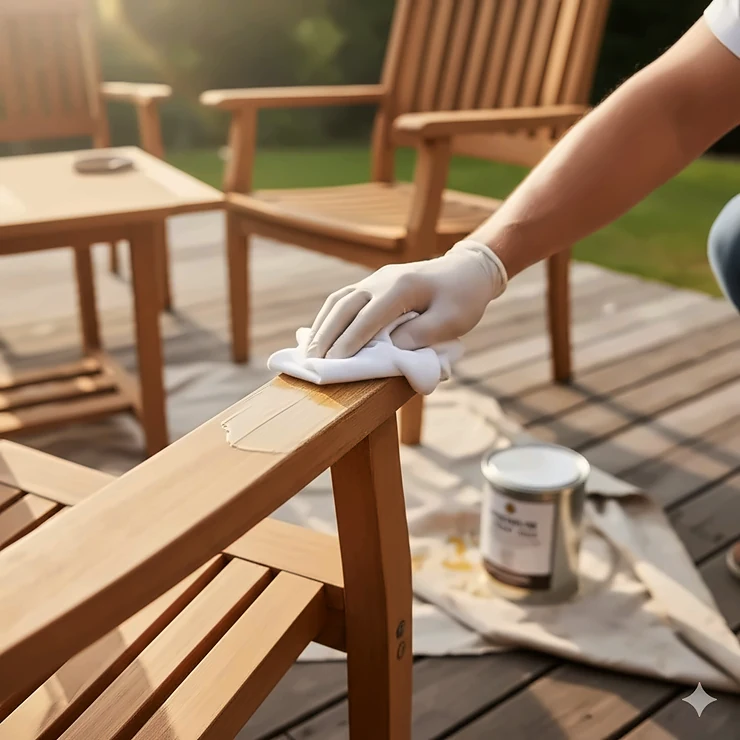
Picture this: You’ve invested in stunning teak outdoor furniture, dreaming of lazy summer afternoons on your patio. Fast forward six months, and that gorgeous golden-brown finish has faded to a dull gray. Sound familiar? You’re not alone, and here’s the good news – teak oil for outdoor furniture can bring back that showroom glow.
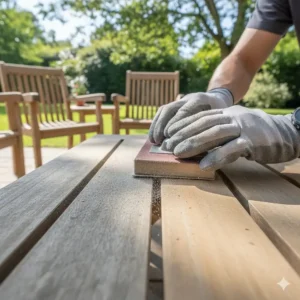
Teak wood (Tectona grandis) has reigned as the king of outdoor furniture for centuries, thanks to its natural oils and remarkable durability. But even this tropical hardwood benefits from a little TLC. The right oil teak outdoor furniture product doesn’t just restore color – it penetrates deep to provide UV protection, moisture resistance, and defense against weathering.
Whether you’re maintaining pristine new pieces or rescuing weathered garden furniture, choosing the right oil for teak garden furniture makes all the difference. I’ve spent months testing products, analyzing customer reviews, and consulting with furniture restoration experts to bring you this definitive guide. Let’s dive into what actually works in 2025.
Quick Comparison Table
| Product | Type | Size | Price Range | UV Protection | Drying Time | Best For |
|---|---|---|---|---|---|---|
| Star Brite Premium Golden | Oil-based | 16-32 oz | $17.97-$29.98 | Excellent | 8-12 hrs | Marine & outdoor |
| Watco Teak Oil Finish | Oil-based | 32 oz | $17.97 | Good | 6-8 hrs | Budget-conscious |
| TotalBoat Teak Oil | Oil-based | 32 oz | $25-$35 | Very Good | 8-12 hrs | Boats & furniture |
| Golden Care Protector | Water-based | 101.4 oz | $45-$60 | Excellent | 4-6 hrs | Eco-friendly |
| Furniture Clinic | Oil-based | 17 oz | $19.95-$25 | Good | 12-24 hrs | Premium finish |
| Minwax Helmsman | Oil-based | 32 oz | $19.88 | Good | 6-8 hrs | Multipurpose |
| AquaTeak Premium | Oil-based | Varies | $25-$40 | Very Good | 6-10 hrs | Indoor/outdoor |
💬 Just one click – help others make better buying decisions too! 😊
Top 7 Teak Oil for Outdoor Furniture: Expert Analysis
1. Star Brite Premium Golden Teak Oil – Editor’s Choice
When marine professionals trust a product for boat decks that face saltwater spray and relentless sun, you know it’s serious business. Star Brite Premium Golden Teak Oil combines ultra-refined natural oils with tung oil polymers and UV absorbers to create what I consider the gold standard.
Key Specifications:
- Advanced tung oil polymer formula
- UV protection that lasts 4-6x longer than standard oils
- Available in 16 oz, 32 oz, 1L, and 1-gallon sizes
Price Range: $17.97-$105.74 depending on size
Customer feedback consistently praises its warm golden finish that doesn’t turn wood orange or black – a common complaint with cheaper alternatives. One reviewer mentioned their 10-year-old teak deck looked brand new after application. The fast-drying formula means you’re not babysitting furniture for days.
✅ Pros:
- Professional-grade longevity
- Natural warm golden color
- Marine-tested durability
❌ Cons:
- Higher price point for gallons
- Requires proper ventilation during application
2. Watco Teak Oil Finish (Rust-Oleum A67141) – Best Value
Budget-friendly doesn’t mean cheap quality with Watco Teak Oil Finish. This Rust-Oleum product delivers impressive penetration for dense woods like teak, rosewood, and mahogany at a price that won’t break the bank.
Key Specifications:
- Deep penetration formula
- UV and moisture resistant
- Coverage: 150-200 sq. ft. per quart
Price Range: $17.97 for 32 oz
With nearly 2,000 Amazon reviews averaging 4.6 stars, users appreciate how it creates that classic hand-rubbed finish without excessive labor. One contractor noted he’s used it on outdoor projects for five years with consistent results. The clear finish enhances natural grain without dramatically altering color.
✅ Pros:
- Excellent value proposition
- Easy wipe-on application
- Reliable performance
❌ Cons:
- Some reviewers report glossier finish than expected
- May require multiple coats on weathered wood
3. TotalBoat Teak Oil – Best for Boats & Patios
Originally formulated for the demanding marine environment, TotalBoat Teak Oil brings that same protection to your outdoor furniture. The golden oil penetrates deeply to preserve teak’s natural beauty while working from the inside out.
Key Specifications:
- Prevents orange/black discoloration
- Coverage: 200-250 sq ft/gal (first coat)
- Suitable for hardwoods and softwoods
Price Range: $25-$35 for quart size
What sets TotalBoat apart is its versatility – equally effective on patio furniture, deck railings, and indoor pieces. Multiple users mention how easily it maintains that coveted “boat show glow” with minimal reapplication. The 20-30 minute penetration time is convenient for busy weekends.
✅ Pros:
- Won’t turn wood orange or black
- Excellent for weathered furniture
- Works on multiple wood types
❌ Cons:
- Requires cleaning prep for gray wood
- Slightly higher cost than basic options
4. Golden Care Teak Protector – Best Eco-Friendly Option
Breaking the mold of traditional teak oils, Golden Care Teak Protector uses a water-based, nanotechnology formula that’s completely solvent-free. If you’re environmentally conscious or sensitive to VOCs, this is your solution.
Key Specifications:
- 100% water-based, no VOCs
- UV blockers maintain golden-brown color
- Non-greasy, non-flammable formula
Price Range: $45-$60 for 101.4 oz
Reviews consistently highlight how this product maintains color 3x longer than oil-based competitors while preventing those frustrating black spots from mold. One customer reported their outdoor dining set looked “factory fresh” after a year of California sun exposure. The application feels more like using water than thick oil.
✅ Pros:
- Environmentally safe
- No hazardous solvents
- Prevents mold/mildew growth
❌ Cons:
- Higher initial cost
- Requires pairing with Golden Care Shield for stain protection
5. Furniture Clinic Teak Oil – Premium Traditional Formula
With a Good Housekeeping Seal of approval, Furniture Clinic Teak Oil represents old-school quality crafted from pure tung and linseed oils. This UK-based company’s traditional recipe has stood the test of time.
Key Specifications:
- Pure tung and linseed oil blend
- Natural matte finish
- Safe, non-toxic formula
Price Range: $19.95-$25 for 17 oz (500ml)
This premium option shines when you want that authentic, hand-rubbed appearance. Users praise how it restores weathered gray furniture to golden-brown splendor while creating a water-resistant seal. The natural ingredients mean it’s safe around kids and pets once dried.
✅ Pros:
- Traditional high-quality formula
- Beautiful matte natural finish
- Good Housekeeping approved
❌ Cons:
- Smaller bottle size
- Longer drying time (12-24 hours)
6. Minwax Helmsman Teak Oil – Best Multipurpose
When you need one product for multiple wood projects, Minwax Helmsman Teak Oil delivers versatility. This hardware store staple works equally well on outdoor furniture and indoor cabinetry.
Key Specifications:
- Penetrates wood pores deeply
- UV and moisture blocking
- Suitable for indoor/outdoor use
Price Range: $19.88 for 32 oz
The Minwax brand recognition means easy availability at most home improvement stores. Customers appreciate the straightforward application – brush or wipe on generously, let penetrate 5-10 minutes, apply second coat, then wipe completely dry. Two coats typically provide adequate protection.
✅ Pros:
- Widely available
- Reliable brand reputation
- Dual indoor/outdoor capability
❌ Cons:
- Mixed reviews on finish appearance
- Some users report polyurethane-like sheen
7. AquaTeak Premium Teak Oil – Best for Shower & Outdoor
Featured in Architectural Digest, AquaTeak Premium Teak Oil brings ultra-refined quality to spaces where moisture is constant concern – think outdoor furniture AND shower benches.
Key Specifications:
- Ultra-refined premium-grade formula
- Deep penetration for rich glow
- Gentle on environment and users
Price Range: $25-$40 (often bundled with furniture)
This product excels in high-humidity applications. One reviewer used it successfully on 50-year-old interior trim work, bringing new life to aged wood. The formula is gentle enough for daily exposure to water while providing robust protection against weathering.
✅ Pros:
- Versatile indoor/outdoor use
- Premium ultra-refined oils
- Excellent for wet environments
❌ Cons:
- Higher price point
- Best results require cloth application method
What is Teak Oil for Outdoor Furniture?
Despite its name, “teak oil” doesn’t actually come from teak trees. It’s a carefully blended formula typically containing tung oil, linseed oil, varnish, and mineral spirits designed to penetrate and protect dense hardwoods. Think of it as a specialized moisturizer for wood that restores natural oils lost to weathering.
True teak oil for outdoor furniture works differently than surface sealers. According to Britannica, teak wood naturally contains protective oils and silica, making it resistant to decay. Commercial teak oils enhance these properties by:
Penetrating Deep: Unlike surface coatings that sit on top, quality oils soak into wood pores, providing protection from within. This prevents cracking, warping, and splitting while maintaining the wood’s ability to “breathe.”
Replacing Lost Oils: Exposure to sun, rain, and temperature fluctuations gradually depletes teak’s natural oils. Teak oil replenishes these protective compounds, maintaining structural integrity and water resistance.
Adding UV Protection: Modern formulas incorporate UV inhibitors that shield wood from harmful rays that cause fading and degradation. This technology wasn’t available to furniture makers centuries ago.
The result? Furniture that maintains its golden-brown beauty while withstanding whatever weather throws at it. Understanding this fundamental purpose helps you evaluate product claims and choose the right option for your specific needs.
Understanding Teak Wood’s Unique Properties
Before slathering oil on your furniture, understanding why teak is special helps you appreciate what you’re protecting. Teak (Tectona grandis) evolved in Southeast Asian monsoon forests where surviving means resisting both torrential rains and scorching dry seasons.
Natural Defense Systems
High Oil Content: Teak wood contains 5-10% natural oils and rubber, creating a built-in water-repellent barrier. These oils also deter termites and other wood-boring insects – pests simply don’t find teak appetizing.
Silica Content: With up to 1.4% silica content (higher than most hardwoods), teak resists fungal decay and provides natural hardness. This same silica dulls cutting tools during woodworking, testament to its toughness.
Tight Grain Pattern: The close-grained structure limits moisture penetration while creating smooth, splinter-resistant surfaces. Combined with natural oils, this makes teak incredibly durable.
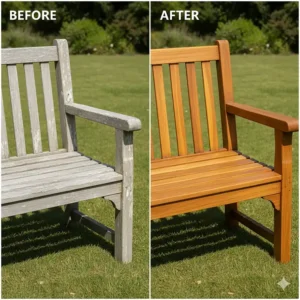
Golden to Silver Transformation: Left untreated, teak develops a distinguished silvery-gray patina over 6-12 months as surface oils oxidize. This weathering is purely cosmetic – the wood remains structurally sound. Applying oil for teak garden furniture maintains the original golden-brown appearance if that’s your preference.
These characteristics explain why teak dominated shipbuilding for centuries and why it remains the premium choice for outdoor furniture. You’re not just buying any wood – you’re investing in nature’s engineered perfection.
Signs Your Teak Furniture Needs Oil
Knowing when to apply oil teak outdoor furniture products prevents unnecessary maintenance while catching problems before they worsen. Here’s what to watch for:
Color Changes
Golden Fading to Gray: The first sign is color shift from rich honey-brown to pale beige, eventually reaching silver-gray. This indicates surface oils have oxidized and depleted.
Uneven Weathering: Blotchy appearance with some areas darker than others suggests inconsistent oil loss. Areas under cover may retain color while exposed sections fade.
Dark Spots or Streaking: Black or dark brown spots indicate mold or mildew growth, possible when surface oils are insufficient to repel moisture.
Texture Changes
Rough Feel: Smooth teak developing a fuzzy or rough texture means surface fibers are drying out and lifting. Running your hand across should feel silky, not coarse.
Visible Checks (Cracks): Small surface cracks appearing, especially on end grain, signal the wood is drying excessively. While minor checking is normal, deep cracks need attention.
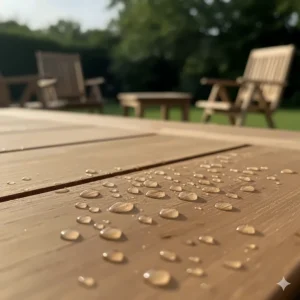
Water Absorption: Sprinkle water on the surface – if it immediately soaks in rather than beading up, natural oils are depleted and protection is compromised.
Environmental Indicators
Generally, outdoor furniture in full sun exposure needs oil every 3-6 months, while covered or partial-sun pieces might go 6-12 months. Coastal areas with salt air may require more frequent applications than inland locations.
The good news? Teak is forgiving. Even severely weathered furniture can be restored to beauty with proper cleaning and oil application.
How to Choose the Best Teak Oil for Your Needs
With dozens of products claiming to be the “best,” cutting through marketing hype requires understanding what actually matters. Let me break down the decision framework I use when recommending products.
Application Environment
Full Sun Exposure: Furniture in direct sunlight needs maximum UV protection. Look for products specifically mentioning UV inhibitors or absorbers (like Star Brite or TotalBoat). These specialized additives slow photodegradation significantly.
Covered Patios: Partial sun exposure means you can prioritize finish quality over heavy-duty UV protection. Mid-range options like Watco or Minwax work beautifully here.
Marine/Coastal: Saltwater environments demand marine-grade formulas. Products tested in boat applications (Star Brite, TotalBoat) contain enhanced corrosion resistance and withstand humidity better.
Variable Weather: If you experience extreme temperature swings or heavy precipitation, oil-based formulas penetrate deeper than water-based alternatives, providing better internal protection.
Formula Considerations
Oil-Based vs. Water-Based: Traditional oil-based products (most on our list) penetrate deeply and provide richer color enhancement. Water-based options (Golden Care) offer eco-friendly application with no VOCs but may require more frequent reapplication.
Natural vs. Synthetic: Pure tung and linseed oil blends (Furniture Clinic) provide authentic traditional finishes. Polymer-enhanced formulas (Star Brite) offer superior longevity through modern chemistry.
Finish Type: Decide between natural matte finishes that look hand-rubbed versus slight sheen that enhances grain figure. Read reviews carefully – some products surprise users with glossier results than expected.
Practical Factors
Coverage Area: Calculate total square footage of furniture. Quart sizes typically cover 150-200 sq ft on first coat. Larger furniture sets benefit from gallon purchases despite higher upfront cost.
Drying Time: Weekend warriors need products that dry in 6-8 hours (Watco, Minwax). If you can wait overnight, slower-drying oils (Furniture Clinic) often provide deeper penetration.
Reapplication Frequency: Some formulas (Star Brite) last 4-6x longer than basic oils. While initially more expensive, long-lasting protection reduces annual maintenance costs and effort.
Ease of Application: First-time users should choose straightforward wipe-on products (TotalBoat, Watco). Experienced DIYers might prefer traditional formulas requiring more technique but offering superior results.
The “best” product ultimately depends on your specific situation – there’s no universal answer. Match these factors to your needs for optimal results.
Step-by-Step Application Guide
Proper application makes the difference between professional results and disappointing outcomes. Follow this proven process I’ve refined through years of furniture restoration work.
1. Preparation Phase (Critical!)
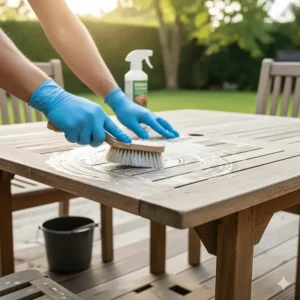
Clean Thoroughly: Use teak cleaner (like Golden Care Cleaner or TotalBoat Teak Cleaner) to remove dirt, mildew, and old finish residues. Weathered gray wood needs a brightener treatment to restore golden undertones before oiling.
Dry Completely: Wait 24-48 hours after washing for wood to dry thoroughly. Applying oil to damp wood traps moisture inside, causing future problems.
Sand If Needed: For extremely rough surfaces, lightly sand with 120-grit sandpaper following grain direction. Wipe away dust with tack cloth.
Protect Surrounding Areas: Cover nearby surfaces, as most oils can stain concrete, stone, or composite materials. Use drop cloths liberally.
2. Application Process
Test First: Apply oil to inconspicuous area to verify color result and ensure no adverse reactions. Wait for full drying before proceeding.
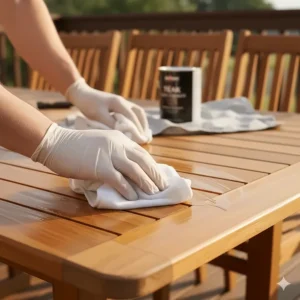
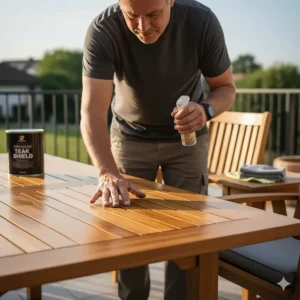
Apply Generously: Using lint-free cloth, brush, or foam applicator, apply oil liberally in direction of wood grain. Don’t be stingy – wood should look wet and saturated.
Allow Penetration: Let oil sit for 15-30 minutes (check product instructions). You’ll notice wood absorbing the oil as surface wetness decreases.
Apply Second Coat: For new or heavily weathered wood, apply another generous coat immediately after the first is absorbed but before wiping excess.
Remove Excess: After recommended penetration time (usually 20-30 minutes total), wipe surface completely dry with clean cloths. This step is crucial – excess oil left on surface will remain tacky and attract dirt.
3. Drying and Curing
Initial Dry Time: Most oils are dry to touch in 6-12 hours but haven’t fully cured. Avoid heavy use during this period.
Full Cure: Complete curing takes 24-48 hours. Don’t place cushions or objects on furniture until fully cured.
Ventilation: Ensure adequate airflow during drying, especially with oil-based products. This prevents sticky residue and accelerates curing.
Weather Considerations: Apply oil when temperature is between 50-90°F with low humidity. Avoid application if rain is forecasted within 24 hours.
4. Safety and Cleanup
Dispose of Rags Properly: OIL-SOAKED RAGS CAN SPONTANEOUSLY COMBUST. This isn’t hyperbole – linseed and tung oils generate heat as they cure. Spread rags flat to dry outdoors or submerge in water-filled metal container before disposal.
Clean Tools Immediately: Use mineral spirits or product-recommended solvent to clean brushes and applicators. Dried oil is nearly impossible to remove.
Protect Yourself: Wear gloves and work in well-ventilated area. While most modern teak oils are low-VOC, proper protection prevents skin irritation.
Following these steps ensures your investment in premium teak oil translates into beautiful, protected furniture that turns heads and withstands the elements.
Common Mistakes to Avoid
Even experienced DIYers stumble into these traps. Learning from others’ errors saves you time, money, and frustration.
Mistake #1: Applying Oil to Dirty or Wet Wood
I’ve seen countless “oil didn’t work” complaints traced back to inadequate cleaning. Oil cannot penetrate through dirt, mildew, or moisture. That gorgeous restoration photo you saw online? It started with thorough cleaning and complete drying. No shortcuts here.
The Fix: Invest in quality teak cleaner. Spend 30 minutes on prep to save hours of disappointment.
Mistake #2: Over-Application Without Removal
“More must be better, right?” Wrong. Excess oil left on the surface never fully cures, creating a sticky layer that collects dust and dirt. Your furniture ends up looking worse than before treatment.
The Fix: Wipe surfaces completely dry after penetration period. If you can feel oil on the surface after drying time, you applied too much or didn’t wipe adequately.
Mistake #3: Ignoring Weather Conditions
Applying oil with rain approaching or in extreme heat leads to poor penetration and uneven results. Temperature affects oil viscosity and drying time significantly.
The Fix: Check 48-hour weather forecast. Plan applications for mild, dry days with moderate temperatures (60-80°F optimal).
Mistake #4: Expecting Instant Results on Weathered Wood
Severely grayed furniture often needs 2-3 applications to restore golden color. First coat rehydrates wood, second enhances color, third perfects finish. Patience yields results.
The Fix: Plan for multiple sessions over several weeks for badly weathered pieces. Consider professional teak cleaning service for extreme cases.
Mistake #5: Using Wrong Product Type
Not all “teak oil” works for outdoor applications. Some interior-grade products lack UV protection necessary for sun exposure. Similarly, using deck stains or polyurethane creates surface films that prevent wood from breathing.
The Fix: Verify product specifically lists outdoor furniture use and UV protection. When in doubt, marine-grade formulas provide highest durability.
Mistake #6: Improper Rag Disposal
This bears repeating because it’s dangerous: spontaneous combustion from oil-soaked rags causes fires. Period. Don’t learn this lesson the hard way.
The Fix: Always spread rags flat to dry outdoors on non-combustible surface, or submerge in water-filled metal container. Dispose according to local hazardous waste guidelines.
Maintenance Schedule for Long-Lasting Protection
Consistency beats intensity when maintaining teak outdoor furniture. Here’s the realistic maintenance calendar I recommend to clients, balancing protection with practicality.
New Furniture (First Year)
Month 1-2: Apply initial coat of teak oil after 2-4 weeks of outdoor weathering. New wood needs brief exposure to begin stabilizing before first treatment.
Month 4-5: Second application maintains color as wood continues adjusting to outdoor environment.
Month 8-9: Third application before fall/winter establishes protection baseline.
Year-End Assessment: Evaluate condition and determine maintenance frequency needed for your climate.
Established Furniture (Years 2+)
Full Sun Exposure: Oil every 3-4 months (4 times yearly). UV damage accumulates quickly in direct sunlight.
Partial Sun/Shade: Oil every 5-6 months (2-3 times yearly). Reduced exposure extends intervals.
Covered Patios: Oil annually or bi-annually depending on visible color loss. Covered furniture maintains oils longer.
Coastal/High Humidity: Increase frequency by 30-50% due to accelerated weathering from salt and moisture.
Seasonal Considerations
Spring Preparation: Deep clean and oil before outdoor entertaining season begins. This is your most important annual treatment.
Mid-Summer Touch-Up: Quick cleaning and light oil application maintains appearance through peak use months.
Fall Protection: Pre-winter oiling provides protection during harsh weather months when furniture may see limited use.
Winter Storage: Clean but skip oiling if storing indoors. Apply fresh coat in spring when returning outdoors.
Between Treatments
Monthly Inspection: Quick visual check for problem areas needing spot treatment or cleaning.
Weekly Cleaning: Wipe down with damp cloth to remove pollen, bird droppings, or food spills before they stain.
Immediate Action: Address spills immediately – especially acidic substances like wine, citrus juice, or coffee that can penetrate and stain even oiled wood.
Remember, these are guidelines, not rigid rules. Your furniture will tell you when it needs attention through color changes and water absorption. Adjust frequency based on your observation and climate conditions.
Oil vs. Sealer vs. Varnish: Understanding the Differences
Confusion about teak finishing products runs rampant. Let me clarify what each type does and when to use it – this knowledge prevents costly mistakes.
Teak Oil (Penetrating Finish)
What It Does: Soaks into wood fibers, replacing natural oils and providing internal protection. Creates natural matte or low-sheen finish that enhances grain without forming surface film.
Best For: Maintaining authentic teak appearance, periodic maintenance, flexibility to weather naturally, easy reapplication.
Limitations: Requires more frequent reapplication (3-12 months), provides moderate UV protection, won’t prevent weathering completely.
Teak Sealer (Penetrating + Surface Protection)
What It Does: Combines penetrating oils with light surface sealers (like TotalBoat Danish Teak Sealer). Penetrates like oil but adds extra protective layer.
Best For: Enhanced protection while maintaining relatively natural appearance, reducing maintenance frequency, preventing stains from food/drinks.
Limitations: Slightly alters wood feel, more difficult to reapply (may require stripping old sealer), can develop uneven wear patterns.
Varnish/Polyurethane (Surface Coating)
What It Does: Forms hard, glossy film on wood surface providing maximum protection against moisture and UV damage.
Best For: Indoor furniture, architectural millwork, tabletops needing waterproofing, situations requiring maximum durability.
Limitations: Requires complete stripping for reapplication, prevents wood from breathing, can crack and peel over time, dramatically changes appearance, high-maintenance when worn.
Water-Based Protectors (Modern Alternative)
What It Does: Uses nanotechnology (like Golden Care) to create hydrophobic surface while allowing wood to breathe. No oils or solvents involved.
Best For: Eco-conscious consumers, sensitive individuals, maintaining color longer, preventing mold/mildew.
Limitations: Higher cost, different application feel, may require companion products for complete protection.
Decision Matrix
Choose Teak Oil If: You want authentic traditional appearance, plan regular maintenance, prefer natural weathering option, working with boats or marine applications.
Choose Sealer If: You need extended protection between applications, furniture gets heavy use, want stain resistance for dining surfaces, balance between natural look and protection.
Choose Varnish If: You’re treating indoor pieces, need maximum waterproofing, don’t mind glossy appearance, willing to commit to complete refinishing when worn.
Choose Water-Based If: Environmental concerns are priority, VOC sensitivity is issue, want longest color retention, willing to invest in premium products.
Most outdoor furniture benefits from traditional penetrating teak oil. It honors the wood’s nature while providing adequate protection with reasonable maintenance. Save sealers and varnishes for special situations where their drawbacks are offset by specific needs.
Top Benefits of Regular Teak Oil Application
Investing time in regular oil teak outdoor furniture maintenance pays dividends beyond just appearance. Here’s what you’re actually achieving.
1. UV Damage Prevention
Ultraviolet radiation breaks down lignin (the “glue” holding wood fibers together) causing surface degradation and graying. Quality teak oils contain UV absorbers that essentially create sunscreen for your furniture. This prevents the photochemical reactions that age wood prematurely. Think of it as anti-aging cream – prevention is easier than reversal.
2. Moisture Regulation
While teak naturally resists moisture, maintaining oil levels helps regulate water absorption and release. This prevents the expansion-contraction cycles that cause checking (small cracks) and larger splits. Oiled wood handles rain-sun cycles more gracefully, maintaining structural integrity longer.
3. Enhanced Natural Beauty
Let’s be honest – aesthetics matter. Oiled teak displays the rich golden-brown warmth and pronounced grain figure that makes this wood so desirable. The depth and luster simply can’t be matched by dry, weathered surfaces. Your investment deserves to look its best.
4. Surface Protection
Beyond deep penetration, oil creates a subtle surface barrier against:
- Food and drink stains that could penetrate dry wood
- Bird droppings and tree sap that might otherwise etch surface
- Dirt and grime accumulation in porous grain
- Minor scratches and surface wear from normal use
This protection isn’t absolute, but it provides crucial first-line defense.
5. Extended Furniture Lifespan
While quality teak can last 50+ years even untreated, regular maintenance extends this to 75-100+ years. You’re protecting a significant investment – premium teak furniture costs thousands of dollars. Spending $20-40 annually on oil is insurance against premature replacement.
6. Easier Cleaning
Oiled surfaces resist dirt accumulation and clean more easily than dry, porous wood. Simple soap and water handle most maintenance. Compare this to scrubbing weathered wood where grime embeds in every pore. Regular oiling is actually the lazy person’s solution.
7. Maintains Resale Value
Well-maintained teak furniture holds value remarkably well. Should you decide to sell or upgrade, documented regular maintenance increases buyer confidence. Restored furniture commands premium prices compared to neglected pieces requiring extensive work.
8. Prevents Insect Infestation
While teak’s natural oils deter most insects, maintaining these protective compounds ensures wood remains unappetizing to termites, carpenter ants, and other pests that might otherwise colonize dry, compromised wood.
9. Therapeutic Personal Benefits
There’s genuine satisfaction in maintaining beautiful things. The process of hand-rubbing oil into wood, seeing it transform before your eyes, connects you with craftsmanship traditions spanning centuries. It’s meditative, rewarding work that yields tangible results.
Regular maintenance isn’t a chore – it’s an investment in beauty, longevity, and peace of mind. The hour or two you spend quarterly protects years of enjoyment.
Environmental Considerations and Sustainability
Conscious consumers rightfully question the environmental impact of any chemical treatment. Let’s address sustainability honestly.
Teak Sourcing
Modern teak comes primarily from managed plantations in Indonesia, India, and Central/South America rather than old-growth forests. Responsible suppliers participate in Forest Stewardship Council (FSC) certification programs ensuring sustainable harvest practices. When purchasing furniture, look for FSC-certified teak to support responsible forestry.
Historical wild teak harvesting caused deforestation concerns, but regulated plantation management has largely addressed this. Each harvested tree triggers planting of multiple replacements. The 25-30 year growth cycle makes teak a renewable resource when properly managed.
Oil Formula Environmental Impact
Traditional Oil-Based Products: Contain petroleum-derived mineral spirits as thinners, volatile organic compounds (VOCs) during application, and require mineral spirits cleanup. However, once cured, these products are inert and don’t leach chemicals. Environmental impact concentrates in manufacturing and application phases.
Water-Based Products: Eliminate VOCs and petroleum components entirely. Golden Care and similar products represent the eco-conscious choice, using water as carrier and natural UV blockers. These formulas are biodegradable and non-toxic to aquatic life if runoff occurs.
Natural Oils: Pure tung and linseed oils are plant-derived and biodegradable. However, they require additives for outdoor durability and UV protection. “Natural” doesn’t always mean “better performing” in harsh conditions.
Application Waste
Proper rag disposal is both safety and environmental issue. Oil-soaked materials must cure completely before disposal to prevent combustion hazards. Most jurisdictions classify them as household hazardous waste. Contact local waste management for disposal guidelines. Never pour leftover oil down drains – properly seal containers and dispose through hazardous waste collection programs.
Maintenance vs. Replacement Lifecycle
From sustainability perspective, maintaining existing teak furniture dramatically reduces environmental impact compared to replacement. Manufacturing new furniture requires:
- Tree harvesting and transportation
- Energy-intensive milling and manufacturing
- Global shipping
- Packaging materials
- Disposal of replaced furniture
Regular maintenance extends furniture life 2-3x, avoiding this impact. The resources used in 20 years of oil applications are negligible compared to manufacturing replacement furniture.
Making Eco-Conscious Choices
- Choose Water-Based When Possible: Products like Golden Care minimize chemical impact while providing protection.
- Apply Efficiently: Use only necessary amounts – excessive application wastes product and creates disposal issues.
- Dispose Responsibly: Follow local hazardous waste guidelines for rags and containers.
- Maintain Rather Than Replace: Keep furniture maintained to avoid premature replacement.
- Support Certified Sources: Buy FSC-certified teak furniture supporting sustainable forestry.
The environmental equation strongly favors maintenance over replacement. While no chemical treatment is impact-free, responsible teak oil use represents the sustainable choice for furniture longevity.
Frequently Asked Questions
❓ How often should I apply teak oil for outdoor furniture?
❓ Can I use regular cooking oil instead of teak oil?
❓ What's the difference between teak oil and teak sealer?
❓ Will oil teak outdoor furniture prevent it from turning gray?
❓ Is teak oil safe for food contact surfaces on outdoor dining tables?
Conclusion
Choosing the right teak oil for outdoor furniture transforms maintenance from chore to satisfaction. Whether you opt for marine-tested Star Brite for ultimate durability, budget-friendly Watco for reliable protection, eco-conscious Golden Care for sustainable care, or traditional Furniture Clinic for authentic results – the key is consistent application.
Remember, teak’s legendary durability isn’t magic. It’s the combination of extraordinary natural properties enhanced by smart maintenance. The hour you invest quarterly applying oil teak outdoor furniture products protects decades of enjoyment and thousands of dollars in investment.
Your furniture will thank you with years of golden beauty and dependable service. Start with thorough cleaning, choose oil matched to your climate and usage, follow application instructions carefully, and maintain a regular schedule. The satisfaction of running your hand across beautifully maintained wood, seeing rich grain figure and warm color, makes the modest effort entirely worthwhile.
Ready to restore your outdoor oasis? Pick your product, clear a weekend afternoon, and give your furniture the care it deserves. Your backyard paradise awaits.
Recommended for You
- 7 Best Teak Furniture Tables 2025 | Premium Quality Guide
- Best Metal Table Furniture 2025: 7 Expert Picks for Your Home
- Rope Outdoor Furniture: 7 Stunning Sets That Transform Patios
Disclaimer: This article contains affiliate links. If you purchase products through these links, we may earn a small commission at no additional cost to you.
✨ Found this helpful? Share it with your friends! 💬🤗
