
In This Article
✨Was this helpful? Spread the word! 🚀
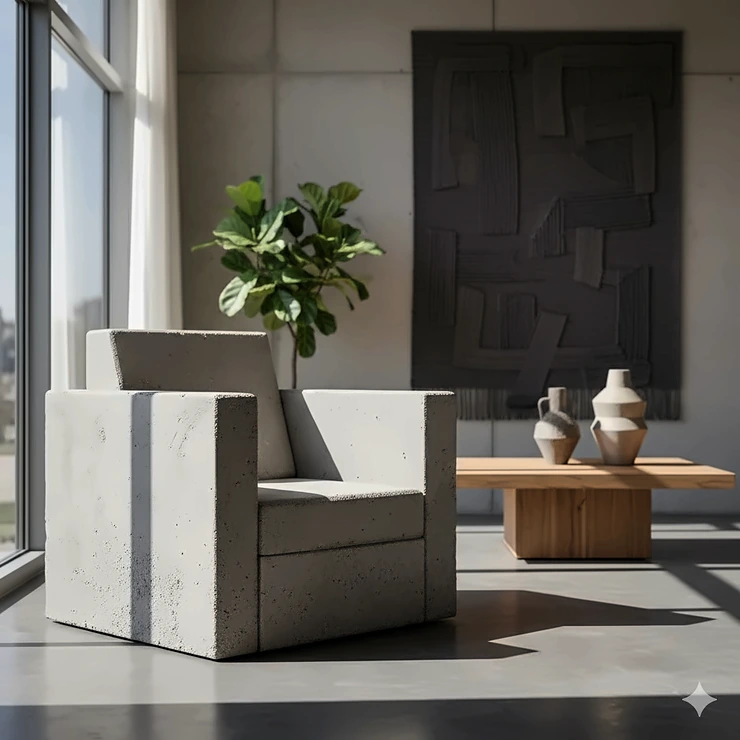
You know that feeling when you walk into a room and something just stops you in your tracks? That’s exactly what happens when people encounter brutalist furniture for the first time. I’m not talking about your grandmother’s antique collection or those sleek minimalist pieces everyone’s been obsessing over. No, this is something entirely different—raw, honest, and unapologetically bold.
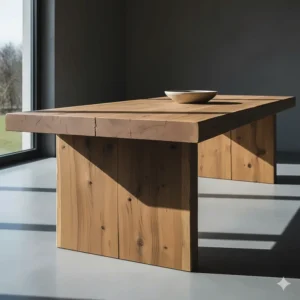
Brutalist furniture embraces imperfection like a badge of honor. Picture chunky concrete tables that look like they were carved from architectural monuments, steel frames that celebrate their industrial origins, and wood pieces with textures so tactile you can’t help but run your hands across them. These aren’t just furniture pieces—they’re sculptural statements that tell stories about craftsmanship, honesty, and the beauty found in unrefined materials.
The movement traces back to the 1950s architectural revolution where “béton brut” (raw concrete) became the hero material. Pioneers like Le Corbusier and Paul Evans transformed this philosophy into furniture that rejected pretense and celebrated authentic materials. Today, brutalism in furniture is experiencing a massive resurgence as homeowners crave authenticity in an increasingly digital world. We’re seeing designers merge those mid-century principles with contemporary sensibilities, creating pieces that feel both timeless and thoroughly modern.
According to architectural historians, brutalist design represents more than aesthetics—it’s a philosophical statement about truth in materials and function. These pieces don’t try to be something they’re not. A concrete table doesn’t pretend to be marble; steel doesn’t masquerade as wood. This honesty resonates deeply with today’s consumers who’ve grown tired of mass-produced furniture that all looks the same.
Quick Comparison Table
| Product | Material | Size | Weight Capacity | Price Range | Best For |
|---|---|---|---|---|---|
| CENSI 47″ Concrete Coffee Table | Faux Concrete/Metal | 47″L x 24″W | 220 lbs | $200-$280 | Modern living rooms |
| HomeRoots 42″ Concrete Table | Real Concrete/Steel | 42″W x 42″D | Heavy duty | $350-$450 | Minimalist spaces |
| South Shore Mezzy Table | Engineered Wood/Metal | 43.3″L x 23.6″W | 66 lbs | $150-$200 | Budget-friendly option |
| Tov Crag Black Table | Concrete | Outdoor suitable | Weather-resistant | $300-$400 | Indoor/outdoor use |
| LUCKYERMORE Metal Chairs (Set of 2) | Metal/Wood | Standard dining | 450 lbs each | $120-$180 | Dining spaces |
| Amazon Basics Metal Chairs (4-Pack) | Metal | Compact design | Stackable | $80-$120 | Small apartments |
| REIBII Industrial Shelving | Heavy Steel | 36″W x 72″H | 3000 lbs | $180-$250 | Storage solutions |
💬 Just one click – help others make better buying decisions too!😊
🛒 Ready to Transform Your Space?
✨ These brutalist furniture pieces combine form and function in ways traditional furniture simply can’t match. Click any product above to check current availability and exclusive deals—your space deserves this upgrade! 🏠
Top 7 Brutalist Furniture Pieces: Expert Analysis
1. CENSI 47-Inch Grey Concrete Coffee Table
This table absolutely nails the brutalist aesthetic without the backbreaking weight of actual concrete. The 3D textured faux concrete finish creates that raw, industrial look you’re craving, while the hefty 40mm MDF top ensures durability that’ll last decades. I’ve seen countless coffee tables, but this one strikes that perfect balance between architectural drama and everyday functionality.
Key Specifications:
- Dimensions: 47″L x 24″W x 15.7″H
- Materials: Faux concrete finish over honeycomb-reinforced MDF, powder-coated steel frame
- Weight capacity: 220 lbs
- Assembly: Quick 15-minute setup
The genius here lies in the engineering. Those 20x20mm metal tubes aren’t just for show—they provide rock-solid stability while maintaining that industrial brutalist vibe. Customers consistently praise how the semi-glossy black frame contrasts beautifully with the grey stone texture, creating visual depth that photographs don’t quite capture.
Customer Feedback: Buyers report this table exceeds expectations for the price point, with many noting it looks far more expensive than it actually costs. The weatherproof coating makes cleanup incredibly easy—just wipe with a damp cloth.
Pros:
✅ Authentic brutalist aesthetic at accessible price point
✅ Heavy-duty construction supports serious weight
✅ Easy maintenance and assembly
Cons:
❌ Requires two people for initial setup
❌ Finish may show dust more readily than darker surfaces
Price Range: $200-$280 | Available on Amazon
2. HomeRoots Concrete Metal Modern Coffee Table
When you want the real deal, this is it. We’re talking actual fiber-reinforced concrete here—not imitation, not faux finish, but legitimate brutalist material that weighs in at a substantial 66 pounds. This 42-inch square table makes an undeniable statement about your commitment to authentic design.
Key Specifications:
- Dimensions: 42″W x 42″D x 15″H
- Materials: Natural fiber-reinforced concrete with acrylic seal, rust-finish steel frame
- True brutalist construction
- Indoor use recommended
The concrete top features that gorgeously imperfect texture that brutalism celebrates. Each piece develops unique characteristics during the curing process, meaning your table is genuinely one-of-a-kind. The rusty steel frame adds an industrial edge that complements the raw concrete perfectly.
Customer Feedback: Owners love the substantial feel and authenticity, though they emphasize you’ll need help moving it. Many report it becomes a conversation starter—guests can’t resist touching the unique texture.
Pros:
✅ Authentic concrete construction
✅ Unique patina and texture on every piece
✅ Substantial, museum-quality presence
Cons:
❌ Extremely heavy—professional delivery recommended
❌ Requires periodic resealing for maintenance
Price Range: $350-$450 | Available on Amazon
3. South Shore Mezzy Industrial Coffee Table
Here’s where brutalist meets budget-conscious without sacrificing style. The concrete gray finish over engineered wood delivers that coveted industrial aesthetic at a fraction of the cost of solid concrete. This 43-inch table proves you don’t need to break the bank to embrace brutalist design principles.
Key Specifications:
- Dimensions: 43.3″L x 23.6″W x 16.5″H
- Materials: Laminated engineered wood with concrete-effect finish
- Water-resistant coating
- 1-year limited warranty
What makes this piece brilliant is how South Shore managed to capture the brutalist spirit while keeping it practical for everyday life. The surface resists water rings and spills—perfect for those who actually use their coffee tables for, you know, coffee. Plus, at 40 pounds, it’s manageable to move when you’re redecorating.
Customer Feedback: Reviewers consistently mention how sturdy it feels despite the accessible price. Many appreciate that it arrives with clear assembly instructions and all necessary hardware included.
Pros:
✅ Excellent value for money
✅ Water-resistant finish for real-world use
✅ Lightweight enough to rearrange easily
Cons:
❌ Not genuine concrete (for purists)
❌ May lack the heft some prefer in statement pieces
Price Range: $150-$200 | Available on Amazon
4. Tov Furniture Crag Black Concrete Coffee Table
This versatile piece breaks the rules in the best way—it’s brutalist furniture that works both indoors and outdoors. The weather-resistant concrete construction means you can create that raw, architectural vibe on your patio just as easily as in your living room.
Key Specifications:
- Weather-resistant concrete construction
- Suitable for indoor and outdoor use
- Durable, low-maintenance finish
- Rustic western aesthetic
The black concrete finish gives this table a more contemporary edge while maintaining those essential brutalist characteristics. The material composition allows it to withstand temperature fluctuations and moisture without cracking or degrading—something traditional concrete sometimes struggles with.
Customer Feedback: Outdoor enthusiasts rave about finally finding brutalist-style furniture that can handle the elements. Several reviewers mention using it year-round in varying climates with no issues.
Pros:
✅ True indoor/outdoor versatility
✅ Weather-resistant durability
✅ Distinctive black concrete finish
Cons:
❌ Limited size options
❌ Heavy weight makes relocation challenging
Price Range: $300-$400 | Available on Amazon
5. LUCKYERMORE Heavy Duty Metal Dining Chairs (Set of 2)
Brutalist furniture isn’t just about tables—these dining chairs embody the movement’s core principles with their honest metal construction and solid wood seats. The high-back ladder design references industrial seating while providing surprising comfort for extended meals.
Key Specifications:
- Set of 2 chairs
- Materials: Heavy-duty metal frame with natural solid wood seats
- Weight capacity: 450 lbs per chair
- Dimensions: 16.5″L x 16.5″W seat
The genius of these chairs lies in their no-nonsense construction. That metal frame isn’t trying to look like anything other than what it is—honest steel that’ll last generations. The wood seats develop character over time, gaining patina that tells your story. Plus, they arrive fully assembled, which feels like winning the furniture lottery.
Customer Feedback: Buyers particularly appreciate the substantial weight capacity and stability. Many mention these chairs feel restaurant-grade in terms of durability, yet work beautifully in residential settings.
Pros:
✅ Exceptional 450 lb weight capacity
✅ No assembly required—unbox and use
✅ Restaurant-quality construction
Cons:
❌ Compact seat size may not suit everyone
❌ Metal can feel cold initially (cushions solve this)
Price Range: $120-$180 for set of 2 | Available on Amazon
6. Amazon Basics Metal Dining Chairs (4-Pack)
Sometimes brutalist design means stripping away everything unnecessary, and these matte black metal chairs do exactly that. The minimalist approach creates a clean, industrial aesthetic that complements rather than competes with other brutalist pieces in your space.
Key Specifications:
- Set of 4 chairs
- Matte black powder-coated finish
- Stackable design for easy storage
- Compact footprint ideal for apartments
These chairs prove that brutalism doesn’t always mean massive and heavy. The stackable feature makes them incredibly practical for small spaces or those who entertain occasionally. The all-metal construction stays true to industrial roots while the powder coating prevents rust and wear.
Customer Feedback: Reviewers love the stackability and how they tuck under tables to maximize space. Some note the compact size works better for smaller individuals, so consider your specific needs.
Pros:
✅ Space-saving stackable design
✅ Excellent value for 4-piece set
✅ Easy-to-clean metal construction
Cons:
❌ Smaller scale may not suit larger individuals
❌ All-metal means no cushioning (consider seat pads)
Price Range: $80-$120 for 4-pack | Available on Amazon
7. REIBII Industrial Heavy-Duty Storage Shelving Unit
Brutalist design extends beyond seating and tables into storage solutions that make no apologies for their industrial origins. This 5-tier shelving unit showcases raw steel construction with that characteristic no-frills aesthetic that brutalism celebrates.
Key Specifications:
- Dimensions: 36″W x 16″D x 72″H
- Materials: Heavy-duty reinforced steel with protective coating
- Total capacity: 3000 lbs (600 lbs per shelf)
- Adjustable shelf heights
The dual-layer column design sets this apart from cheaper alternatives. Those reinforced posts don’t just look substantial—they provide genuine structural integrity that can handle everything from books to power tools. The bolt-free assembly system means you’re not fighting with dozens of tiny parts for hours.
Customer Feedback: Users consistently praise the stability and how the industrial aesthetic transforms storage from necessary evil into design statement. Many mention completing assembly in under 20 minutes solo.
Pros:
✅ Impressive 3000 lb total capacity
✅ Tool-free assembly in minutes
✅ Adjustable shelves adapt to your needs
Cons:
❌ Industrial look may be too utilitarian for some living spaces
❌ Protective coating requires occasional inspection
Price Range: $180-$250 | Available on Amazon
Understanding Brutalist Furniture: Beyond the Basics
What Defines Brutalism in Furniture Design?
Let’s cut through the confusion—brutalist furniture isn’t just any chunky or industrial-looking piece. True brutalism in furniture follows specific design principles that originated from the architectural movement of the same name. The term comes from “béton brut,” which literally means raw concrete in French, though the philosophy extends far beyond just one material.
At its core, brutalist furniture celebrates honest construction and authentic materials. There’s no veneer hiding plywood, no paint masking inferior materials. What you see is what you get—raw concrete, exposed steel welding, unfinished wood grain. This “truth to materials” philosophy means every piece tells an honest story about what it’s made from and how it was constructed.
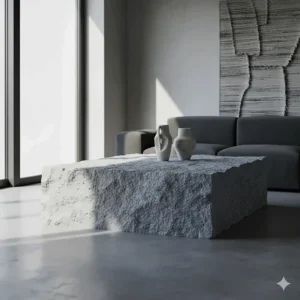
The aesthetic leans heavily geometric with bold, angular forms. Think massive rectangular coffee tables, cube-shaped chairs, and shelving units that look like they could support a building. These pieces aren’t trying to disappear into your décor—they command attention and anchor entire rooms with their substantial presence.
Texture plays a crucial role too. Unlike smooth, polished furniture that aims for perfection, brutalist pieces embrace rough surfaces, visible grain patterns, and even intentional imperfections. That concrete tabletop with slight variations in color? That’s not a defect—it’s authenticity. Those visible welds on a steel chair frame? They’re design features celebrating the fabrication process.
The Evolution of Brutalism in Furniture
The brutalist movement emerged in post-war Europe during the 1950s and 60s when designers like Le Corbusier pioneered architecture that rejected ornamentation in favor of raw materials and honest construction. This philosophical approach quickly spread to furniture design, where makers began questioning why furniture needed to hide its structural elements or disguise its materials.
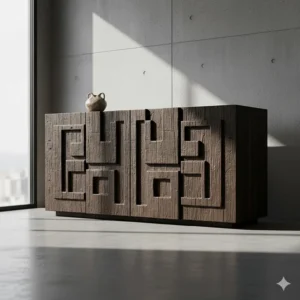
American designers like Paul Evans became legends by creating sculptural pieces that blurred the line between furniture and art. His Sculpture Front cabinets featured heavily textured metal surfaces that looked like abstract reliefs. Meanwhile, Scandinavian designers like Henning Kjærnulf brought brutalism to wood, creating chunky oak pieces with dramatic grain patterns and hand-hewn surfaces.
The 1970s saw brutalism reach its peak, but the movement fell out of favor during the glossy 1980s and minimalist 1990s. However, we’re now experiencing a major resurgence. Today’s designers are reinterpreting brutalist principles for contemporary spaces, creating pieces that honor the movement’s core values while incorporating modern manufacturing techniques and materials.
Why Brutalist Furniture Is Trending in 2025
The Authenticity Movement
Something fascinating is happening in interior design right now. After decades of mass-produced furniture that all looks suspiciously similar, people are craving authenticity. They want pieces with character, history, and honest materials. Brutalist furniture delivers exactly that.
This shift reflects broader cultural trends toward transparency and authenticity. According to design researchers at institutions like the Rhode Island School of Design, consumers increasingly value products that don’t try to be something they’re not. Brutalist furniture fits perfectly into this mindset—a concrete table doesn’t pretend to be marble, and steel frames celebrate rather than hide their industrial origins.
Social media has amplified this trend tremendously. Interior design influencers on platforms like Instagram showcase how brutalist pieces create dramatic focal points that photograph beautifully. The textured surfaces and bold forms create visual interest that translates exceptionally well to digital media, helping drive mainstream adoption of what was once a niche aesthetic.
Sustainability Meets Design
Here’s something not many people realize—brutalist furniture often aligns beautifully with sustainable design principles. The emphasis on durable materials and honest construction means these pieces are built to last generations, not years. That steel shelving unit? It’ll likely outlive you. That solid concrete table? Your grandchildren might inherit it.
The movement’s focus on raw materials also means less chemical processing and finishing. A brutalist oak bench might just be oiled rather than covered in multiple layers of polyurethane. Concrete pieces often use recycled aggregates. Steel frames frequently incorporate reclaimed industrial materials. This approach reduces environmental impact while creating furniture with genuine character.
Moreover, the timeless aesthetic means brutalist pieces resist becoming dated. Unlike trendy furniture that screams “2020s!” and will look embarrassingly outdated in five years, good brutalist design transcends temporary fashion. This longevity represents the ultimate sustainability—furniture you’ll never need to replace because it falls out of style.
Materials Matter: Understanding Brutalist Construction
Concrete: The Foundation Material
Concrete in brutalist furniture comes in several forms, each with distinct characteristics. Fiber-reinforced concrete mixes traditional cement with structural fibers, creating lightweight yet incredibly strong pieces. This material allows for more complex shapes while maintaining durability that rivals solid concrete.
Cast concrete involves pouring material into molds, enabling precise control over final dimensions. Designers can create everything from smooth surfaces to highly textured finishes depending on mold characteristics. The curing process affects final color and texture—factors that make each piece slightly unique.
Some modern pieces use “faux” concrete finishes—high-quality laminates or coatings that mimic concrete’s appearance without the weight. While purists might object, these alternatives make brutalist aesthetics accessible to apartments with weight restrictions or upper floors where genuine concrete would be problematic.
Steel and Metal Work
Steel in brutalist furniture typically appears in raw, minimally processed forms. Powder coating adds durability and color while maintaining that industrial aesthetic. The process electrically charges powder particles so they adhere to metal surfaces, creating uniform, durable finishes that resist chipping better than traditional paint.
Welded construction celebrates visible joints rather than hiding them. Those bead welds you see along steel chair frames? They’re intentional design elements that showcase craftsmanship. Some designers even highlight welds with contrasting finishes, turning functional joints into decorative features.
Metal oxidation creates natural patinas that many designers intentionally encourage. A new steel table might have uniform coloring, but over time, subtle color variations develop—particularly in humid climates. Rather than fighting this process, brutalist design embraces it as character development.
Wood’s Role in Brutalism
Brutalist wood furniture favors species with dramatic grain patterns and substantial mass. Oak, with its pronounced grain and density, appears frequently. Designers often use thicker cuts than typical furniture, emphasizing material substance over delicacy.
Finishing techniques for brutalist wood pieces lean minimal. Oil or wax treatments protect wood while allowing natural texture and color to shine through. Some designers deliberately char wood surfaces using traditional Japanese yakisugi techniques, creating dramatic black finishes with enhanced durability.
Reclaimed wood fits perfectly into brutalist philosophy. Old barn beams, factory flooring, and industrial pallets bring authentic patina that new wood can’t match. The weathering, nail holes, and color variations tell stories about previous lives—exactly the kind of honest history brutalism celebrates.
How to Choose Brutalist Furniture for Your Space
Assessing Your Space
Before falling in love with that massive concrete coffee table, you need to think practically. Brutalist furniture makes bold statements, but those statements need appropriate stages. Start by measuring your space carefully—not just floor area, but also doorways, hallways, and staircases. That gorgeous 200-pound concrete table does you no good if it won’t fit through your front door.
Consider ceiling height too. Brutalist pieces often have substantial vertical presence, and rooms with standard 8-foot ceilings can feel overwhelmed by overly tall shelving or sculptural pieces. Higher ceilings provide more visual breathing room for dramatic furniture.
Natural lighting affects how brutalist furniture appears throughout the day. Concrete and steel surfaces interact beautifully with changing light, creating subtle shifts in appearance. Rooms with abundant natural light showcase textured surfaces particularly well, while dimmer spaces might benefit from lighter concrete tones or reflective metal finishes.
Weight capacity matters more with brutalist furniture than typical pieces. Concrete tables might exceed floor load ratings in older buildings or upper apartments. Check building codes and weight restrictions before committing to particularly heavy pieces. Some apartments have specific weight limits per square foot that genuine concrete furniture could exceed.
Mixing Brutalist with Other Styles
Brutalist furniture works surprisingly well in eclectic interiors when balanced thoughtfully. The key is treating brutalist pieces as anchors rather than filling entire rooms with industrial aesthetics. One stunning concrete coffee table in a room with softer elements creates drama; six concrete pieces create a parking garage.
Contrast serves as your best friend here. Pair that chunky steel chair with soft textile cushions. Position a rough concrete table atop a plush area rug. The juxtaposition between brutalist hardness and comfortable softness creates visual interest while making spaces feel lived-in rather than museum-like.
Color choices significantly impact how brutalist furniture integrates into existing décor. Raw concrete gray and industrial black feel intentionally stark, creating high-contrast environments. However, these neutral tones also provide excellent backdrops for colorful art, vibrant textiles, and live plants—elements that soften brutalist edges while respecting the aesthetic.
Scale mixing prevents brutalist pieces from overwhelming spaces. If you’ve invested in a substantial concrete dining table, consider pairing it with more delicate lighting fixtures or slim-profile chairs. The varied scales create visual rhythm that prevents monotony.
Budget Considerations
Authentic brutalist furniture spans an enormous price range. Entry-level pieces with faux concrete finishes over engineered materials start around $100-200, making the aesthetic accessible to most budgets. These pieces sacrifice some authenticity but deliver brutalist visuals without requiring a second mortgage.
Mid-range options ($200-500) typically feature better construction, more substantial materials, and improved durability. You’ll find real concrete tops, solid steel frames, and craftsmanship that ensures decades of use. This price point offers the best value for most buyers—genuine materials and construction without boutique pricing.
Premium brutalist furniture ($500+) enters art furniture territory. These pieces often come from established designers, feature exceptional craftsmanship, and use the finest materials. Collectors and design enthusiasts gravitate here, seeking investment-quality pieces that appreciate over time.
Don’t overlook secondhand markets for brutalist furniture. The 1960s and 70s produced numerous genuine brutalist pieces that now appear in estate sales, vintage shops, and online marketplaces. Authentic Paul Evans or Lane Furniture brutalist pieces from this era often cost less than contemporary reproductions while offering superior quality and inherent collectibility.
Caring for Your Brutalist Furniture
Concrete Maintenance
Concrete furniture requires periodic sealing to prevent staining and moisture absorption. Most manufacturers recommend resealing every 1-2 years depending on use intensity. The process involves thoroughly cleaning surfaces, allowing complete drying, then applying specialized concrete sealer according to product instructions.
Daily cleaning stays simple—wipe spills immediately with damp cloths to prevent staining. Concrete is porous despite appearing solid, meaning liquids can penetrate if left sitting. Wine, coffee, and acidic foods pose the biggest staining risks. Keep coasters handy and respond quickly to accidents.
Avoid harsh chemical cleaners that can damage concrete’s protective sealant. Mild dish soap mixed with water handles most cleaning needs. For stubborn stains, specialized concrete cleaners work better than generic household products. Never use acidic cleaners like vinegar or lemon juice—they can etch concrete surfaces permanently.
Temperature fluctuations can affect concrete furniture, particularly pieces moving between indoor and outdoor environments. Extreme cold can cause moisture inside concrete to freeze and expand, potentially creating cracks. If using concrete furniture outdoors in freezing climates, move pieces inside for winter or ensure they’re designed specifically for extreme temperature variations.
Metal Care
Powder-coated metal requires minimal maintenance but benefits from regular attention. Dust with soft cloths regularly to prevent buildup that can scratch protective coatings. For deeper cleaning, use mild soap and water, then dry thoroughly to prevent water spots.
Inspect powder coating periodically for chips or scratches that expose bare metal. Small damages can grow if ignored, especially in humid environments. Touch-up paint designed for powder-coated surfaces addresses minor issues before rust develops. Most manufacturers offer matching touch-up kits.
Rust development on intentionally oxidized steel pieces is generally desirable, but excessive rust can compromise structural integrity. Monitor oxidation carefully—light surface rust adds character, but flaking or pitting indicates problems. Treating problematic rust with naval jelly or rust converter stops progression while maintaining industrial aesthetics.
Indoor metal furniture needs less protection than outdoor pieces, but humidity still matters. In humid climates or basements, consider using dehumidifiers to prevent accelerated rust development. Coastal environments pose particular challenges due to salt air—regular rinsing with fresh water helps outdoor metal furniture survive seaside locations.
Wood Preservation
Oil-finished wood in brutalist furniture needs periodic reapplication to maintain protection and appearance. Most manufacturers recommend oiling every 6-12 months, though frequency depends on environmental conditions and use patterns. The process involves cleaning surfaces thoroughly, then applying furniture oil with soft cloths, allowing penetration, and buffing excess.
Water rings and heat marks occasionally appear on oiled wood despite precautions. Light marks often disappear with reapplication of oil—the fresh oil rehydrates wood fibers, causing them to swell and close. Stubborn marks may require light sanding before oiling, which works because brutalist wood pieces typically lack delicate veneers that limit repair options.
Preventing damage beats repairing it. Use trivets under hot items, coasters under cold drinks, and placemats during meals. This advice sounds obvious, but brutalist wood furniture’s casual, industrial aesthetic sometimes makes people forget it still needs protection. That substantial oak table might look indestructible, but it remains wood subject to water damage and heat marks.
Seasonal wood movement affects even substantial brutalist pieces. Wood expands in humidity and contracts in dry conditions. This movement is natural and doesn’t indicate problems, but it means joint tolerances might change seasonally. Don’t panic if a table develops small gaps in winter or if wood shelves fit tighter in summer—that’s simply physics at work.
Styling Your Space with Brutalist Furniture
Creating Focal Points
Brutalist furniture naturally commands attention, so use this characteristic strategically. Place your most dramatic piece—whether a concrete coffee table or sculptural steel chair—where it can anchor the room. This focal point establishes visual hierarchy, with other elements supporting rather than competing.
Negative space amplifies brutalist furniture’s impact. Resist the urge to surround bold pieces with numerous accessories or additional furniture. Let substantial pieces breathe. That massive concrete dining table looks far more impressive floating in space than crowded with unnecessary chairs or buffets.
Lighting transforms brutalist furniture dramatically. Side lighting emphasizes texture, creating shadows that highlight concrete imperfections or wood grain patterns. Overhead lighting provides general illumination but can flatten textured surfaces. Consider multiple light sources at different heights to showcase furniture from various angles throughout the day.
Artwork and accessories benefit from restraint around brutalist furniture. One carefully chosen piece above a concrete sideboard makes more impact than a gallery wall. The substantial, sculptural nature of brutalist furniture means it already provides visual interest—additions should complement rather than compete.
Color Palettes That Work
Monochromatic schemes embrace brutalist aesthetics fully. Varying shades of gray, from pale concrete tones to charcoal steel, create sophisticated, cohesive environments. This approach lets texture and form take center stage without color competition. Add depth through different materials—smooth painted walls against rough concrete, soft textiles against cold steel.
Bold accent colors provide dramatic contrast against brutalist neutrals. Deep jewel tones like emerald, sapphire, or ruby pop brilliantly against industrial grays. These saturated colors in limited doses—throw pillows, artwork, or a single painted wall—create energy without overwhelming spaces.
Earth tones bridge brutalist industrial aesthetics with natural warmth. Terracotta, ochre, and warm browns soften concrete and steel while maintaining organic authenticity that complements brutalist philosophy. These colors work particularly well in spaces where raw wood brutalist pieces mix with metal and concrete.
Surprisingly, all-white schemes can showcase brutalist furniture beautifully. The contrast between pure white walls and dark steel or gray concrete creates graphic, architectural drama. This approach works best in spaces with excellent natural light, as shadows become design elements that add depth and interest.
Accessories and Textiles
Natural materials provide ideal counterpoints to brutalist furniture’s industrial edge. Jute rugs, linen curtains, and wool throws add warmth and softness that make spaces feel inviting. These organic textures create layered interest while respecting brutalist aesthetics’ honest material philosophy.
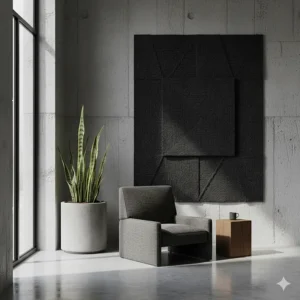
Greenery transforms brutalist interiors from stark to sophisticated. Large-scale plants like fiddle leaf figs or rubber trees complement substantial furniture without looking insignificant. The organic forms and vibrant greens contrast beautifully with geometric furniture and industrial materials. Consider architectural plant stands—perhaps in metal or concrete—that echo your furniture’s aesthetic.
Oversized artwork suits brutalist furniture’s substantial scale. Small prints look lost above chunky concrete tables or steel shelving. Instead, opt for large-format pieces or sculptural elements that match your furniture’s confident presence. Abstract art often works particularly well, echoing brutalist architecture’s geometric forms.
Books displayed on brutalist shelving become decorative elements themselves. Arrange by color for graphic impact, or stack horizontally to create varied heights and rhythms. The combination of industrial shelving and organic paper creates pleasant material contrast while adding lived-in warmth.
Brutalist Furniture for Different Rooms
Living Room Applications
Living rooms provide ideal showcases for brutalist coffee tables, which become conversational centerpieces both literally and figuratively. Position substantial concrete or steel tables centrally, allowing access from surrounding seating while maintaining clear circulation paths. The table’s heft anchors the room, preventing the floating, undefined feeling some modern spaces develop.
Brutalist shelving units replace traditional bookcases beautifully in living spaces. Open steel shelving displays books, plants, and decorative objects while maintaining that desirable industrial aesthetic. Unlike closed cabinets, open shelving keeps rooms feeling spacious—important when furniture pieces themselves are visually substantial.
Seating in brutalist living rooms benefits from mixing aesthetics. All brutalist chairs can feel cold and uninviting, but one or two statement pieces mixed with upholstered options creates balanced, comfortable spaces. Consider a brutalist steel accent chair paired with a plush sofa—the contrast highlights both pieces’ unique qualities.
Media consoles in brutalist style solve the eternal problem of technology storage. Steel and concrete pieces with clean lines accommodate electronics without the precious, furniture-store feeling of traditional entertainment centers. The industrial aesthetic actually complements modern tech better than ornate traditional cabinets.
Dining Space Ideas
Brutalist dining tables make bold statements that set entire rooms’ tones. Substantial concrete or thick wood tables communicate permanence and gravitas—these aren’t tables you replace every few years. The weight alone encourages gathering, creating psychological gravity that draws people together for meals and conversation.
Mixing chair styles around brutalist tables prevents monotony. While matching sets have their place, combining different brutalist designs creates visual interest. Try pairing metal industrial chairs with one upholstered bench—the variety feels curated rather than accidentally mismatched.
Lighting over brutalist dining tables requires particular attention. Industrial pendant lights with exposed bulbs complement the aesthetic beautifully, but ensure they provide adequate illumination without creating harsh shadows. Consider dimmer switches that let you adjust ambiance from bright task lighting during meals to softer evening entertaining modes.
Accessories in brutalist dining spaces should embrace simplicity. Minimal table settings—perhaps in matte ceramics or simple glassware—respect the furniture’s strong presence. Avoid fussy centerpieces that compete with the table itself. A single sculptural element or simple greenery often suffices.
Home Office Solutions
Brutalist desks provide distraction-free work surfaces that encourage focus. The substantial construction and minimal ornamentation eliminate visual clutter, creating environments conducive to concentration. Unlike ornate traditional desks or overly clever modern designs with endless features, brutalist work surfaces simply provide solid platforms for productivity.
Industrial shelving serves home offices brilliantly, offering flexible storage that adapts as needs change. Adjustable shelves accommodate everything from books to equipment, while the open design prevents that closed-in feeling some home offices develop. The utilitarian aesthetic reminds you this is a workspace, helping maintain professional mindset.
Combining brutalist furniture with ergonomic necessities requires creativity. Your industrial steel desk might look amazing, but you still need comfortable seating and proper lighting. Look for ergonomic task chairs with industrial aesthetics—leather and chrome designs bridge the gap between comfort and style. Similarly, adjustable task lighting with minimal designs provides needed illumination without clashing aesthetically.
Cable management becomes more visible with open brutalist furniture, requiring intentional solutions. Use metal cable trays that complement your furniture’s industrial aesthetic, or embrace cables as design elements, routing them neatly along desk legs or shelf supports. The honest, functional approach actually aligns with brutalist philosophy.
❓ FAQ: Your Brutalist Furniture Questions Answered
❓ Is brutalist furniture comfortable for daily use?
❓ How much does quality brutalist furniture typically cost?
❓ Can brutalist furniture work in small apartments?
❓ Does concrete furniture stain easily?
❓ Where can I find authentic vintage brutalist furniture?
Conclusion: Embracing Brutalist Design
Brutalist furniture represents more than a passing trend—it’s a return to honest design principles that value authenticity over pretense. These bold, substantial pieces challenge our assumptions about what furniture should look like, encouraging us to appreciate raw materials and exposed construction. In a world of mass-produced sameness, brutalism offers refreshing individuality.
The beauty of brutalist furniture lies in its longevity. Unlike trendy pieces that quickly date themselves, well-chosen brutalist items transcend temporary fashion. That concrete coffee table or steel shelving unit you purchase today will remain stylistically relevant decades from now, representing timeless investment in quality and aesthetics. Moreover, the durable construction means these pieces physically last generations, making them sustainable choices in our disposable culture.
Starting your brutalist furniture journey doesn’t require wholesale room renovations. Begin with one statement piece that speaks to you—perhaps a concrete side table or industrial shelving unit. Live with it, observe how it transforms your space, and let that experience guide future additions. The most successful brutalist interiors develop organically over time rather than being installed all at once.
Remember that brutalism, at its heart, celebrates honesty and functionality. Your space should reflect your authentic lifestyle rather than mimicking magazine spreads. If that means adding soft cushions to industrial chairs or placing family photos on steel shelving, embrace it. The best brutalist interiors blend raw architectural drama with lived-in warmth, creating spaces that look impressive yet feel like home.
🏆 Transform Your Space Today
✨ Don’t wait to experience how brutalist furniture can revolutionize your home. Click on any highlighted product above to secure exclusive deals while they’re still available. Your future self will thank you for investing in pieces that grow more beautiful with time! 🛋️✨
Recommended for You
- Metal Bar Furniture: 7 Stunning Pieces That Transform Spaces
- Maple Kitchen Furniture: 7 Stunning Pieces to Transform Your Home
- Farmhouse Table Furniture: 7 Best Picks That Transform Homes 2025
Disclaimer: This article contains affiliate links. If you purchase products through these links, we may earn a small commission at no additional cost to you.
✨ Found this helpful? Share it with your friends! 💬🤗
