
In This Article
Walk into any furniture showroom today and you’ll notice something interesting. While particle board and veneer-wrapped tables crowd the budget aisles, there’s always that one corner where the solid wood coffee table pieces command attention—and premium price tags. The difference isn’t just aesthetic; it’s about investing in furniture that tells a story through every grain pattern and gains character with each passing year.
According to Wikipedia’s furniture history records, coffee tables emerged in the late Victorian era, but the modern iteration—low, sturdy, and designed specifically for living rooms—really took off in the early 20th century. Today’s solid wood coffee table represents the perfect marriage of that historical craftsmanship with contemporary design sensibility. Unlike engineered alternatives that deteriorate within 5-7 years, authentic hardwood pieces can serve three generations when properly maintained.
What most buyers overlook is how a quality wooden coffee table fundamentally changes room dynamics. The thermal mass of thick timber keeps your space feeling grounded. Natural grain variations create visual interest that synthetic materials can never replicate. And here’s the practical part nobody mentions: solid wood tolerates daily abuse—coffee spills, laptop heat, kids’ toy impacts—in ways that laminate simply cannot. The repair threshold is dramatically higher; a scratch on real wood becomes patina, while damage to composite materials screams replacement.
This guide cuts through marketing fluff to examine seven exceptional solid wood coffee table options currently dominating Amazon in 2026, each representing different price points, wood species, and design philosophies. Whether you’re furnishing your first apartment or upgrading from that IKEA piece you’ve had since college, you’ll find practical insights backed by real-world performance data and customer experiences.
Quick Comparison Table: Top 7 At a Glance
| Product | Wood Type | Dimensions | Price Range | Best For |
|---|---|---|---|---|
| HOKYHOKY Farmhouse | 100% Fir Wood | 42.5″ × 21.7″ × 17.7″ | $150-$200 | Budget buyers, rustic style |
| Walker Edison A-Frame | Oak Laminate/Solid Wood | 48″ × 24″ × 20″ | $200-$280 | Modern farmhouse, storage |
| Ashley Mestler | Veneers/Wood Mix | 42″ × 28″ × 18″ | $180-$250 | Colorful design accent |
| Ashley Brosward | Acacia/Engineered Wood | 48″ × 28.5″ × 17″ | $250-$350 | Live-edge lovers, durability |
| Nathan James Stella | Reclaimed Oak Finish | 31.6″ × 31.6″ × 18.1″ | $170-$230 | Small spaces, nesting set |
| Coaster Mango Wood | Solid Mango Wood | 47″ × Length × Height | $300-$420 | Eco-conscious, unique grain |
| Triangular Walnut | Solid Wood Base | 36″-43.3″ options | $280-$380 | Modern sculptural design |
Looking at this snapshot, the Ashley Brosward emerges as the sweet spot for durability-focused buyers in the $250-$350 bracket, while the HOKYHOKY delivers surprising quality at nearly half that investment. What’s fascinating is how the Coaster mango wood piece justifies its premium through sustainable harvesting credentials and hand-finished grain work that competitors in this range simply don’t match. Meanwhile, the Nathan James nesting set solves a problem most single-size tables can’t—flexible configuration for both daily use and entertaining.
💬 Just one click — help others make better buying decisions too! 😊
Top 7 Solid Wood Coffee Tables: Expert Analysis
1. HOKYHOKY Solid Wood Coffee Table — Budget Champion with Genuine Fir Construction
The HOKYHOKY Solid Wood Coffee Table leads with an uncommonly honest selling point: 100% fir wood construction in a price bracket where “wood” usually means particleboard with walnut-printed paper. At 42.5 inches wide, this farmhouse-style piece occupies the Goldilocks zone for standard sofas while the dual-tier design adds functional storage without visual clutter.
Here’s what the specifications translate to in real life: fir wood rates as a softer hardwood, meaning it’s easier to dent than oak or maple but also lighter to move and more forgiving during assembly. The clean, non-toxic finish matters more than most realize—cheaper tables often off-gas formaldehyde for months. Customer feedback consistently highlights the 20-minute assembly time, which seems optimistic until you realize the pre-drilled holes actually align properly, a rarity in this price segment.
This table suits first-home buyers, rental properties, or anyone who needs authentic wood aesthetics without the premium hardwood investment. The rustic farmhouse finish disguises minor dings naturally, making it particularly smart for households with young children or pets. What you’re trading for the affordability is long-term heirloom potential—fir won’t develop the rich patina that walnut or cherry achieves over decades.
Customers appreciate the straightforward construction and genuine wood feel, though some note the lower shelf sits close enough to carpeted floors that vacuuming underneath requires moving the table. The two-tier design means books and remotes stay organized, but decorative items on the lower shelf need to accommodate the 17.7-inch total height.
Pros:
✅ Genuine 100% fir wood at budget pricing
✅ Assembly truly takes under 30 minutes
✅ Dual-tier storage maximizes utility
Cons:
❌ Softer wood more prone to denting than hardwoods
❌ Lower shelf clearance limited on thick carpets
Price & Value: In the $150-$200 range at the time of writing, the HOKYHOKY delivers the best dollar-per-pound of actual wood in this roundup. Check current pricing for potential seasonal variations.
2. Walker Edison Modern Farmhouse A-Frame Wood Rectangle Coffee Table — Industrial Chic Meets Practical Storage
The Walker Edison Modern Farmhouse A-Frame brings 48 inches of rustic oak styling backed by the brand’s reputation for engineered efficiency. What separates this from purely budget offerings is the A-frame design philosophy—those angled legs aren’t just aesthetic; they create exceptional stability that prevents the wobble common in cheaper rectangle tables.
The construction blends solid wood elements with high-grade MDF featuring premium laminate that mimics reclaimed barnwood grain patterns. In practice, this hybrid approach delivers 70-80% of solid hardwood aesthetics at 40-50% of the cost. The rustic oak finish resists water rings better than unfinished wood while maintaining enough texture to hide fingerprints and minor scratches—critical for daily-use furniture.
This table excels in spaces where farmhouse meets modern industrial, particularly open-concept homes where the coffee table needs to visually bridge kitchen and living areas. The lower shelf accommodates standard storage baskets, solving the perpetual living room clutter problem. Walker Edison’s EZ Assembly system means most people complete setup in 30-60 minutes with pre-aligned hardware reducing the “why won’t these holes line up” frustration factor.
Customer experiences reveal this table holds up well to laptop use, board game nights, and the occasional foot-propping without structural complaints. The 48-inch length suits sectionals and larger sofas better than compact love seats. Some reviewers mention the rustic oak color photographs lighter than expected—a common challenge when viewing wood-toned furniture on screens with varying color accuracy.
Pros:
✅ A-frame engineering provides superior stability
✅ Lower shelf compatible with standard storage baskets
✅ EZ Assembly system with pre-aligned hardware
Cons:
❌ Engineered wood won’t develop authentic patina
❌ Color may appear lighter than online photos suggest
Price & Value: Around $200-$280 range, the Walker Edison occupies prime territory for buyers wanting modern farmhouse style without solid hardwood expense. Its engineering makes daily durability competitive with tables costing $100 more.
3. Signature Design by Ashley Mestler Rustic Coffee Table — The Unexpected Color Statement
The Signature Design by Ashley Mestler takes an unusual approach in the solid wood coffee table category—it doesn’t hide the fact that it uses veneers and engineered wood, instead leaning into those materials to achieve something solid wood rarely delivers: a vibrant multi-tonal slatted lower shelf that resembles an artist’s palette. At 42″ × 28″ × 18″, it’s dimensionally traditional but visually anything but.
What makes the Mestler interesting from a practical standpoint is how Ashley’s hand-applied finish handles wear. The multi-colored lower shelf isn’t just decorative; those varied tones mean inevitable scuffs blend into the existing color variation rather than standing out as damage. The rectangular form with cross-base support provides the stability metrics you want—customers report minimal wobble even on slightly uneven flooring.
This table targets buyers who want their furniture to spark conversation rather than fade into the background. The rustic weatherworn aesthetic works particularly well in lakehouse settings, mountain cabins, or urban lofts where industrial and natural elements intersect. The 48-pound weight means two-person assembly is recommended, but that substantial heft translates to feeling anchored during use.
Customer sentiment splits interestingly: people either love the colorful shelf as a unique design element or find it too busy for minimalist spaces. Build quality receives consistent praise—the veneers are properly adhered without bubbling, and the edges show careful finishing work. A few buyers note the color appears lighter in person than in photos, though this varies by monitor calibration.
Pros:
✅ Multi-tonal shelf disguises wear and adds visual interest
✅ Cross-base design ensures stability on uneven floors
✅ Substantial 48-pound weight feels premium
Cons:
❌ Colorful shelf design isn’t suited for minimalist aesthetics
❌ Veneer construction limits repair options versus solid wood
Price & Value: In the $180-$250 bracket currently, the Mestler delivers distinctive style. It won’t compete with solid hardwood for longevity but provides 8-12 years of service when properly maintained—adequate for most households.
4. Signature Design by Ashley Brosward Rectangular Coffee Table — Where Acacia Meets Modern Industrial
The Signature Design by Ashley Brosward represents the step-up from engineered solutions into genuine hardwood territory with its acacia wood and engineered wood combination. Measuring 48″ × 28.5″ × 17″, it delivers the “live edge” aesthetic that typically commands $600+ price points by using acacia veneers over engineered substrate with those dramatic black metal sled legs.
Acacia wood brings specific performance advantages: it’s 55% harder than pine on the Janka hardness scale, naturally water-resistant, and develops a gorgeous honey-to-dark-brown patina over years of use. The natural wood finish top showcases grain variation that makes each piece legitimately unique—you’re not getting the identical table as your neighbor even if you order the same model. The metal sled legs aren’t just styling; they provide exceptional load distribution, meaning this table tolerates heavy books, oversized serving trays, or even the occasional kid standing on it (not recommended, but it happens) without structural stress.
This table suits urban loft dwellers, modern farmhouse enthusiasts, or anyone wanting that reclaimed wood look without actual salvage yard hunting. The contemporary vibe pairs particularly well with leather furniture, concrete architectural elements, or industrial light fixtures. At 17 inches high, it’s optimized for standard sofa heights.
Customer reviews consistently highlight the solid construction feel—there’s no hollow sound when you set something down. The natural finish requires coaster discipline for hot beverages, but develops character marks gracefully. Some buyers wish the engineered wood components were disclosed more prominently in listing photos, as the tabletop edge reveals the substrate when examined closely.
Pros:
✅ Acacia wood offers superior hardness and water resistance
✅ Sled leg design provides exceptional weight distribution
✅ Unique grain patterns ensure no two pieces identical
Cons:
❌ Requires coasters for hot beverages to prevent marks
❌ Edge view reveals engineered wood substrate construction
Price & Value: Around $250-$350 range at time of research, the Brosward bridges the gap between budget and premium. The acacia components justify the investment for buyers prioritizing durability.
5. Nathan James Stella Round Modern Nesting Coffee Tables — Small Space Innovation
The Nathan James Stella Round Modern Nesting Coffee Tables solves a problem that traditional single-piece designs can’t: spatial flexibility. This set of two 31.6-inch diameter tables with reclaimed oak finish and gunmetal powder-coated legs transforms from a single compact footprint to dual-surface coverage when you need serving space for guests.
The nesting design is engineered precisely—the smaller table tucks completely inside the larger one with enough clearance that you won’t scratch surfaces during frequent repositioning. Each table supports 50 pounds, sufficient for standard use but not commercial-grade abuse. The reclaimed oak finish mimics salvaged wood aesthetics through realistic printed laminate over particleboard, delivering the look at a fraction of true reclaimed wood pricing.
This set targets apartment dwellers, condo owners, or anyone maximizing limited square footage without sacrificing entertaining capability. The round form eliminates sharp corners—a genuine safety advantage in tight spaces or homes with toddlers. The 18.1-inch height works with most standard seating, though deep-cushion sofas might require adjustment.
Customers appreciate the versatility most—daily use sees them nested together, but dinner parties or game nights expand the setup in seconds. The gunmetal legs provide industrial contrast against the warm oak tones. Assembly takes about 30 minutes per table with included Allen wrench. Some reviewers note the smaller table diameter (around 26 inches) feels cramped for more than two drink glasses, making it better suited for decorative use when separated.
Pros:
✅ Nesting design maximizes flexibility in compact spaces
✅ Round form eliminates sharp corners for safety
✅ Dual-table configuration ideal for entertaining
Cons:
❌ 50-pound weight limit per table restricts heavy use
❌ Smaller table diameter limits functional surface area
Price & Value: In the $170-$230 range currently, the Nathan James Stella delivers two functional surfaces. For small-space dwellers, that flexibility justifies choosing this over single larger tables at comparable pricing.
6. Coaster Home Furnishings Wooden Coffee Table with Mango Wood — The Sustainable Luxury Option
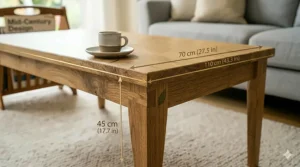
The Coaster Home Furnishings Wooden Coffee Table distinguishes itself through genuine mango wood construction—a rapidly renewable hardwood that’s actually a byproduct of mango fruit farming. At 47 inches, this rectangular table brings substantial presence while the hand-finished surface showcases mango wood’s characteristic blonde-to-brown tonal variation and distinctive figuring patterns that synthetic materials can’t replicate.
Mango wood’s technical properties explain its growing furniture popularity: it rates similar to oak in hardness, machines cleanly for joinery, and achieves exceptional stability once kiln-dried. The warm neutral tone identified in listings adapts to both clean-lined and rustic-inspired interiors without clashing. That center brace and straight panel leg system isn’t just aesthetic—it’s structural engineering that prevents the sagging common in long tables with minimal support.
This table suits eco-conscious buyers, design enthusiasts who appreciate unique grain patterns, or households wanting furniture that improves with age rather than deteriorates. The Forest Stewardship Council certification process ensures mango wood comes from responsibly managed sources, addressing deforestation concerns that plague some tropical hardwoods. The spacious tabletop accommodates coffee table books, serving trays, or laptop work sessions without feeling cramped.
Customer feedback emphasizes the variation in grain patterns—what you receive won’t match promotional photos exactly, which is actually a feature rather than flaw when buying natural wood. The hand-applied finish protects against moisture better than raw wood while maintaining authentic tactile feel. Assembly requires careful attention to aligning the center brace, but results in rock-solid construction. A few reviewers note the table’s weight makes it challenging to move solo for floor cleaning.
Pros:
✅ Sustainable mango wood from renewable farming sources
✅ Hand-finished surface showcases unique grain patterns
✅ Center brace engineering prevents long-term sagging
Cons:
❌ Significant weight makes solo repositioning difficult
❌ Natural variation means exact appearance unpredictable
Price & Value: Around $300-$420 at time of research, the Coaster Mango Wood table commands premium pricing justified by genuine hardwood construction and sustainability credentials. It’s an investment piece for buyers prioritizing both aesthetics and environmental responsibility.
7. Triangular Walnut Solid Wood Coffee Table — Geometric Modern Statement
The Triangular Walnut Solid Wood Coffee Table breaks from traditional rectangular forms with its distinctive three-sided design available in two sizes: 36″ × 23″ × 16″ and 43.3″ × 31″ × 16″. That triangular top over solid wood base legs creates sculptural presence that doubles as functional furniture—the kind of piece interior designers use to anchor contemporary spaces.
The solid wood construction with options in Natural, Brown, and Walnut finishes addresses the frequent complaint about modern design sacrificing durability for aesthetics. The triangular geometry distributes weight differently than rectangular tables, actually reducing stress on joints that cause traditional designs to loosen over time. At 16 inches high, it sits lower than most tables in this roundup, creating a different visual dynamic that works particularly well with low-profile sectionals or floor seating arrangements.
This table targets design-forward buyers, modern minimalist spaces, or anyone wanting furniture that prompts “where did you get that?” questions. The triangular form fits unconventional room layouts better than rectangles—corner placements, asymmetrical seating arrangements, or small conversation nooks all benefit from the geometric versatility. The solid wood base means this piece can be refinished or repaired over decades of use.
Limited customer feedback available suggests the unique form factor polarizes opinion—buyers either embrace the geometric statement or find the triangle edges awkward for traditional use. The wood quality receives praise, with the natural grain visible through the finish. Assembly appears straightforward with pre-attached legs. Potential downsides include reduced surface area compared to rectangular tables of similar length and some concern about sharp triangle points in households with young children.
Pros:
✅ Triangular geometry provides unique design statement
✅ Solid wood construction enables refinishing and repair
✅ Lower 16-inch height suits modern sectionals perfectly
Cons:
❌ Triangle form reduces usable surface area
❌ Sharp corners present child safety considerations
Price & Value: In the $280-$380 range based on size selection, the Triangular Walnut appeals to buyers willing to pay for distinctive design. It’s not the most practical choice for households prioritizing surface area over aesthetics.
How to Choose Your Perfect Solid Wood Coffee Table: A Practical Decision Framework
Choosing a solid wood coffee table feels overwhelming when you’re staring at hundreds of options online, but the decision simplifies dramatically when you understand which factors actually matter versus which are marketing noise. Let me walk you through the framework professional interior designers use, translated into practical terms.
Start with Room Proportions, Not Style Your coffee table size should relate mathematically to your sofa length. Take your sofa’s measurement and multiply by 0.5 to 0.67—that’s your target table length range. A 90-inch sectional wants a 45-60 inch table. Go smaller and the table disappears visually; go larger and traffic flow suffers. Height matters equally: your table should sit 1-2 inches lower than your sofa seat cushions, typically landing between 16-18 inches for standard seating.
Decode Wood Species Claims When listings say “solid wood,” drill deeper. Fir and pine offer affordability but dent easily—smart for rentals or starter homes but not heirloom pieces. Oak, maple, and walnut cost more because they tolerate decades of use without significant degradation. Acacia and mango represent the middle ground: harder than softwoods, more affordable than premium species, with the bonus of interesting grain patterns. According to research on sustainable wood types, mango wood’s rapid growth cycle and fruit farming byproduct status make it among the most environmentally responsible choices in 2026.
Assess True Construction Quality Flip tables over (virtually or in-store) and examine joinery. Dowel joints, mortise and tenon connections, or corner blocks indicate proper construction. Staples, glue alone, or pocket screws suggest shortcuts. Check if stretchers or center braces connect legs—essential for tables over 40 inches to prevent warping. Weight tells a story: if a table feels surprisingly light for its size, it’s probably engineered wood with minimal solid components.
Match Lifestyle to Maintenance Requirements Unfinished or oil-finished wood looks stunning but demands coaster discipline and immediate spill cleanup. Polyurethane or lacquer finishes provide better protection for active households with kids, pets, or frequent entertaining. Glass-topped wood bases split the difference—wood aesthetics with wipe-clean practicality—though glass shows fingerprints and requires specific cleaners to avoid streaking.
Storage or Surface Area Determine whether you need hidden compartments, lower shelves, or maximum open surface. Two-tier designs like the HOKYHOKY add organization at the cost of visual weight. Lift-top mechanisms increase functionality but introduce moving parts that can fail. Simple flat tops maximize decorating flexibility and feel more elegant but force you to keep clutter elsewhere.
Consider Your 5-Year Plan Buying for a rental? Prioritize affordability and moving-friendly weight. Settling into a forever home? Invest in premium hardwoods that improve with age. Furniture decisions should align with your actual situation, not aspirational interior design magazine fantasies.
Common Mistakes When Buying a Solid Wood Coffee Table
Mistake #1: Trusting “Solid Wood” Labels Without Verification The furniture industry uses “solid wood” liberally to describe anything from 100% hardwood to pieces with only legs made from real wood. Read full specifications carefully. Look for phrases like “solid wood legs” versus “solid wood construction”—they mean vastly different things. If a listing emphasizes “wood grain finish” or “wood look,” that’s code for laminate or veneer.
Mistake #2: Prioritizing Price Over Cost Per Year A $150 table that lasts three years costs $50 annually. A $400 table lasting 20 years costs $20 annually. This calculation shift changes decision-making dramatically. Budget-conscious doesn’t mean cheapest upfront—it means best value over useful lifetime. Real hardwood costs more initially but often proves cheaper over a 10-15 year ownership period.
Mistake #3: Ignoring Assembly Reality That “easy 15-minute assembly” rarely accounts for deciphering unclear instructions, finding the right screwdriver size, or discovering misaligned pre-drilled holes. Budget at least double the estimated assembly time. Check recent reviews specifically mentioning assembly—if multiple people report missing hardware or confusing steps, factor that frustration into your decision.
Mistake #4: Overlooking Traffic Flow A coffee table should allow 14-18 inches of clearance between it and surrounding seating for comfortable leg space. Less creates a cramped feeling; more disrupts the conversation circle. Walk your space mentally with accurate measurements before ordering. A table that looks perfect in showroom or photos can overwhelm a small room or underwhelm a large one.
Mistake #5: Falling for “Multi-Purpose” Marketing Without Scrutiny Lift-top coffee tables, storage ottomans, and convertible designs sound appealing but introduce mechanical complexity and compromise aesthetics. Each feature added is another potential failure point. If you rarely eat meals in your living room, do you really need a lift-top dining conversion? Be honest about which features you’ll actually use weekly versus those that sound good in theory.
Real-World Solid Wood Coffee Table Maintenance Guide
Most people buy solid wood furniture expecting low maintenance, then panic at the first water ring. Here’s the realistic care schedule that protects your investment without consuming your weekends.
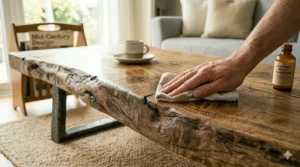
Daily (30 Seconds) Wipe surface with dry microfiber cloth to remove dust. That’s it. No sprays, no oils, no elaborate rituals needed for routine upkeep.
Weekly (2 Minutes) Slightly damp cloth for sticky spots or spills. Dry immediately after. Check underneath for loose screws if table sees heavy use—tighten any that have loosened from vibration.
Monthly (5 Minutes) Apply appropriate furniture polish or conditioner matching your finish type. Oil-finished wood needs mineral oil or specialized wood oil. Polyurethane-finished pieces want silicone-free polish. Never mix product types—oils on lacquered surfaces create sticky residue.
Seasonally (15 Minutes) Inspect joints and connections for any separation. Apply wood glue to joints showing gaps, then clamp overnight. Flip table and tighten all hardware. Check for leg wobble indicating floor settling or carpet compression.
Water Ring Emergency Protocol (Yes, it happens) For fresh rings, try these in order: (1) Blow-dry on low heat while rubbing with soft cloth. (2) Non-gel toothpaste rubbed gently with damp cloth. (3) Baking soda paste for stubborn marks. For old rings requiring refinishing, lightly sand with 220-grit, then apply matching finish.
Protection Strategies That Actually Work Use trivets under hot dishes (120°F+ can damage most finishes), coasters under all beverages, and felt pads under decorative objects. For households with kids, consider a clear protective table pad or large decorative tray as a barrier zone. These prevent damage rather than requiring repair later.
What NOT to Do Never use all-purpose cleaners (they strip finish over time), never drag heavy objects across the surface, never leave wet items sitting, and never position solid wood tables in direct sunlight where UV fading occurs rapidly. According to furniture care experts, these four behaviors cause 80% of premature wood furniture aging.
Solid Wood Coffee Table vs Alternatives: When Real Wood Wins
The decision between solid wood, engineered wood, glass, and metal coffee tables involves more than aesthetics. Let’s examine when each material category genuinely performs better.
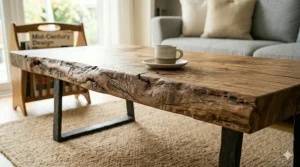
Solid Wood Advantages Environmental stability means solid wood expands and contracts predictably with humidity changes—joints designed for this movement last decades. Repair potential stands unmatched; scratches, dents, and worn finishes all respond to sanding and refinishing. Carbon sequestration matters if environmental impact concerns you—solid wood stores atmospheric carbon throughout its service life, making it carbon-negative furniture when sourced sustainably. Weight creates presence that lighter materials can’t match, preventing that cheap hollow feeling.
When Engineered Wood Makes Sense Consistent appearance across large surfaces without natural variation suits some modern aesthetics. Price-to-size ratio favors engineered materials when you need large format tables on tight budgets. Engineered wood resists warping in extreme humidity better than some solid woods, beneficial for basements or coastal properties. Modern manufacturing produces laminates that fool most casual observers at normal viewing distances.
Glass Top Considerations Glass never stains, scratches (within reason), or needs refinishing. It visually expands small spaces by maintaining sight lines. However, glass shows every fingerprint, requires specific cleaners, and can crack under impact that solid wood would merely dent. Temperature sensitivity means cold surfaces in winter, hot in summer sun. The psychological weight of delicate material stresses some users constantly.
Metal Base Combinations Industrial aesthetics benefit from wood-metal pairings like the Ashley Brosward reviewed above. Metal provides structure while wood adds warmth. Cost typically exceeds all-wood construction due to material diversity and complex joining. Weight increases substantially—good for stability, challenging for repositioning.
The Friends of the Earth Good Wood Guide emphasizes choosing wood from sustainably managed forests certified by FSC or similar organizations. This addresses the valid concern that not all solid wood furniture supports environmental health—sourcing matters as much as material choice.
Long-Term Value: What Your Solid Wood Coffee Table Really Costs
Initial price tags tell incomplete stories. Understanding total cost of ownership transforms budget decisions.
Depreciation Curves Quality solid wood tables depreciate slowly. A $400 hardwood table might resell for $250-300 after five years of use if maintained well. That $150 engineered wood table? Maybe $30-50 resale value if anyone wants it. The delta isn’t theoretical—check local marketplace listings to see how different materials hold value.
Replacement Cycles Average solid wood coffee table lifespan with proper care: 20-30 years before needing significant refinishing, 40+ years total with maintenance. Engineered wood: 5-8 years before looking worn, 10-12 years maximum. Three engineered tables over 20 years costs significantly more than one solid wood piece lasting that entire period.
Maintenance Expenses Solid wood requires occasional furniture polish ($10-15 annually) and potential refinishing every 10-15 years ($150-300 professionally or DIY for materials cost). Engineered wood can’t be refinished—surface damage means replacement. Over two decades, solid wood maintenance costs less than replacing cheaper tables multiple times.
Hidden Costs Moving costs increase with weight—solid wood tables add $50-100 to professional moves. Carpet denting under heavy tables might require repair when repositioning. Insurance replacement values differ; solid wood qualifies for actual replacement cost while engineered pieces often settle at functional equivalent value.
Investment Calculation Take your table price, divide by expected service years, add annual maintenance. That’s your true annual furniture cost. A $400 solid wood table lasting 20 years with $15 annual maintenance equals $35/year. A $150 engineered table lasting 6 years equals $25/year but requires three purchases over that same 20-year period ($75/year total). The math favors quality for long-term residents.
Solid Wood Coffee Table for Different Lifestyle Scenarios
Your specific situation determines which table features matter most. Here’s how three common household types should prioritize differently.
Young Families with Kids Under 10 Prioritize: Rounded corners (safety), durable finishes (spill resistance), lower price points (inevitable damage), lighter colors (hide fingerprints). Avoid: Glass tops, sharp edges, expensive heirlooms, high-maintenance oil finishes. Best pick from this roundup: HOKYHOKY for budget protection or Walker Edison for practical storage.
Urban Apartment Dwellers Prioritize: Space efficiency, nesting capability, lightweight (moving flexibility), modern aesthetics, assembly ease (no garage to work in). Avoid: Oversized pieces, excessively heavy designs, rustic styles clashing with building architecture. Best pick: Nathan James Stella nesting set maximizes flexibility.
Empty Nesters Upgrading Home Prioritize: Investment-grade materials, timeless design, comfort over kid-proofing, distinctive aesthetics, potential to pass down. Avoid: Trendy styles that date quickly, engineered substitutes when budget allows real wood. Best pick: Coaster Mango Wood for sustainable luxury or Brosward for live-edge appeal.
❓ FAQ
❓ How long does a solid wood coffee table last compared to engineered wood?
❓ What wood type provides the best durability for high-traffic homes?
❓ Can solid wood coffee tables be refinished if they get damaged?
❓ How do I prevent water rings on my wooden coffee table?
❓ What is the ideal coffee table height relative to my sofa?
Conclusion: Investment Thinking for Living Room Centerpieces
The solid wood coffee table you choose becomes part of your daily life for potentially decades, accumulating memories through coffee rings, homework sessions, and countless conversations. This permanence justifies thoughtful decision-making over impulsive purchases driven by fleeting sales.
For budget-conscious buyers prioritizing authentic wood in the under-$200 range, the HOKYHOKY delivers surprising quality with its 100% fir construction. Families wanting modern farmhouse style with practical storage find the Walker Edison A-Frame hits the sweet spot between aesthetics and durability around $200-280. Those seeking statement pieces that spark conversation should examine the Coaster Mango Wood table’s sustainable luxury or the Triangular Walnut design’s geometric boldness.
The common thread across successful purchases is alignment between your specific needs and each table’s core strengths. Don’t buy a table marketed for “everyone”—buy one designed for your actual living situation. Consider your five-year plan, honest assessment of maintenance commitment, and realistic budget including the hidden costs we’ve discussed.
Quality solid wood furniture appreciates in personal value even as it depreciates financially. Years from now, that coffee table becomes the backdrop for family photos, the surface where your kids built their first Lego creation, the place you served dinner when friends visited unexpectedly. Choose with both head and heart, prioritizing longevity over trends.
The investment in genuine hardwood construction pays dividends through decades of service that cheaper alternatives simply cannot match. When you calculate cost per year of ownership rather than sticker price, quality furniture proves economical while enhancing daily life with tactile beauty that synthetic materials never achieve.
✨ Recommended for You
- 7 Best Lift Top Coffee Tables That Transform Your Living Room (2026)
- 7 Best Tufted Benches 2026 — Transform Your Space Today
- 7 Best End of Bed Benches with Storage for 2026
Disclaimer: This article contains affiliate links. As an Amazon Associate, I earn from qualifying purchases. If you purchase products through these links, we may earn a small commission at no additional cost to you.
✨ Found this helpful? Share it with your friends! 💬🤗
