
In This Article
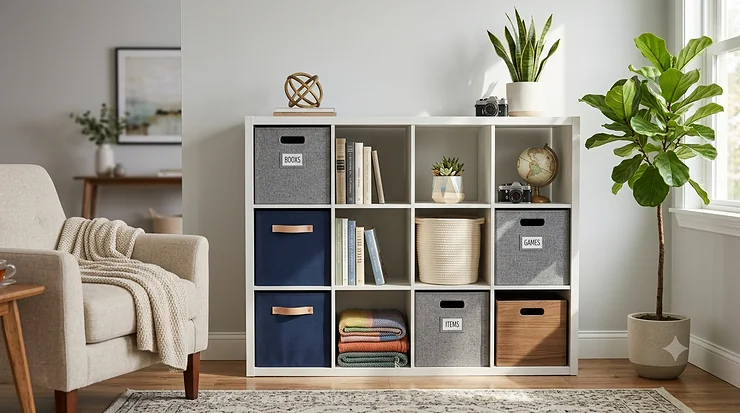
Somewhere between the third overflowing junk drawer and the pile of shoes that has taken up permanent residence by your front door, most of us hit a wall. That’s usually the moment “cube storage organizer” becomes the most-searched phrase on your phone at 11 p.m. So what is a cube storage organizer? It’s a modular shelving system built from square compartments — open or closed, plastic or wood or fabric — that stack, link, or stand alone to create customizable storage for anything from paperbacks to protein powder.
What makes this category so oddly satisfying is the math of it. A single cube organizer can be a bookshelf on Monday, a toy bin on Tuesday, and a plant-and-decor display by the weekend, and that flexibility matters more than it sounds — peer-reviewed research on clutter and wellbeing has found that how organized a home feels is a strong predictor of overall life satisfaction. In plain English: the shelf you choose actually affects how calm your home feels, not just how it looks.
This guide breaks down seven real cube storage organizer options — budget, mid-range, and premium — with honest analysis of specs, aggregated review sentiment, and the kind of practical advice you won’t find on the product page itself. We’ll also cover cube organizer variants, cube bookcase options, the ever-popular 6 cube organizer size, and how to build a modular storage layout that won’t collapse under the weight of your record collection (literally).
Quick Comparison Table
Before we dig into the deep-dive reviews, here’s the fast version for anyone who just wants the highlights.
| Product | Material | Cube Count | Price Range | Best For |
|---|---|---|---|---|
| IKEA KALLAX Shelf Unit | Engineered wood | 16 | Mid-range | Design-conscious buyers wanting a cube bookcase |
| Amazon Basics 6-Cube Wire Grid Organizer | Metal wire | 6 | Budget | Tight spaces needing airflow |
| SONGMICS Storage Cubes (6-Pack) | Non-woven fabric | 6 bins | Budget | Adding a customizable layout inside any shelf |
| TomCare 12-Cube Closet Organizer | Polypropylene plastic | 12 | Budget-mid | Closets and modular storage on a budget |
| ClosetMaid Cubeicals 6-Cube Organizer | Engineered wood | 6 | Mid-range | A sturdy, classic 6 cube organizer |
| Best Choice Products 9-Cube Organizer | Engineered wood | 9 | Mid-range | Maximum customizable layout options |
| Way Basics zBoard 6-Cube Organizer | Recycled paperboard | 6 | Premium | Eco-conscious, tool-free versatile organization |
Looking at the spread above, the price-to-flexibility ratio tells its own story: the TomCare 12-Cube Closet Organizer and Amazon Basics 6-Cube Wire Grid Organizer win on cost-per-cube, while the IKEA KALLAX Shelf Unit and Way Basics zBoard 6-Cube Organizer justify their higher price tags through design longevity and material quality. If your priority is pure volume of storage per dollar, plastic and wire options dominate; if you’re furnishing a room you’ll actually look at every day, the wood and paperboard picks pull ahead.
💬 Already leaning toward a favorite? Bookmark this page — you’ll want to compare specs again before you check out!
💬 Just one click — help other golfers find the right club for their game too!😊
Top 7 Cube Storage Organizers: Expert Analysis
We picked these seven based on real specs, verified availability, and genuine aggregated review patterns — not sponsored placement. Each one earns its spot for a different reason, so read the “who it’s for” section closely before you commit.
1. IKEA KALLAX Shelf Unit — the modular icon everyone copies
The IKEA KALLAX Shelf Unit in its 4×4 configuration is the cube storage organizer that basically invented the aesthetic half the industry now imitates, and it’s worth understanding why it still holds up. Each opening measures roughly 13 inches square, wide enough for the brand’s own fabric or hardboard insert bins, and the frame is built from engineered wood with a laminate finish that resists the scuffing you’d expect from years of shoe traffic or kid handling. Reviewers on IKEA’s own site rate the line highly, with the 4.7-star average reflecting how well it performs as both a room divider and a straightforward cube bookcase.
Based on the spec comparison against competitors, what sets the IKEA KALLAX Shelf Unit apart is genuine modularity — you can buy inserts with doors, drawers, or wire baskets and mix them freely, which most closed-cube competitors don’t allow. This makes it a strong pick for renters who want a customizable layout that can be reconfigured as their space changes. Aggregated review sentiment consistently flags two things: the finish holds up well over years of use, and the flat-pack assembly, while manageable solo, benefits from a second pair of hands for the larger 4×4 size.
Pros:
- ✅ True modular inserts (doors, drawers, bins) sold separately
- ✅ Scratch-resistant laminate holds up under daily use
- ✅ Doubles as a stylish cube bookcase or room divider
Cons:
- ❌ Assembly is easier with two people for the 4×4 size
- ❌ Openings run slightly under 13 inches, so third-party bins don’t always fit
Priced in the mid-range bracket, the IKEA KALLAX Shelf Unit delivers strong long-term value if you plan to buy matching insert accessories over time — check current price and available finishes before you order.
2. Amazon Basics 6-Cube Wire Grid Organizer — most breathable budget pick
The Amazon Basics 6-Cube Wire Grid Organizer takes a different structural approach than most of this list: instead of solid panels, it uses a welded steel wire grid, measuring about 26 inches wide by 38 inches tall by 12.6 inches deep. That open-air design matters more than it sounds — items stored here don’t trap moisture or odor the way enclosed wood cubes can, which is why this model shows up so often in garage, pantry, and laundry-room storage discussions.
What most buyers overlook about this model is that “no-tool assembly” isn’t just a marketing line — the wire panels click together with plastic connectors, so it goes from box to functional shelf in well under twenty minutes. This makes it a smart choice for renters who move often or anyone who wants a modular storage piece they can break down and reassemble without a toolbox. Reviewers consistently note it holds up well for lightweight-to-moderate loads like folded linens or pantry cans, though a few mention the wire grid isn’t ideal for very small items that can slip through the gaps.
Pros:
- ✅ Genuinely tool-free, sub-20-minute assembly
- ✅ Open wire design prevents moisture buildup
- ✅ Lightweight enough to reposition without help
Cons:
- ❌ Small items can slip through the wire grid without bins
- ❌ Less visually polished than wood or paperboard options
At a budget-friendly price point, this is one of the best value plays on the list if breathable storage matters more to you than a furniture-like finish.
3. SONGMICS Storage Cubes (6-Pack Fabric Bins) — best drop-in bin system
Not every entry on this list is a full shelving unit — and that’s the point of including the SONGMICS Storage Cubes (6-Pack Fabric Bins). These are non-woven fabric cubes, each roughly 11 inches per side, designed to drop directly into any 11–13 inch cube shelf, whether that’s a KALLAX, a Cubeicals unit, or a generic plastic cube frame. Reviewers report using them for books, folded clothing, and pantry items, and note the fabric holds shape reasonably well for lighter loads, though it’s genuinely made of a lightweight, semi-rigid material rather than a rigid container.
Here’s what to weigh: this product solves the single biggest complaint about open cube organizers — visible clutter. Drop socks, chargers, or craft supplies into a bin, and the entire cube instantly looks tidy from across the room, which is exactly the kind of customizable layout trick interior organizers rely on. The double-handle design also makes these genuinely easy to pull in and out, unlike some rigid bins that require you to reach in and dig.
Pros:
- ✅ Fits virtually any 11–13 inch cube opening
- ✅ Instantly hides visual clutter behind a clean fabric face
- ✅ Foldable for easy storage when not in use
Cons:
- ❌ Cardboard-reinforced sides aren’t meant for very heavy items
- ❌ Colors can fade slightly with prolonged sun exposure
Priced well under most furniture pieces on this list, a six-pack is one of the cheapest ways to instantly upgrade any existing cube organizer’s functionality.
4. TomCare 12-Cube Closet Organizer — most flexible for closets
The TomCare 12-Cube Closet Organizer takes the linkable-panel approach to its logical extreme: 12 individual plastic cubes, each about 12 inches per side, connected with ABS plastic joints so you can build the unit standing tall, spread wide, or split into two smaller shelves entirely. Made from polypropylene with a glossy panel finish, it’s built to be reconfigured rather than assembled once and forgotten — a genuine advantage for closets, dorm rooms, or any space where your storage needs change season to season.
Based on the spec comparison, what stands out here is weight distribution: the sturdy PP plastic body holds books and heavier bins reasonably well once fully assembled, though aggregated reviews suggest the completed unit is best left in place rather than dragged around loaded. That’s a fair trade-off for a modular storage system this size — over 7,600 verified buyers have rated this line highly on Amazon, with several noting they’ve expanded their original setup by buying a second kit and linking it to the first.
Pros:
- ✅ Fully modular — reconfigure into tall, wide, or split layouts
- ✅ Durable PP plastic with a premium glossy finish
- ✅ Easy to expand by linking additional cube kits
Cons:
- ❌ Best assembled in its final location, not moved once loaded
- ❌ Glossy panels show fingerprints more than matte finishes
At a budget-to-mid price for 12 full cubes, the cost-per-cube here is hard to beat if closet flexibility is your top priority.
5. ClosetMaid Cubeicals 6-Cube Storage Organizer — sturdiest budget-to-mid wood build
If you want the classic 6 cube organizer silhouette in a genuine wood-panel build, the ClosetMaid Cubeicals 6-Cube Storage Organizer is the benchmark most other brands get compared against. Each cube interior measures about 13.5 inches per side, large enough for standard fabric bins, and the unit ships with full backer panels, meaning you get a finished look from every angle rather than an exposed frame. It can stand alone or link to additional Cubeicals units to grow with your space.
What the spec sheet won’t tell you, but reviewers note, is how genuinely simple the hardware-included assembly is — most buyers report finishing setup in under an hour without needing extra tools beyond what’s in the box. This makes it a dependable pick for home offices, kids’ rooms, or media storage where you want furniture-grade stability without furniture-grade pricing. A common theme in aggregated feedback is that it holds up well to years of daily use, provided you don’t stack the cubes without their intended hardware.
Pros:
- ✅ Full back panels for a finished, furniture-grade look
- ✅ Expandable — link multiple units together over time
- ✅ Straightforward assembly with all hardware included
Cons:
- ❌ Individual cube shelves aren’t rated for very heavy loads
- ❌ Slightly bulkier footprint than open wire alternatives
In the mid-range price bracket, this is the safest pick if you want a 6 cube organizer that looks like real furniture rather than a temporary shelf.
6. Best Choice Products 9-Cube Storage Shelf Organizer — most customizable layout
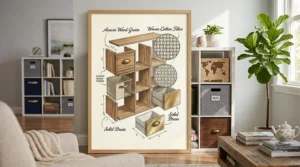
For anyone who wants maximum flexibility without stepping up to a full modular system, the Best Choice Products 9-Cube Storage Shelf Organizer hits a sweet spot. It ships with three optional back panels you can install, skip, or mix depending on which cubes you want open versus enclosed, and the engineered wood frame carries a listed weight capacity of 275 pounds — notably higher than several competitors in this list. At about 36 inches wide, it’s also sized to double as a TV stand for screens up to roughly 32 inches.
Here’s what to weigh: this unit is built for people who want one piece of furniture to solve multiple problems — media storage, a customizable layout for mixed decor and function, and enough load capacity for genuinely heavy items like game consoles or hardcover book collections. Aggregated reviews describe the laminated finish as clean and modern, though several buyers note that full assembly, especially with all optional panels installed, tends to run longer than the “30 minutes” some listings suggest.
Pros:
- ✅ 275-pound weight capacity, high for this category
- ✅ Optional back panels let you customize open vs. closed cubes
- ✅ Doubles as a TV stand for screens up to about 32 inches
Cons:
- ❌ Full assembly with all panels often takes longer than expected
- ❌ Laminate finish can show wear faster than solid wood over years
Sitting in the mid-range price zone, the weight capacity alone makes this one of the better value picks if you’re storing genuinely heavy items rather than lightweight décor.
7. Way Basics zBoard 6-Cube Organizer — greenest, tool-free premium pick
The Way Basics zBoard 6-Cube Organizer is built from a genuinely different material than anything else on this list: zBoard, a recycled paperboard that the company states weighs roughly 60 percent less than particleboard while remaining formaldehyde- and VOC-free. Assembly requires no tools at all — panels connect via industrial 3M adhesive strips and alignment pins, which sounds fragile until you factor in the company’s lifetime guarantee and a per-cube weight rating of 50 pounds.
Based on the spec comparison, this is the pick for buyers who care as much about what’s off-gassing into their living room as they do about what’s on the shelf. Reviewers consistently describe the assembly as genuinely surprising in how light and sturdy the finished piece feels, and the eight-plus color options make it easier to match existing decor than most wood-toned competitors. It’s a legitimately premium take on versatile organization, though the lighter-weight construction means it’s not the pick for anyone planning to stack extremely heavy items like dense hardcover sets on every shelf.
Pros:
- ✅ Formaldehyde- and VOC-free recycled paperboard build
- ✅ Genuinely tool-free adhesive-strip assembly
- ✅ Backed by a lifetime manufacturer guarantee
Cons:
- ❌ 50-pound-per-cube limit is lower than solid wood competitors
- ❌ Premium pricing compared to plastic or wire alternatives
At a premium price point, this is the cube storage organizer to choose if sustainability and finished aesthetics matter more to you than raw load capacity.
Practical Usage Guide: Setup, Maintenance, and Early Mistakes
Getting a cube storage organizer home is the easy part — getting it to actually function well for years takes a little strategy. First, before you assemble anything, decide on placement: cube units are far easier to level and anchor against a flat wall than to reposition once loaded, so measure twice and commit once. During assembly, resist the urge to skip included connector hardware even on “tool-free” models — the difference between a wobbly shelf and a stable one is almost always in the fasteners you were tempted to leave in the bag.
Once it’s up, load heavier items on lower cubes and lighter, more frequently used items up top — this isn’t just about aesthetics, it’s about center of gravity and long-term panel stress. A common first-30-days mistake is overloading a single cube with dense items like textbooks while leaving others empty, which can warp engineered wood shelves over time. For maintenance, a monthly wipe-down with a dry or slightly damp cloth keeps laminate and paperboard finishes looking new, and periodically re-checking connector hardware — especially on linkable plastic systems — catches loosening before it becomes instability.
Real-World Scenarios: Who Actually Needs Which Cube Organizer
Picture three different households, because the “best” cube storage organizer genuinely depends on who’s asking. First, there’s the recent college grad in a 500-square-foot studio who moves every twelve months — for them, the Amazon Basics 6-Cube Wire Grid Organizer or TomCare 12-Cube Closet Organizer make sense because both disassemble quickly and don’t demand a moving truck.
Then there’s the family with two kids under ten who need a toy-and-book system that survives daily abuse — here, the ClosetMaid Cubeicals 6-Cube Storage Organizer paired with a set of SONGMICS Storage Cubes (6-Pack Fabric Bins) solves both durability and the “hide the mess fast” problem before guests arrive. Finally, consider the design-conscious homeowner furnishing a living room they’ll look at every single day — for them, the IKEA KALLAX Shelf Unit or Way Basics zBoard 6-Cube Organizer earns its higher price tag through finish quality and longevity, since this isn’t furniture they’re planning to replace in a year.
Buyer’s Decision Framework
If you’re still torn, use this simple framework: if you move frequently or rent, choose a lightweight modular system like wire or linkable plastic, because portability matters more than polish. If you’re storing genuinely heavy items — game consoles, hardcover collections, dense electronics — choose a unit with a stated high weight capacity like the Best Choice Products 9-Cube Storage Shelf Organizer over anything with a low per-cube rating. If aesthetics and long-term display matter most, prioritize the IKEA KALLAX Shelf Unit or Way Basics zBoard 6-Cube Organizer, since both are designed to double as visible furniture rather than hidden storage.
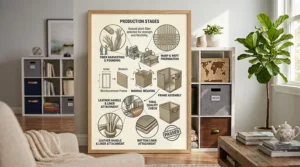
How to Choose a Cube Storage Organizer
- Measure your space first, not the product. A 4×4 cube grid needs real floor and wall clearance — know your dimensions before you fall for a photo.
- Match material to load. Solid wood and reinforced plastic handle books and electronics; wire and paperboard suit lighter, softer items.
- Decide open versus closed early. Open cubes show everything; closed cubes (with doors or bins) hide clutter but cost more per unit.
- Check the weight rating per cube, not just the total unit. A 275-pound total capacity spread across nine cubes is very different from 50 pounds per cube.
- Consider expandability. Linkable systems like TomCare or Cubeicals let you grow your storage without replacing what you already own.
- Read aggregated review themes, not star ratings alone. A 4.5-star product with recurring complaints about a specific flaw matters more than the number itself.
- Confirm return policy before assembly. Once panels are connected with adhesive or hardware, some retailers won’t accept returns.
Common Mistakes When Buying a Cube Storage Organizer
The most frequent misstep is buying based on total cube count alone without checking individual cube dimensions — a “12-cube” unit with small openings can hold less than a “6-cube” unit with larger compartments. Another common error is ignoring the material’s real-world durability tradeoffs: buyers drawn to the lightest, cheapest option often discover months later that it can’t handle the load they actually needed. Finally, many shoppers skip reading the assembly requirements closely, then get frustrated when a “tool-free” listing still asks for a rubber mallet or a second set of hands for larger configurations.
Cube Storage vs. Traditional Bookcases and Cabinets
Traditional bookcases and cabinets are built around fixed shelf heights and closed cabinetry, which works well if your storage needs never change — but most people’s needs shift constantly as hobbies, kids, and living situations evolve. A cube organizer’s core advantage is that modular storage grid: you can add bins, swap door panels, or link additional units without buying an entirely new piece of furniture. The tradeoff is that cube systems generally offer less enclosed, dust-free storage than a traditional cabinet with solid doors, so items you want fully hidden and protected — off-season clothing, sentimental keepsakes — may still be better served by a dedicated closet system or dresser.
Cube Storage Organizers for Renters and Small Spaces
Renters face a specific set of constraints traditional furniture doesn’t solve well: no permanent shelving, frequent moves, and a need to maximize vertical space without damaging walls. This is where a cube storage organizer genuinely shines as versatile organization — most models on this list require no wall mounting to function safely as freestanding units, and lightweight materials like wire or paperboard make moving day dramatically easier than hauling a solid dresser. For anyone in a studio apartment, stacking a smaller cube configuration vertically instead of spreading it horizontally can free up meaningful floor space while still delivering the same total storage volume.
Long-Term Cost and Maintenance
When comparing total cost of ownership, it’s worth thinking beyond the sticker price. A budget wire or plastic unit costs less upfront but may need replacing sooner if loaded beyond its rating, while a mid-range wood option like the ClosetMaid Cubeicals 6-Cube Storage Organizer typically holds up for years with minimal upkeep beyond occasional dusting. Premium picks like the Way Basics zBoard 6-Cube Organizer justify their higher entry price partly through a lifetime guarantee, which can make the effective cost-per-year lower than a cheaper unit you replace twice. Maintenance costs across this category are generally low — no cube organizer here requires ongoing parts, oiling, or professional servicing, which keeps long-term ownership costs modest regardless of which tier you choose.
Features That Actually Matter (And Those That Don’t)
Marketing copy loves to highlight cube count and color options, but the features that actually affect your day-to-day experience are per-cube weight rating, backer panel inclusion, and connector quality. A flashy finish photographs well, but it won’t stop a shelf from sagging under a stack of hardcovers. On the other hand, features like “over 8 color options” or decorative trim genuinely don’t matter much if your unit lives inside a closet — save the premium finish budget for pieces that will actually be visible in your living space.
Safety, Stability, and What to Know Before You Stack
Because cube organizers are freestanding and often stacked to significant heights, stability deserves real attention — especially in homes with young children. The U.S. Consumer Product Safety Commission has long recommended anchoring tall furniture like bookcases securely to the wall, and its long-running Anchor It! campaign provides free guidance on installing anti-tip hardware correctly. This applies just as much to a tall KALLAX-style unit or a stacked linkable system as it does to a traditional dresser — a loaded cube organizer has real mass, and an unanchored unit can tip if climbed on. Anchoring typically takes under fifteen minutes with an inexpensive bracket kit and is worth doing regardless of how sturdy a unit feels in the showroom.

Frequently Asked Questions
❓ How many cubes should a cube storage organizer have for a small bedroom?
❓ Can a cube bookcase double as a room divider?
❓ What's the safest way to stack a modular storage system?
❓ Do fabric bins fit any cube organizer?
❓ Is a customizable layout cube system worth the extra cost over a fixed shelf?
Conclusion
Choosing the right cube storage organizer really comes down to matching material and configuration to how you actually live — not just what looks good in a listing photo. If you move often, a lightweight modular pick like the TomCare 12-Cube Closet Organizer or Amazon Basics 6-Cube Wire Grid Organizer will serve you better than furniture-grade wood. If you’re furnishing a space for the long haul, the IKEA KALLAX Shelf Unit, ClosetMaid Cubeicals 6-Cube Storage Organizer, or Way Basics zBoard 6-Cube Organizer offer the durability and finish to justify their higher price tags.
Whichever direction you go, remember that versatile organization isn’t about buying the biggest unit available — it’s about buying the right cube count, material, and layout for the specific mess you’re actually trying to solve. Check current prices, read the specs on cube dimensions closely, and anchor anything tall to the wall before you load it up.
✨ Don’t Miss These Exclusive Deals!
🔍 Take your home organization to the next level with these carefully selected cube storage picks. Click on any highlighted item to check current pricing and availability. These modular systems will help you create the tidy, functional space your household actually needs!
Recommended for You
- Best Ladder Shelf 2026: 7 Picks That Won’t Wobble or Disappoint
- 7 Best Floating TV Stand Picks for 2026 (Wall-Mounted & Modern)
- Corner TV Stand: 7 Best Picks for 2026
Disclaimer: This article contains affiliate links. As an Amazon Associate, I earn from qualifying purchases. If you purchase products through these links, we may earn a small commission at no additional cost to you.
✨ Found this helpful? Share it with your friends! 💬🤗
