
In This Article
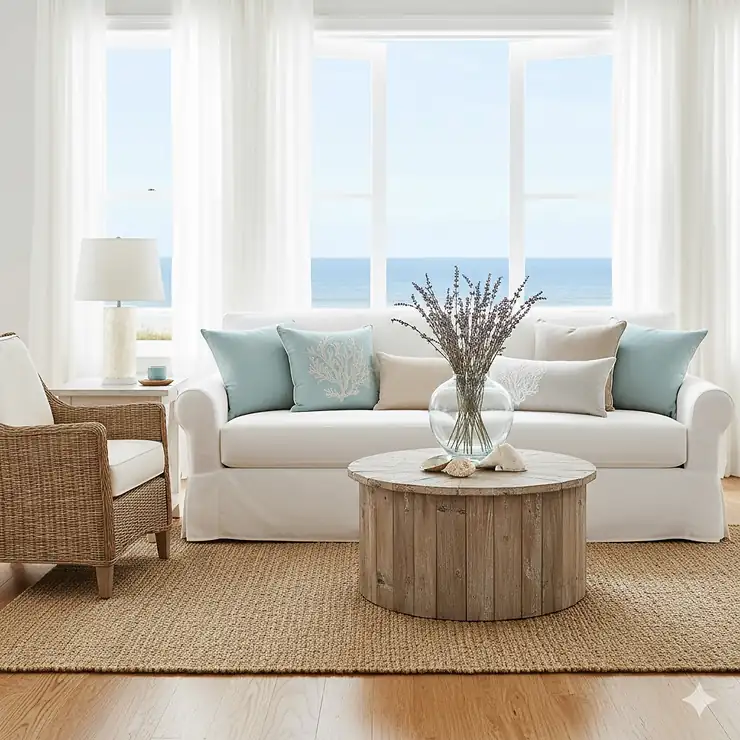
There’s something magical about walking into a room that makes you feel like you’re on permanent vacation. You know that feeling, right? That breezy, sun-kissed vibe where every piece whispers “relax” and beckons you to kick off your shoes. I’ve spent years perfecting coastal aesthetics, and honestly, it never gets old.
✨Was this helpful? Spread the word! 🚀
Creating a coastal living room furniture setup isn’t just about throwing some seashells on a coffee table and calling it a day. It’s an art form that balances natural textures, airy colors, and that effortlessly chic vibe that makes guests never want to leave. Whether you’re renovating a beachfront property or bringing ocean vibes to a landlocked apartment, the right furniture pieces can transform any space into a serene coastal retreat.
The coastal living furniture trend has evolved significantly in 2025. According to Houzz, contemporary coastal design now emphasizes sustainability, natural materials, and multi-functional pieces that work for modern lifestyles. We’re seeing less of the overly nautical themes and more sophisticated interpretations that capture the essence of coastal living without being too literal. Think weathered woods, soft linens, rattan accents, and that perfect palette of sandy neutrals with ocean-inspired blues.
In this comprehensive guide, I’ll walk you through the seven essential coastal living room furniture pieces that’ll completely transform your space, plus share real product recommendations, insider tips, and everything you need to know about creating your own coastal sanctuary. Let’s dive in! 🌊
Quick Comparison Table
| Furniture Type | Best For | Price Range | Key Feature |
|---|---|---|---|
| Coastal Sectional Sofa | Large families | $500-$1,500 | Modular & spacious |
| Slipcovered Sofa | Easy maintenance | $800-$2,000 | Washable covers |
| Rattan Coffee Table | Texture & style | $150-$400 | Natural materials |
| TV Console Stand | Entertainment | $90-$350 | Storage options |
| Wicker Accent Chair | Extra seating | $200-$600 | Lightweight & airy |
| Storage Ottoman | Versatility | $40-$250 | Hidden storage |
| Side Table | Functionality | $50-$200 | Compact design |
💬 Just one click – help others make better buying decisions too!😊
🛒 Ready to Shop Smart?
The products featured below are carefully researched and available right now. Each one brings authentic coastal charm to your living space. Click any highlighted item to check current prices and customer reviews! ✨
Top 7 Coastal Living Room Furniture Pieces: Expert Analysis
1. HONBAY Convertible Sectional Sofa
The HONBAY Convertible Sectional Sofa is hands down one of the smartest investments for coastal-themed living rooms. This modular beauty comes in multiple configurations, typically featuring an L-shaped design with reversible chaise options. What sets it apart? The versatility is unmatched.
Key Specifications:
✅ Dimensions: 78.5″L x 30.3″W x 35″H
✅ Weight capacity: 660 lbs
✅ Material: Linen fabric with polyester filling
✅ Assembly: Tool-free, approximately 20 minutes
Price Range: $350-$700 depending on configuration
Customers consistently praise this sectional for its space-saving design and surprising comfort level. One reviewer mentioned, “Perfect for small apartments—the chaise can flip to either side, which saved my room layout.” The light grey and beige options work beautifully with coastal color schemes, while the firm cushions prevent that saggy look many budget sofas develop over time.
Pros:
✅ Easy 20-minute assembly
✅ Reversible chaise configuration
✅ Storage ottoman included in some models
Cons:
❌ Cushions are on the firmer side
❌ Limited color options
The HONBAY Convertible Sectional Sofa truly shines in coastal settings because of its clean lines and neutral fabric choices. It’s available through major retailers, and the modular design means you can expand or reconfigure as your needs change. For growing families or those who love hosting, this is your go-to piece.
2. Sauder North Avenue TV Stand
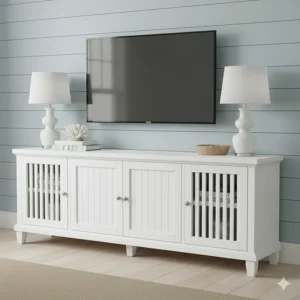
Every coastal living room needs proper entertainment storage, and the Sauder North Avenue TV Stand delivers that industrial-coastal fusion that’s trending in 2025. This stand brings together warm wood tones with black metal framing—a combination that feels both modern and beachy.
Key Specifications:
✅ Accommodates TVs up to 36-42 inches
✅ Two open shelves for equipment
✅ Charter Oak finish with powder-coated metal frame
✅ Dimensions: Multiple sizes available
Price Range: $94-$164
The Charter Oak finish has that sun-bleached quality perfect for coastal aesthetics. According to customer feedback, assembly takes just 20-30 minutes with clear instructions. The Sauder North Avenue TV Stand is particularly praised for its solid construction despite the budget-friendly price point.
Pros:
✅ Quick assembly (20 minutes)
✅ Finished on all sides
✅ Lightweight yet sturdy
Cons:
❌ Limited to smaller TVs
❌ Metal frame may scratch easily
I love how this piece works equally well in a beach cottage or a city apartment. The open shelving keeps everything accessible while maintaining that airy, uncluttered look essential to coastal design. Plus, at under $100 for the basic model, it’s an absolute steal.
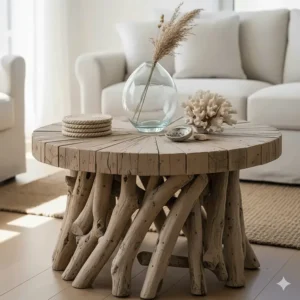
3. Natural Wicker Round Coffee Table
A wicker or rattan coffee table is practically mandatory in coastal living furniture schemes, and 2025’s options are better than ever. These tables bring instant texture and that relaxed, tropical vibe that defines the style.
Key Features:
✅ Hand-woven rattan or wicker construction
✅ Typically 32-34 inches in diameter
✅ Drum or two-tier designs available
✅ Natural brown or white-washed finishes
Price Range: $150-$400
According to Wayfair’s coastal furniture trends, round wicker coffee tables have become the centerpiece choice for modern coastal rooms. The circular shape promotes better conversation flow and prevents the sharp corners that feel too formal.
Pros:
✅ Adds instant texture
✅ Lightweight and moveable
✅ Never goes out of style
Cons:
❌ Can be difficult to clean
❌ May require occasional tightening
Look for tables with a protective glass top if you have kids—it’ll save you countless coaster reminders. The natural variations in rattan weaving mean each piece is unique, adding to that authentic, handcrafted coastal feel.
4. Slipcovered Coastal Sofa (Various Brands)
If there’s one piece that screams “coastal chic,” it’s a white or natural linen slipcovered sofa. These sofas are the backbone of living room coastal furniture aesthetics, offering that perfect blend of casual elegance and practicality.
Key Features:
✅ Machine-washable slipcovers
✅ Deep seat cushions
✅ Reversible cushions
✅ Available in white, beige, or soft blue
Price Range: $800-$2,000
The beauty of slipcovered sofas lies in their maintenance. According to customer reviews on major retailers, being able to throw those covers in the wash after beach days or pet accidents is invaluable. The deep seats (typically 24-28 inches) let you really sink in with a good book or movie.
Pros:
✅ Easy to clean
✅ Casual, relaxed aesthetic
✅ Versatile styling options
Cons:
❌ Covers may wrinkle
❌ Higher price point
Many coastal homeowners keep backup slipcovers in different colors, switching between crisp white for summer and warm beige for cooler months. This flexibility makes slipcover sofas a smart long-term investment.
5. Rattan Accent Chairs with Cushions
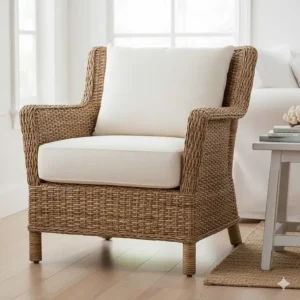
Rattan Accent Chairs are the unsung heroes of coastal living room furniture arrangements. They provide extra seating without visual weight, maintaining that airy, open feeling crucial to the style. These chairs work beautifully flanking a fireplace, in room corners, or paired with a small side table for a reading nook.
Key Specifications:
✅ Weight capacity: 300-330 lbs
✅ Natural rattan or wicker frame
✅ Includes seat and back cushions
✅ Multiple styles: barrel, papasan, wing-back
Price Range: $200-$600
Customer reviews consistently highlight the durability and comfort of quality rattan chairs. One buyer noted, “I was skeptical about comfort, but the cushions are thick enough for hours of reading.” The open weave design allows air circulation—perfect for warmer climates.
Pros:
✅ Visually light appearance
✅ Strong and durable
✅ Natural material aesthetic
Cons:
❌ Cushions sold separately sometimes
❌ Can feel less formal
Look for chairs with removable, washable cushion covers in coastal colors like soft coral, seafoam green, or classic navy striped patterns. These accent pieces tie together your entire coastal living furniture scheme.
6. Nathan James Payton Storage Ottoman
The Nathan James Payton Storage Ottoman represents everything great about modern coastal living room furniture: it’s functional, attractive, and surprisingly affordable. This cube-style ottoman serves triple duty as seating, storage, and an impromptu coffee table.
Key Specifications:
✅ Dimensions: 15″H x 15″W x 15″D
✅ Weight capacity: 300 lbs
✅ Beige or grey polyester fabric
✅ Gold nailhead trim detailing
Price Range: $40-$60
At this price point, you can afford to buy multiples for different rooms or tuck extras in a closet for when guests visit. According to Amazon reviews, customers appreciate the dual-top design—flip it over for a solid wood surface perfect for drinks and snacks. The Nathan James Payton Storage Ottoman folds completely flat when not needed, making it ideal for small-space living.
Pros:
✅ Extremely affordable
✅ Foldable for storage
✅ Dual-function top (cushion/tray)
Cons:
❌ Smaller size
❌ Basic aesthetic
The internal storage holds throw blankets, magazines, or toys—keeping your coastal space clutter-free. The neutral upholstery works with virtually any color scheme, and the nailhead trim adds just enough detail to feel special without overwhelming the minimalist coastal vibe.
7. Weathered Wood Side Tables
No coastal living room furniture collection is complete without the perfect side tables. In 2025, we’re seeing weathered wood designs dominate—pieces that look like they’ve been kissed by salt air and sun for decades. These tables bring warmth and functionality to any seating arrangement.
Key Features:
✅ Reclaimed or distressed wood finish
✅ Open shelving or drawer storage
✅ Typically 24-26 inches tall
✅ Round or square tops
Price Range: $80-$250
According to the National Wood Flooring Association, weathered and reclaimed wood pieces have grown 35% in popularity for coastal interiors. The aged appearance eliminates worries about new scratches or water rings—they just add to the character.
Pros:
✅ Fits any coastal style
✅ Hides wear and tear
✅ Provides essential storage
Cons:
❌ May require occasional refinishing
❌ Can be heavy
Look for tables with lower shelves perfect for displaying coastal coffee table books, candles, or decorative items. The natural wood grain contrasts beautifully with upholstered pieces while maintaining that organic, beachy feel.
Understanding Coastal Living Room Furniture Style
So what exactly makes furniture “coastal”? It’s not as simple as slapping an anchor on a throw pillow and calling it done. Authentic coastal living furniture embodies specific characteristics that create that signature relaxed-yet-refined atmosphere.
Core Elements of Coastal Design
The foundation of coastal style rests on natural materials and organic textures. We’re talking weathered woods, natural fibers like jute and sisal, linen and cotton fabrics, and woven elements such as rattan and wicker. These materials connect your indoor space with the outdoor environment—exactly what coastal design aims to achieve.
Color palettes draw inspiration directly from beach landscapes. Think soft neutrals mimicking sand and driftwood, crisp whites like seafoam, blues ranging from pale aqua to deep navy, and natural greens reminiscent of sea grass. According to Architectural Digest’s 2025 color trends, coastal interiors now embrace warmer neutrals over stark whites, creating more livable and inviting spaces.
Furniture silhouettes in coastal rooms tend toward clean lines and comfortable proportions. Nothing feels too heavy or ornate. Instead, pieces have an effortless quality—like they’ve always been there, weathering storms and sunny days with equal grace. Slipcovered sofas, cane-back chairs, and chunky wood tables all fit this aesthetic beautifully.
Modern Coastal vs. Traditional Nautical
Here’s where many people get confused: coastal and nautical are not the same thing! Traditional nautical style hits you over the head with literal ocean references—ship wheels, anchor motifs, sailor stripes everywhere. It can feel theme-park if overdone.
Modern coastal living furniture, by contrast, suggests the ocean through subtlety. You’ll find the same color inspiration, but applied with restraint. A throw pillow might feature a coral pattern rather than an anchor. Wood furniture shows natural weathering rather than being painted with fake “distressing.” The overall effect is sophisticated and timeless rather than trendy.
The contemporary approach to furniture living room coastal style also emphasizes comfort and livability. Beach houses aren’t just weekend getaways anymore—they’re primary residences or rental properties that need to withstand daily use. That means investing in quality upholstery, durable materials, and functional storage solutions rather than purely decorative pieces.

Choosing the Right Materials for Coastal Furniture
Materials make or break coastal living room furniture. Choose wisely, and your pieces will age gracefully while maintaining that beachy appeal. Choose poorly, and you’ll be replacing water-damaged wood or faded fabrics sooner than you’d like.
Best Fabrics for Coastal Upholstery
Linen reigns supreme in coastal interiors. This natural fabric has a relaxed texture that softens beautifully over time. Yes, it wrinkles—but that’s part of its charm. The slight imperfection aligns perfectly with coastal’s lived-in aesthetic. Look for heavier-weight linens (8-10 oz) for furniture that’ll withstand regular use.
Cotton and cotton blends offer similar benefits with easier care. Outdoor-rated fabrics like Sunbrella have revolutionized coastal furniture by providing fade-resistant, moisture-repellent options that look and feel like natural materials. These perform-ance fabrics are game-changers for high-traffic areas or homes with kids and pets.
Avoid delicate materials like silk or velvet in coastal rooms. They don’t match the casual vibe and won’t hold up well in humid or high-traffic environments. Similarly, leather—while beautiful—can be tricky near beaches where sand and salt accelerate wear. If you love leather, opt for distressed styles that hide imperfections.
Wood Types and Finishes
Teak has long been the gold standard for coastal furniture, especially for pieces that might encounter moisture. Its natural oils make it incredibly water-resistant. However, teak’s price point has skyrocketed in recent years, leading designers to explore alternatives.
Acacia wood offers similar durability at a fraction of the cost. It accepts stains beautifully and develops a lovely patina over time. Pine, especially reclaimed or weathered pine, brings that driftwood aesthetic everyone loves. According to This Old House, properly sealed pine can last decades in coastal environments.
For finishes, embrace lighter stains or weathered effects rather than dark, glossy treatments. White-washed, pickled, or cerused finishes all work wonderfully in coastal living furniture schemes. These treatments enhance the wood’s natural grain while keeping the overall look bright and airy.
Wicker, Rattan, and Natural Fibers
Don’t confuse these terms—they’re different materials with distinct properties! Rattan is a solid vine that’s steamed and bent into furniture frames. It’s incredibly strong and typically used for structural elements. Wicker, on the other hand, refers to the weaving technique used with various materials including rattan, reed, bamboo, or synthetic fibers.
For indoor furniture living room coastal setups, natural rattan and wicker work beautifully. They add instant texture and visual interest. However, they do require some maintenance. Dust regularly with a soft brush, and occasionally wipe with a damp cloth. Avoid excessive moisture, which can cause natural fibers to mold or deteriorate.
Synthetic wicker has improved dramatically in recent years. High-quality resin wicker mimics natural materials while offering superior weather resistance. This makes it perfect for sunrooms, covered porches, or coastal areas with high humidity. The tradeoff? It lacks the authentic texture and variation of natural materials.
Color Palettes for Coastal Living Rooms
Getting the colors right is crucial when designing with coastal living room furniture. The palette sets the entire mood, transforming ordinary pieces into a cohesive coastal sanctuary. Let me break down the most effective color strategies for 2025.
Classic Coastal: Blues and Whites
You can’t go wrong with the timeless combination of blues and whites. This palette evokes clear skies meeting ocean waves—instantly recognizable as coastal style. However, the key is choosing the right shades and proportions.
Start with white as your foundation. Soft white or warm white (not stark brilliant white) on walls creates an airy canvas. Then layer in blues through coastal living room furniture and accessories. Navy adds depth and grounds the space, preventing it from feeling too ethereal. Soft powder blue or seafoam introduces that gentle, calming quality. Aqua or turquoise provides energizing pops of color.
Balance is everything. Too much white feels clinical, not coastal. Too much blue can overwhelm and darken the space. Aim for roughly 60% neutrals, 30% your primary blue shade, and 10% accent colors. This proportion creates visual interest while maintaining coherence.
Neutral Coastal: Sands and Naturals
The neutral coastal palette has surged in popularity because it’s timeless, versatile, and incredibly soothing. Think warm beiges, soft taupes, creamy ivories, and all those beautiful sandy shades. This approach to furniture living room coastal style creates a sophisticated, spa-like atmosphere.
Texture becomes especially important in neutral schemes since you’re not relying on color contrast. That’s where your coastal living room furniture materials shine. A nubby linen sofa, smooth driftwood coffee table, and chunky jute rug create visual interest through varied textures rather than competing colors.
Layer different shades of the same color family to add depth. For example, pair a light cream sofa with taupe throw pillows, beige curtains, and warm white walls. These subtle variations prevent the monotone look from feeling flat or boring. Add interest with natural wood tones, woven baskets, and organic shapes.
Accent Colors That Work
Even the most neutral coastal living furniture schemes benefit from carefully chosen accent colors. Coral adds warmth and energy without being overpowering. Sage green brings in natural elements and pairs beautifully with blues or neutrals. Sunny yellow, used sparingly, injects cheerfulness and evokes beach sunshine.
The rule with accent colors? Less is more. You want pops, not splashes. A coral throw pillow on the sofa, a sage green plant stand, yellow-striped tea towels in an adjacent kitchen—these touches enliven the space without overwhelming the calm coastal vibe. According to color psychology research, these warm accent colors in predominantly cool or neutral spaces create the perfect balance for relaxation while preventing sedation.
Black might seem contradictory to coastal style, but it works beautifully in small doses. Black picture frames, lamp bases, or metal accents ground the space and add sophisticated edge. The key is using it strategically as a grounding element rather than a dominant color.
Layout Tips for Coastal Living Rooms
Great coastal living room furniture means nothing if the layout doesn’t work. The arrangement of your pieces dramatically impacts how the space feels and functions. Let me share some proven strategies for creating that perfect flow.
Maximizing Natural Light
Coastal style is all about brightness and airiness, so furniture placement should enhance rather than block natural light. Start by identifying your room’s primary light sources—windows, glass doors, skylights. Never place tall furniture directly in front of windows. That gorgeous seaside-inspired console? Perfect under a window, not blocking it.
Arrange your main seating (sofa or sectional) perpendicular to windows rather than facing them. This allows light to wash over the furniture and throughout the room while preventing glare on TV screens or device screens. Coffee tables with glass tops or open bases let light pass through, maintaining that flowing, unobstructed feel.
For rooms with limited natural light, use mirrors strategically. Position a large mirror across from your brightest window to reflect light throughout the space. Choose coastal living room furniture in lighter finishes to maximize brightness. Dark wood pieces, while beautiful, absorb light and can make spaces feel closed-in—the opposite of what coastal style aims to achieve.
Creating Conversation Areas
The best coastal living furniture arrangements facilitate easy conversation and connection. Start with your sofa as the anchor piece. Position it to face the room’s focal point—usually a fireplace, entertainment center, or great view. Then add supplementary seating (accent chairs, loveseat, or additional sectional) at angles that create an intimate grouping.
Coffee tables should sit about 14-18 inches from the sofa—close enough to reach comfortably, far enough that people can move around easily. For larger rooms, consider two smaller seating arrangements instead of one massive one. This works especially well in open-concept spaces where the living room flows into dining or kitchen areas.
Side tables are essential in coastal living room furniture layouts. Every seat should have a table within arm’s reach for drinks, books, or devices. However, avoid matching pairs of everything—that symmetry feels too formal and rigid for coastal style. Mix materials and heights for a more collected, relaxed appearance.
Traffic Flow Considerations
Nobody thinks about traffic flow until it’s problematic. Then suddenly you’re constantly squeezing past furniture or taking circuitous routes to reach the kitchen. The rule of thumb: maintain 30-36 inches of clearance for main pathways through the room. That’s enough space for two people to pass each other comfortably.
For areas where only one person typically walks (like between the sofa and wall), you can reduce clearance to 24 inches. Just ensure you’re not creating dead zones where furniture sits unused because it’s too difficult to access. Coastal living furniture should feel inviting and accessible, not like an obstacle course.
If your room serves multiple functions, zone it effectively. Use your furniture living room coastal pieces to define different areas—seating zone, entertainment zone, workspace zone. An open bookshelf or console table can act as a room divider without blocking light or sightlines. This creates structure while maintaining the open, flowing quality essential to coastal style.

Maintenance and Care for Coastal Furniture
Your beautiful coastal living room furniture deserves proper care to maintain its appeal for years. Salt air, humidity, and sand create unique challenges, but with the right approach, your pieces will age gracefully rather than deteriorate.
Protecting Against Humidity
Humidity is coastal furniture’s biggest enemy. Excessive moisture causes wood to swell and warp, metal to rust, and fabrics to develop mildew. In coastal areas, invest in a good dehumidifier—keeping humidity between 30-50% is ideal. Use moisture-absorbing products like silica gel packets in storage areas or closed cabinets.
For wooden coastal living furniture, apply protective sealants or wax finishes that create moisture barriers. Reapply these treatments annually or as recommended by manufacturers. Avoid placing furniture directly against exterior walls where condensation is more likely. Leave a few inches of space for air circulation.
Upholstered pieces benefit from periodic airing out. If possible, place cushions in sunshine (not too long—you don’t want fading) to kill bacteria and remove musty odors. Use waterproof covers on expensive furniture if your coastal home sits vacant for extended periods. Mold and mildew can establish quickly in unventilated spaces with high humidity.
Cleaning Different Materials
Linen and cotton upholstery on coastal living furniture should be vacuumed weekly to remove sand and dust before they work into the fibers. For stains, address them immediately—blot, never rub. Many modern coastal living room furniture pieces feature removable, machine-washable covers. Use gentle, color-safe detergent and line dry to prevent shrinkage.
Wicker and rattan need regular dusting with a soft brush or cloth. For deeper cleaning, wipe with a cloth dampened in mild soap and water, then dry thoroughly. Never saturate natural fibers. If outdoor pieces get rained on, allow them to dry completely before using to prevent mildew growth. Synthetic wicker can be hosed down and dries quickly.
Wood furniture benefits from regular dusting and occasional treatment with quality furniture polish or oil (depending on the finish). For weathered or distressed finishes common in furniture living room coastal style, sometimes just a damp cloth is sufficient. Avoid harsh chemical cleaners that strip protective finishes or alter carefully crafted patinas.
Dealing with Salt Air Exposure
If you live right on the coast, salt air poses special challenges. Salt accelerates corrosion of metal components and can dull finishes on wood. Wipe down metal frames on your coastal living room furniture regularly with fresh water to remove salt deposits. Apply protectant sprays designed for marine environments.
For wood pieces, consider applying marine-grade varnish or sealant—the same products used on boat decks. These provide superior protection against salt damage. Glass and mirrors should be cleaned frequently as salt deposits can etch surfaces over time. Use vinegar solutions to remove stubborn salt residue without harsh chemicals.
Outdoor cushions and fabrics designed for coastal environments should still be brought inside during storms or extended periods of non-use. Even the best outdoor fabrics deteriorate faster in harsh conditions. When shopping for coastal living furniture, look specifically for pieces rated for coastal or marine environments if you’re in a harsh salt-air location.
Budget-Friendly Coastal Furniture Solutions
Creating beautiful coastal living room furniture arrangements doesn’t require a vacation-home budget. With smart shopping and creative thinking, you can achieve that coveted beachy vibe without breaking the bank. Let me share strategies that work.
Mixing High and Low
The key to budget-friendly coastal design? Invest in a few high-quality anchor pieces and surround them with affordable accents. Splurge on your sofa—it’s the largest piece and most important for comfort. Then fill in with budget-friendly side tables, lamps, and décor items.
Amazon has become surprisingly robust for coastal living furniture options. Brands like HONBAY offer sectionals at a fraction of big-box prices without sacrificing too much quality. These pieces won’t last twenty years, but they’ll give you five to seven years of good service—perfect for renters or those who like updating their style.
Mix and match brands fearlessly. That expensive rattan accent chair looks amazing next to a budget coffee table if the styles complement each other. Shop end-of-season sales at major retailers. Coastal furniture often goes on clearance in fall when stores make room for holiday inventory—that’s when you pounce.
DIY Coastal Transformations
Some of the best coastal living room furniture pieces are DIYed from thrift finds or plain-Jane basics. A simple wood coffee table becomes coastal-chic with chalk paint in a seafoam blue, followed by light sanding for a weathered effect. Total cost? Maybe $30 for paint and supplies.
Slipcovers transform outdated upholstered pieces into fresh coastal seating. Companies like Comfort Works or IKEA offer replacement covers that completely change a piece’s look. Alternatively, learn basic sewing skills and make your own from linen or canvas drop cloths—they’re much cheaper than upholstery-grade fabrics and develop a beautiful lived-in appearance.
Paint is your cheapest transformation tool. That dated wood entertainment center can become gorgeous furniture living room coastal style with white paint and new hardware. Sand lightly between coats for durability, and don’t stress about perfection—the slightly imperfect finish actually enhances the casual coastal vibe.
Smart Shopping Strategies
Timing matters when shopping for coastal living furniture. January and July are traditional furniture sale months when retailers clear inventory. Black Friday through Cyber Monday offers genuine deals if you’ve researched prices beforehand. Sign up for email lists from your favorite retailers—many send exclusive discounts to subscribers.
Consider floor models and returned items. Many furniture stores sell display pieces at significant markdowns. These pieces have been gently handled but are essentially new. Similarly, open-box or returned items from Amazon or other retailers often work perfectly but sell at 20-40% discounts because packaging was opened.
Don’t overlook secondhand options for certain pieces. Solid wood side tables, vintage rattan chairs, and quality case goods (dressers, consoles) often cost pennies on the dollar at estate sales or consignment shops. You can refresh these finds with cleaning and minor repairs, creating unique coastal living room furniture at a fraction of retail prices. Plus, vintage pieces add authentic character impossible to replicate with new furniture.
Seasonal Styling of Coastal Furniture
One of the joys of coastal living room furniture is its incredible versatility. The foundation pieces remain constant, but seasonal styling keeps the space feeling fresh and current. Let me show you how to adapt your coastal look throughout the year.
Summer: Full Beach Mode
Summer is when coastal style shines brightest. Lighten up your furniture living room coastal spaces with white or cream slipcovers if you have them. Swap heavier throw pillows for crisp cotton or linen in whites, soft blues, and coral. Replace winter throw blankets with lightweight cotton or linen ones in cheerful patterns.
Bring in natural elements: fill vases with fresh flowers, display bowls of shells or sea glass, add a bowl of lemons or limes for subtle fragrance. Open up the space by removing unnecessary accessories and keeping surfaces mostly bare. Summer coastal style embraces minimalism and breeziness.
Consider moving some coastal living room furniture outdoors if you have the space. A weather-resistant coffee table or side table extends your living area to a patio or deck, perfect for entertaining. Just make sure pieces are truly outdoor-rated or bring them in during harsh weather.
Fall and Winter: Cozy Coastal
When temperatures drop, coastal living furniture gets cozier without losing its essence. Layer in warmer textures: chunky knit throws in cream or grey, faux fur pillows, heavier weight linen curtains. Shift the color palette toward warmer neutrals—think caramel, taupe, and soft greens rather than cool blues.
Add warmth through lighting. Swap bright white bulbs for soft white or warm white to create a cozier ambiance. Candles in hurricane lanterns or glass containers add both light and that flickering warmth that makes spaces feel lived-in and welcoming. Choose scents that complement coastal style—fresh cotton, sea salt, driftwood.
Don’t abandon coastal themes entirely. Keep your core furniture living room coastal pieces and foundation colors but adjust accessories. A navy wool throw looks as coastal as a light blue cotton one—just better suited to snuggling during winter storms. Weathered wood pieces gain even more character when paired with cozy textiles.
Holiday Coastal Decorating
Holidays offer fun opportunities to merge coastal style with seasonal celebrations. For Christmas, skip traditional red and green in favor of coastal holiday palettes: navy and white, silver and ice blue, or natural with pops of cranberry. Decorate your coastal living room furniture with beach-inspired ornaments: starfish tree toppers, seashell garlands, driftwood candle holders.
Thanksgiving coastal style emphasizes natural elements: wheat stalks, dried hydrangeas, pumpkins in white or soft blue instead of traditional orange. These work beautifully on coffee tables, mantels, or as dining table centerpieces. The key is keeping decorations in your coastal color scheme rather than switching to traditional holiday palettes.
Even Fourth of July can be done coastal-style without looking theme-park. Navy and white striped pillows, red coral accents, and fresh white flowers in simple glass vases celebrate the holiday while complementing your coastal living furniture. After the holiday, simply remove the red elements and you’re back to everyday coastal style.
Common Mistakes to Avoid
After years of designing coastal spaces, I’ve seen the same mistakes repeatedly. Learning from others’ errors saves you time, money, and frustration. Here are the biggest coastal living room furniture pitfalls to avoid.
Overdoing the Nautical Theme
The fastest way to ruin coastal style? Going overboard with literal nautical elements. One anchor is interesting. Five anchors are tacky. Your coastal living furniture should suggest the ocean through materials, colors, and textures—not announce it with novelty props.
Quality coastal design is subtle and sophisticated. Choose one or two clearly nautical elements as focal points if you must include them. Then let everything else suggest coastal life more abstractly. A beautiful piece of coral is more elegant than a sign saying “Welcome to the Beach.” Trust your furniture living room coastal pieces to set the tone rather than relying on obvious décor.
This mistake extends to color choices too. All-blue rooms feel more like swimming pools than coastal retreats. Balance cool blues with warm neutrals. Incorporate natural wood tones. The goal is evoking the beach, not recreating it literally.
Choosing Impractical Pieces
Yes, that all-white slipcovered sofa is gorgeous, but is it practical for your household? Coastal living room furniture should be livable, not precious. If you have kids, pets, or clumsy friends (we all have that one friend), consider the maintenance requirements of each piece before buying.
Performance fabrics have revolutionized coastal style, offering easy-clean options that look like natural fibers. Don’t sacrifice the aesthetic you love because of practicality concerns—just make smarter material choices. Similarly, glass-topped coffee tables look beachy but become fingerprint-covered nightmares with kids around.
Fragile wicker or delicate rattan pieces might not survive high-traffic areas or homes with large dogs. Consider durability ratings and customer reviews about real-world use. That beautiful furniture living room coastal piece matters little if it’s destroyed within months.
Ignoring Scale and Proportion
Perhaps the most common mistake is choosing coastal living furniture that doesn’t fit the room properly. Oversized sectionals overwhelm small spaces, making them feel cramped rather than cozy. Too-small furniture in large rooms creates an awkward, unfinished look.
Measure everything before buying. Know your room dimensions, ceiling height, doorway widths (can that sofa actually make it through?), and the size of existing pieces. Most retailers provide detailed dimensions—use them! In general, leave 30-36 inches for walking paths and 14-18 inches between coffee tables and seating.
Proportion matters beyond just size. A delicate rattan chair looks odd next to a massive overstuffed sectional. Chunky furniture pieces need substantial accessories to balance them. Consider visual weight, not just physical size, when planning your furniture living room coastal arrangements.
Sustainable and Eco-Friendly Coastal Furniture
Modern coastal living room furniture increasingly emphasizes sustainability—fitting since coastal regions are particularly vulnerable to environmental degradation. Making eco-conscious choices helps protect the very environments that inspire this aesthetic.
Responsibly Sourced Materials
Look for coastal living furniture made from FSC-certified wood, indicating responsible forestry practices. Bamboo and rattan, when harvested sustainably, are excellent renewable options that naturally fit coastal aesthetics. These fast-growing materials can be harvested without destroying ecosystems, unlike old-growth teak from clear-cut forests.
Reclaimed wood is the most sustainable choice. These pieces prevent usable material from ending in landfills while creating furniture with authentic weathered character. Barn wood, shipping pallets (properly treated), or wood from demolished buildings all create beautiful furniture living room coastal pieces with minimal environmental impact.
For upholstery, seek organic cotton, linen from flax, or recycled polyester fabrics. Several companies now produce convincing outdoor fabrics from recycled plastic bottles. These perform beautifully in coastal environments while reducing plastic waste—a win-win for ocean conservation.
Durability Over Disposability
The most sustainable coastal living room furniture is that which lasts. Fast furniture (the furniture equivalent of fast fashion) creates enormous waste streams. Those ultra-cheap pieces might save money initially but often need replacing within a few years.
Invest in quality construction: solid wood frames, eight-way hand-tied springs in upholstery, reinforced joinery. These pieces cost more upfront but amortize over decades of use. A well-built sofa can be reupholstered multiple times, effectively creating a new piece without the environmental cost of manufacturing from scratch.
Consider modular furniture living room coastal options that adapt as your needs change. Sectionals with interchangeable components, expandable tables, or multi-functional pieces reduce the need for complete furniture overhauls when circumstances change. This flexibility extends furniture lifespan significantly.
Supporting Ethical Manufacturers
Research brands before buying. Many companies now publish sustainability reports detailing their environmental and labor practices. Look for coastal living furniture from manufacturers that use low-VOC finishes, minimize packaging waste, and ensure fair labor conditions.
Small-scale artisan furniture makers often employ more sustainable practices than mass manufacturers. While their products may cost more, you’re supporting craftsmanship and typically getting superior quality. These pieces become heirlooms rather than disposables—the ultimate sustainability.
When possible, buy locally made furniture living room coastal pieces. This reduces transportation carbon footprints and supports local economies. Many coastal regions have talented furniture makers creating pieces perfectly suited to local climates and aesthetics. Even if you pay slightly more, you’re investing in your community while getting furniture designed for your specific conditions.
FAQ Section
❓ How much should I expect to spend on coastal living room furniture?
❓ What's the difference between coastal and beach house furniture styles?
❓ Can coastal living room furniture work in non-coastal locations?
❓ How do I maintain white or light-colored coastal furniture with kids and pets?
❓ What furniture pieces are essential for starting a coastal living room?
Conclusion
Creating the perfect coastal living room furniture arrangement is both an art and a science. It’s about balancing aesthetics with functionality, investing in quality pieces that will last while staying within budget, and most importantly, creating a space that makes you feel relaxed and happy every single day.
Throughout this guide, we’ve explored everything from specific product recommendations like the versatile HONBAY Convertible Sectional Sofa and practical Sauder North Avenue TV Stand to broader concepts like color theory, material selection, and layout strategies. The common thread? Coastal style succeeds when it feels effortless and authentic.
Remember, your coastal living room furniture should serve your lifestyle first and aesthetics second. There’s no point in a pristine white sofa if you’re constantly stressed about stains, just as the most beautiful rattan chair fails if it’s uncomfortable for actual sitting. The beauty of furniture living room coastal style lies in its inherent livability—these pieces are meant to be used, enjoyed, and lived with.
Start with your anchor pieces: a quality sofa or sectional, a coffee table that balances function and style, and storage solutions that keep clutter at bay. Build from there gradually, allowing your personal style to inform choices. The best coastal rooms develop over time, accumulating pieces that tell stories and reflect the people who live there.
Don’t be afraid to break “rules” if something works for your space. Design guidelines exist to help, not constrain. If you love a piece that doesn’t fit traditional coastal living room furniture conventions, but it makes you smile every time you see it—that’s all that matters. Your home should reflect you, not some idealized magazine spread.
As you embark on creating your coastal sanctuary, keep practicality, sustainability, and personal joy at the forefront. Choose durable materials, invest in pieces that will last, and don’t sacrifice comfort for aesthetics. The best coastal rooms feel like permanent vacations—comfortable, welcoming, and utterly relaxing.
🛒 Transform Your Space Today!
Ready to bring coastal vibes home? The products featured in this guide are available now. Start with your anchor piece—whether that’s a versatile sectional or a statement coffee table—and build your dream room from there. Your coastal sanctuary awaits! ✨🌊
Recommended for You
- Rustic Living Room Furniture: 7 Stunning Pieces for 2025
- Farmhouse Living Room Furniture: Best 7 Cozy Picks for 2025
- 7 Best Washable Sectional Sofa Options in 2025 (Reviews)
Disclaimer: This article contains affiliate links. If you purchase products through these links, we may earn a small commission at no additional cost to you.
✨ Found this helpful? Share it with your friends! 💬🤗
